Former President Donald Trump has vowed to block the sale of Chinese electric vehicles (EVs) manufactured in Mexico from entering the U.S. market, signaling a new front in his ongoing economic and political campaign against China. Speaking at a rally in Ohio on Saturday, Trump outlined his plan to protect American jobs and industries from what he described as unfair competition.
In his speech, Trump accused China of leveraging Mexico’s trade agreements with the United States to circumvent tariffs and flood the American market with low-cost EVs. “We cannot allow China to exploit our neighbor and take advantage of our trade policies,” Trump declared. “We will stop Chinese EVs made in Mexico from destroying our auto industry and costing American workers their jobs.”
This statement comes amid growing tensions between the U.S. and China over trade practices, technology theft, and market dominance. During his presidency, Trump imposed numerous tariffs on Chinese goods and initiated a trade war aimed at reducing the U.S. trade deficit and protecting domestic industries. His latest comments suggest a continuation of these protectionist policies, focusing specifically on the burgeoning EV sector.

The EV market has seen significant growth, with several Chinese manufacturers emerging as key players. By establishing production facilities in Mexico, these companies can benefit from lower labor costs and favorable trade terms under the United States-Mexico-Canada Agreement (USMCA). This strategy allows them to offer competitively priced EVs to American consumers, potentially undermining U.S.-based manufacturers.
American auto industry leaders have expressed mixed reactions to Trump’s proposal. While some support measures to protect domestic production, others warn that restricting market access could lead to higher prices for consumers and slow the adoption of environmentally friendly technologies.
Trump’s announcement has elicited varied responses from political figures. Republican lawmakers generally applauded the move, aligning with Trump’s broader economic nationalism and emphasis on American job protection. “We need to prioritize American workers and industries,” said Senator Lindsey Graham. “This is a step in the right direction.”
Conversely, Democrats and free-trade advocates criticized the plan, arguing that it could provoke retaliatory measures from trading partners and harm diplomatic relations. “This kind of rhetoric risks a trade war that could damage our economy and hurt consumers,” stated Senator Elizabeth Warren. “We should focus on fostering innovation and competition rather than resorting to protectionism.”
Implementing a ban on EV imports based on their country of origin poses significant legal challenges. Such a move could violate USMCA provisions and World Trade Organization (WTO) rules, leading to potential disputes and sanctions. Trade experts suggest that the U.S. could face retaliation not only from China but also from Mexico, complicating international relations and trade dynamics.
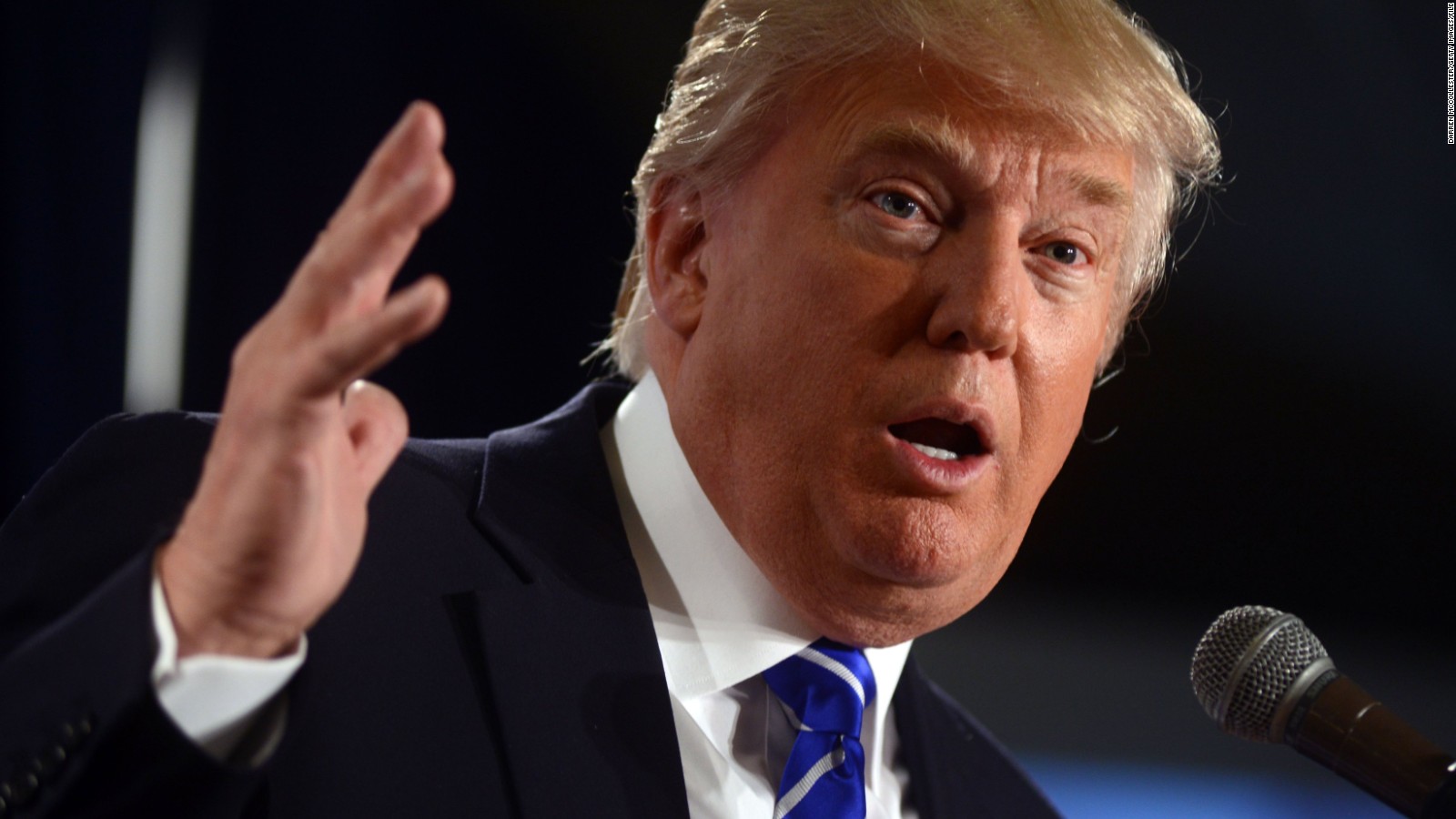
As Trump continues to campaign for the 2024 presidential election, his stance on Chinese EVs reflects a broader strategy to appeal to voters concerned about economic security and job preservation. The proposal also underscores ongoing debates about the balance between free trade and protectionism in shaping America’s economic future.
For now, the future of Chinese-made EVs in the U.S. market remains uncertain. Stakeholders across the political and economic spectrum will be closely watching the developments, as the implications of this policy could resonate far beyond the automotive industry.
As the debate unfolds, one thing is clear: the intersection of trade, technology, and national security will continue to be a contentious and pivotal issue in American politics.