Microsoft Corporation, one of the world’s leading technology giants, is facing a wave of criticism following recent security breaches that have raised serious concerns about the company’s focus on artificial intelligence at the expense of cybersecurity. In response, Microsoft has announced a significant strategic shift, pledging to prioritize security over its ambitious AI initiatives.
The company’s decision comes in the wake of several high-profile cyberattacks targeting its software, resulting in data breaches that compromised sensitive information of both individual and corporate users. The most notable incident involved a sophisticated hacking group exploiting vulnerabilities in Microsoft’s cloud services, leading to unauthorized access to confidential data across multiple sectors.

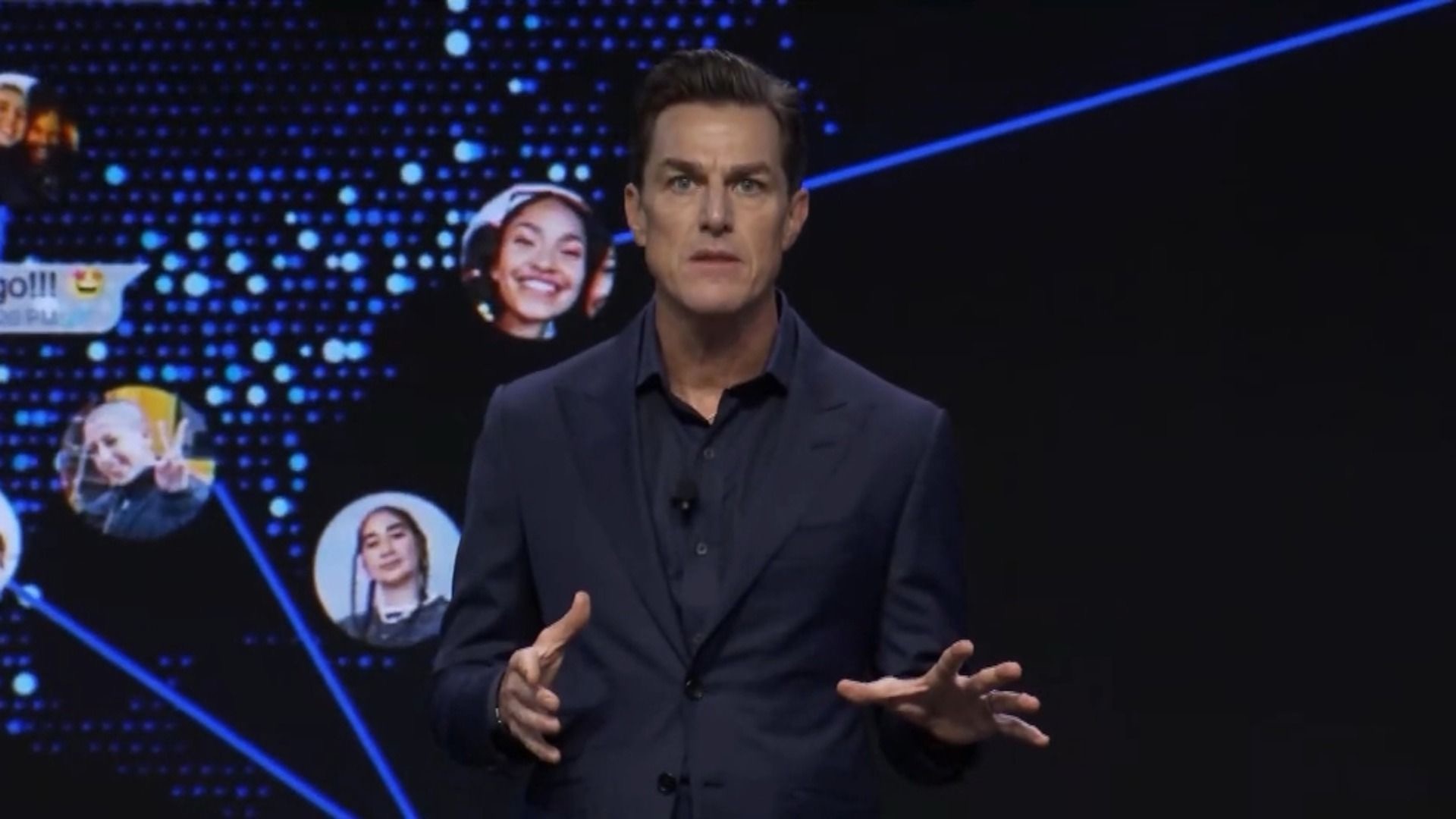
In a press conference held at Microsoft’s headquarters in Redmond, CEO Satya Nadella acknowledged the growing apprehension among stakeholders. “We understand the concerns of our users and the broader community. Security is paramount, and it is clear that we need to reinforce our commitment to safeguarding data and privacy. Effective immediately, we are reorienting our resources and strategies to place security at the forefront of our operations.”
Nadella outlined a comprehensive plan aimed at enhancing Microsoft’s security infrastructure. Key components of this plan include:
- Increased Investment in Cybersecurity: Microsoft will significantly boost its investment in cybersecurity technologies and talent. This includes expanding its team of security experts and increasing funding for research and development in advanced threat detection and mitigation techniques.
- Collaboration with Security Agencies: The company will strengthen its collaboration with international security agencies and private cybersecurity firms to enhance its threat intelligence capabilities. This partnership aims to ensure a more proactive approach to identifying and neutralizing potential threats.
- Rigorous Security Audits: Microsoft will implement more frequent and rigorous security audits of its software and cloud services. These audits will be conducted by independent third-party firms to ensure transparency and accountability.
- User Education and Awareness: Recognizing that user awareness is a critical component of cybersecurity, Microsoft will launch an extensive campaign to educate its users about best practices for securing their data and recognizing potential threats.
- AI Ethics and Safety Committee: To balance its AI development with ethical considerations, Microsoft will establish an AI Ethics and Safety Committee. This body will oversee the integration of security protocols within AI projects, ensuring that innovations do not compromise user safety.
Microsoft’s pivot towards enhanced security measures has been welcomed by industry experts and users alike. Cybersecurity analyst Jane Miller remarked, “This is a crucial step for Microsoft. The tech industry is increasingly under siege from cyber threats, and prioritizing security will not only protect users but also bolster trust in Microsoft’s brand.”
However, some analysts caution that this shift may slow down Microsoft’s progress in the competitive AI landscape. Rivals like Google and Amazon continue to make significant advancements in AI, and Microsoft’s reallocation of resources could impact its ability to keep pace.
Despite these concerns, Nadella remains resolute. “Our commitment to AI innovation remains strong, but not at the cost of our users’ security. We believe that by establishing a robust security foundation, we can achieve sustainable and responsible growth in AI and beyond.”
As Microsoft embarks on this new direction, the tech world will be closely watching to see how effectively the company can balance its dual priorities of security and innovation. The stakes are high, but so is the potential for Microsoft to set a new standard in responsible tech leadership.