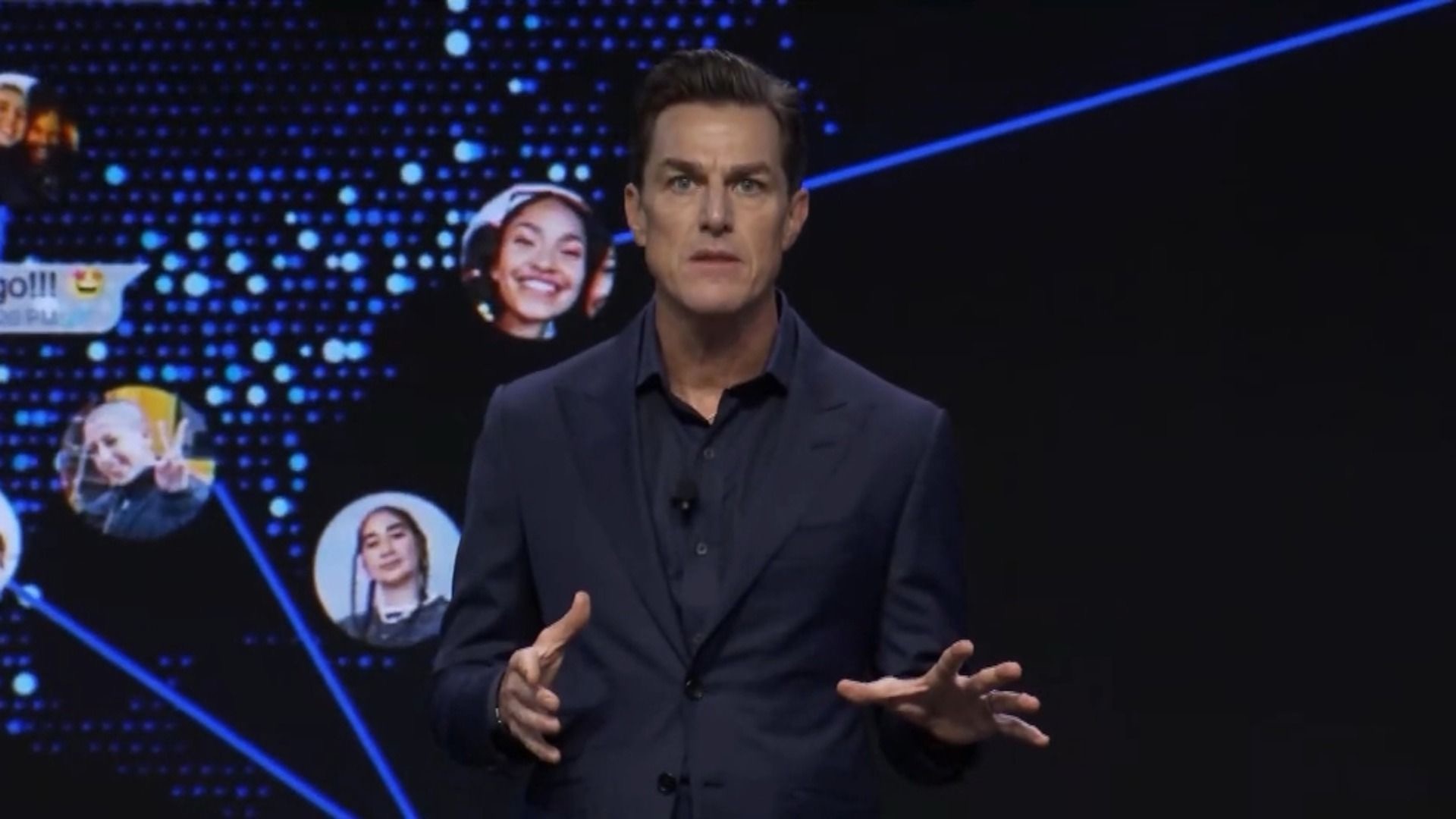
Meta Platforms, the parent company of Facebook, Instagram, and WhatsApp, announced a significant restructuring plan that will see the departure of around 50 vice presidents. This move, part of an ongoing effort to streamline operations and improve efficiency, is being framed by the company as a necessary step to address internal inefficiencies and bolster its leadership team.
The layoffs were announced by CEO Mark Zuckerberg in a company-wide memo, where he emphasized the need to focus on performance and accountability. “As we continue to evolve as an organization, it is crucial that our leadership reflects our commitment to operational excellence and strategic execution. This restructuring is about ensuring we have the right people in the right roles to drive our future growth,” Zuckerberg stated.

The decision to lay off the vice presidents, described internally as “incompetent,” follows a comprehensive review of Meta’s leadership structure. The review, which began earlier this year, aimed to identify areas where performance and alignment with company goals were lacking. According to sources within the company, the affected executives failed to meet the performance metrics and strategic objectives set by Meta’s leadership.
Meta’s restructuring comes at a critical time as the company faces numerous challenges, including intensifying competition, regulatory scrutiny, and the ongoing transition to the metaverse – an ambitious project that aims to create a shared virtual reality space. The company has invested heavily in this vision, but progress has been slower than anticipated, leading to internal pressure to optimize resources and enhance leadership effectiveness.
In the memo, Zuckerberg acknowledged the difficulties of such decisions but underscored their importance for the company’s future. “These changes are tough but necessary. We are grateful for the contributions of those who will be leaving us and will provide support to help them transition to their next opportunities.”
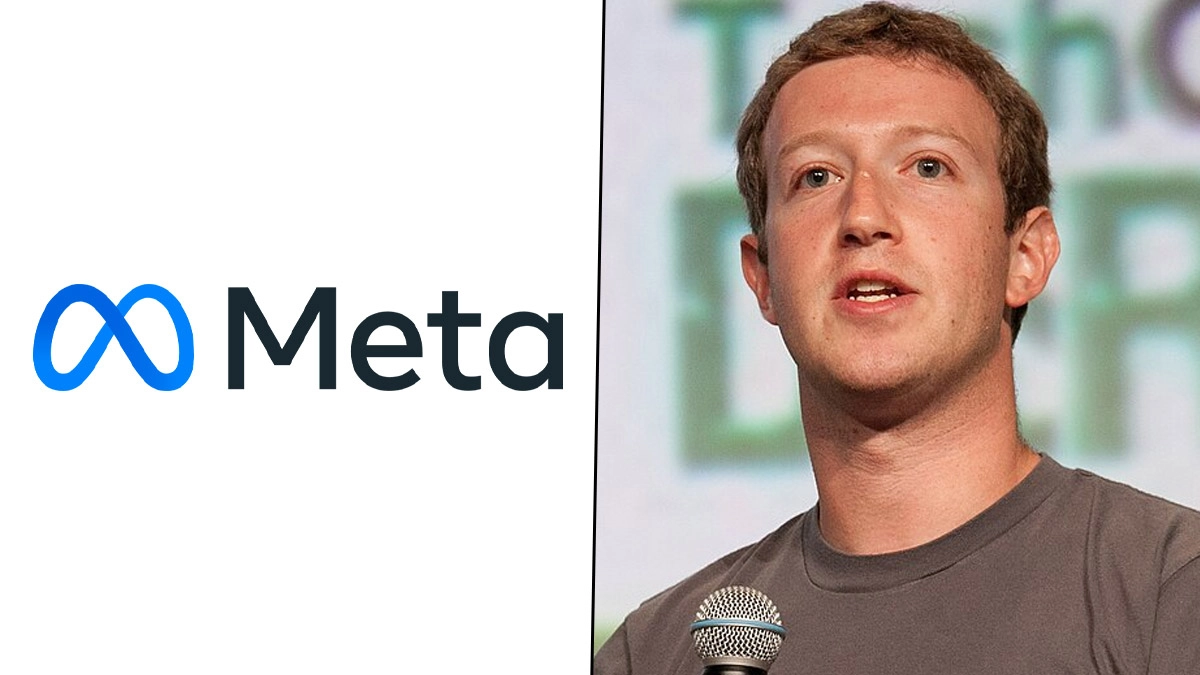
The layoffs are expected to be completed by the end of the quarter, with Meta offering severance packages and career transition assistance to the affected vice presidents. The company will also be re-evaluating and redistributing responsibilities among the remaining leadership team to ensure continuity and stability.
Industry analysts have noted that this move signals a broader trend of tightening efficiency and accountability within tech giants. “Meta’s decision reflects a growing emphasis on operational performance and the need to adapt leadership to rapidly changing technological and market conditions,” said Dan Ives, a tech industry analyst at Wedbush Securities. “This restructuring is likely a response to both internal performance reviews and external pressures to deliver on their ambitious goals.”
The layoffs come on the heels of several other significant changes at Meta, including a recent reshuffle of its product development teams and increased investment in artificial intelligence and augmented reality technologies. These strategic shifts highlight Meta’s ongoing efforts to stay at the forefront of innovation while addressing areas of inefficiency and underperformance.
As Meta navigates this period of transition, the company’s leadership will be under scrutiny to demonstrate that these changes will lead to improved performance and a stronger alignment with its long-term vision. For now, the focus remains on ensuring that the company’s leadership is equipped to drive Meta forward in an increasingly competitive and complex digital landscape.