In a controversial move, Meta, the parent company of Facebook and Instagram, has lifted restrictions on former President Donald Trump’s accounts ahead of the 2024 presidential election. The decision comes as Trump ramps up his campaign efforts to secure the Republican nomination and potentially return to the White House.
Trump’s accounts were initially suspended following the January 6, 2021, Capitol riots, with Meta citing concerns about the potential for further violence and misinformation. The suspension was one of the most high-profile actions taken by social media platforms in response to the events of that day, alongside similar bans by Twitter and YouTube.
Nick Clegg, Meta’s President of Global Affairs, announced the reinstatement of Trump’s accounts in a blog post, stating that the company had assessed the risks and determined that the suspension was no longer warranted. “We believe that the public should be able to hear what politicians are saying so they can make informed choices,” Clegg wrote. “We also believe that the right way to handle this is to ensure robust safeguards are in place to address any potential risks.”
Meta has implemented a set of new policies aimed at preventing the spread of harmful content and misinformation from high-profile accounts. These measures include heightened monitoring of Trump’s activity, fact-checking, and restrictions on the amplification of posts that violate Meta’s community standards.
The decision has sparked a wide range of reactions. Supporters of Trump have welcomed the move, viewing it as a victory for free speech and a step towards restoring his voice on major social media platforms. “It’s about time that President Trump is allowed back on Facebook and Instagram,” said a spokesperson for Trump’s campaign. “He has a message that millions of Americans want to hear, and these platforms are crucial for reaching voters.”
Critics, however, have expressed concern that the reinstatement could lead to a resurgence of harmful rhetoric and misinformation. Civil rights groups and some lawmakers have argued that Meta’s decision prioritizes profit and engagement over public safety. “Meta is making a dangerous mistake by allowing Donald Trump back on its platforms,” said Jonathan Greenblatt, CEO of the Anti-Defamation League. “This move risks inflaming divisions and spreading falsehoods at a time when our democracy is still fragile.”
The reinstatement of Trump’s accounts also raises broader questions about the role of social media companies in regulating political speech and their responsibilities in safeguarding democratic processes. With the 2024 election on the horizon, platforms like Meta are under increasing scrutiny for their policies and practices related to political content.
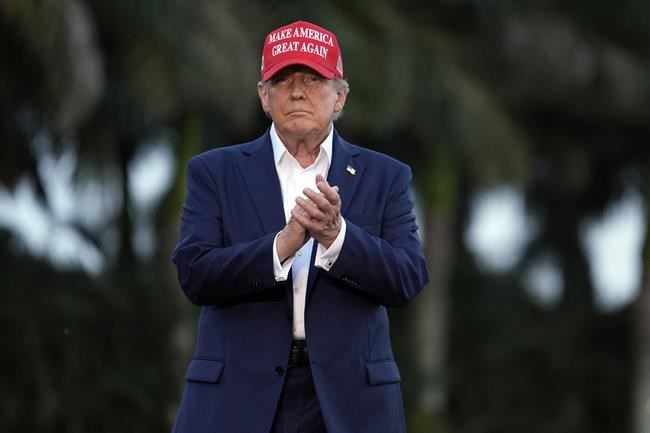
As Trump re-engages with his followers on social media, the impact of Meta’s decision will be closely watched. The former president’s use of these platforms has been a defining feature of his political strategy, and his return is likely to influence the dynamics of the upcoming election.
For now, Meta’s move marks a significant moment in the ongoing debate over free speech, platform responsibility, and the balance between public discourse and public safety.