Berkshire Hathaway, the conglomerate led by billionaire investor Warren Buffett, has made a significant shift in its investment strategy, halving its stake in tech giant Apple and boosting its cash reserves to a staggering $277 billion. The move is seen as a defensive posture by the legendary investor, signaling concerns about potential market volatility and economic uncertainty.
A Surprising Move
Berkshire’s decision to reduce its Apple holdings by 50% has caught many in the financial world off guard. Apple, which had become Berkshire’s largest equity holding in recent years, was famously described by Buffett as “the best business I know in the world.” The tech behemoth has been a cornerstone of Berkshire’s portfolio, contributing significantly to the conglomerate’s earnings thanks to its consistent growth and strong profitability.

However, the recent sale of Apple shares suggests a shift in strategy. The sale, estimated to have reduced Berkshire’s stake by around $65 billion, appears to be part of a broader effort to de-risk the portfolio amidst a challenging macroeconomic environment.
A Record Cash Pile
With the Apple sale, Berkshire’s cash reserves have ballooned to an all-time high of $277 billion, marking a notable increase from the $147 billion reported at the end of the previous quarter. This significant cash hoard indicates that Buffett and his team are positioning Berkshire to weather potential economic storms, preserving liquidity in anticipation of better investment opportunities or to safeguard against unforeseen downturns.
The cash buildup also reflects a broader trend within Berkshire Hathaway in recent years, where the company has been cautious about deploying capital in a market that Buffett has described as “overheated” and “speculative.”
Defensive Positioning
Market analysts interpret Berkshire’s actions as a defensive move, with the company adopting a more cautious approach as economic indicators become increasingly mixed. Concerns about inflation, rising interest rates, geopolitical tensions, and the potential for a slowdown in global growth have led many investors, including Buffett, to reassess their portfolios.
By reducing exposure to a single, albeit successful, stock and increasing its cash reserves, Berkshire is likely preparing for a more turbulent market environment. This approach also leaves the conglomerate well-positioned to take advantage of opportunities that may arise in the event of a market correction.
Buffett’s Long-Term View
Warren Buffett has long been known for his disciplined investment strategy, focusing on buying quality businesses at reasonable prices and holding them for the long term. The decision to pare back on Apple, while significant, doesn’t necessarily indicate a lack of confidence in the company’s future. Instead, it may reflect Buffett’s broader view on managing risk and capital allocation during uncertain times.

Buffett has often spoken about the importance of being ready to act when markets are in turmoil, and with a record cash pile, Berkshire is poised to do just that. The conglomerate’s cash reserves give it the flexibility to make significant acquisitions or investments when valuations become more attractive.
Market Reaction
The market has reacted cautiously to the news of Berkshire’s shift. Apple shares saw a modest dip following the announcement, reflecting investor sentiment that Berkshire’s sale might indicate concerns about the tech sector’s valuations. However, many analysts believe that the move is more about Berkshire’s overall portfolio strategy rather than a negative signal about Apple’s prospects.
Berkshire’s stock also experienced minor fluctuations, with investors weighing the implications of the company’s defensive posture.
Looking Ahead
As Berkshire Hathaway enters this new phase, all eyes will be on how Buffett and his team navigate the evolving economic landscape. With a massive cash reserve and a more diversified portfolio, Berkshire is positioned to be a major player in the market, ready to capitalize on opportunities and safeguard against risks.
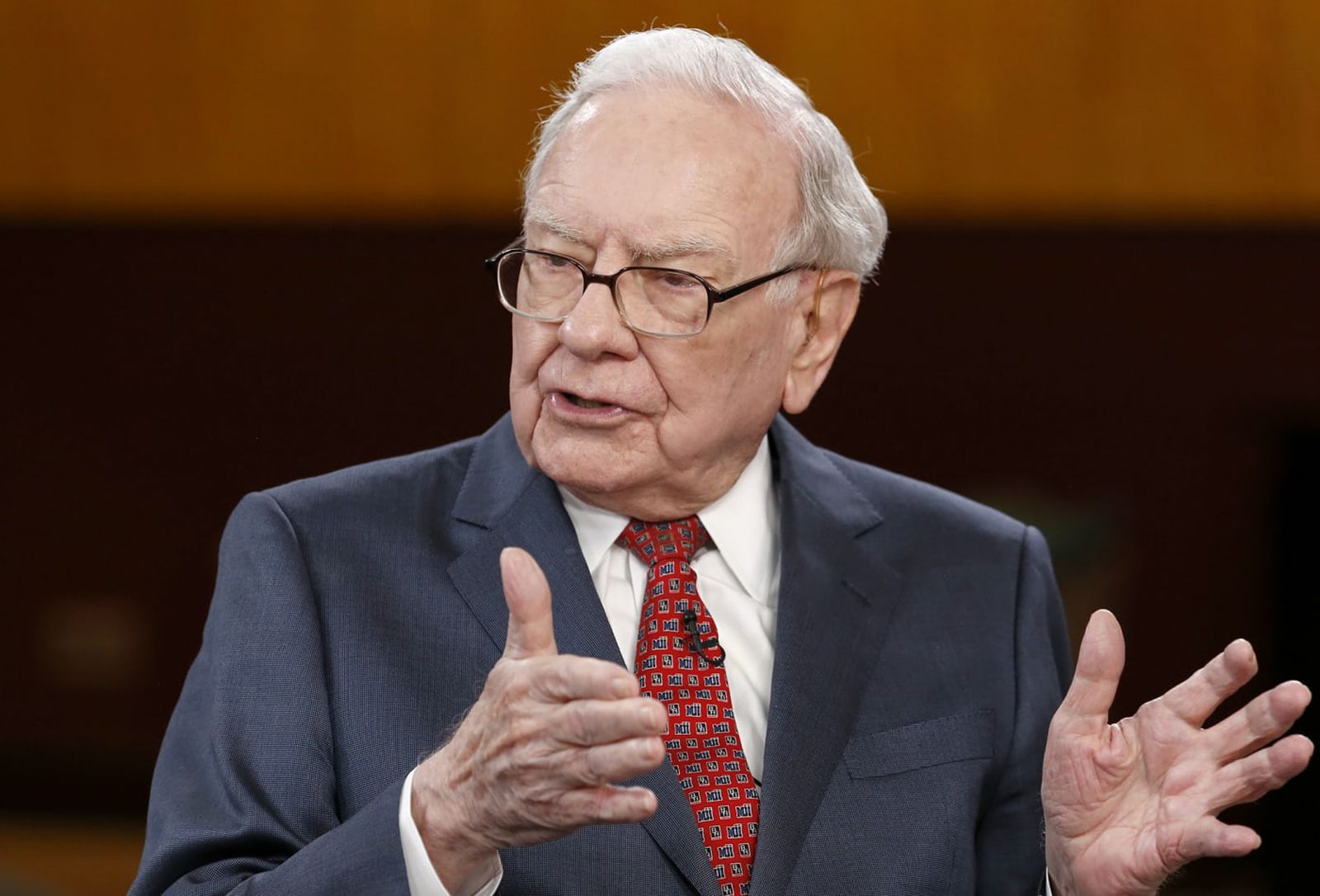
For now, the message from Omaha is clear: in uncertain times, even the Oracle of Omaha is willing to take a step back, bolster defenses, and wait for the right moment to strike.