

In a move that has sparked widespread discussion, Elon Musk, the CEO of Tesla and SpaceX, has extended an invitation to U.S. Vice President Kamala Harris for a live discussion on X (formerly Twitter) after her campaign made critical remarks about him. The invitation comes after a spokesperson for Harris’s 2024 re-election campaign referred to Musk as a “self-obsessed rich guy who will sell out his values for the highest bidder.”
The Initial Criticism
The remarks from the Harris campaign emerged during a broader conversation about the influence of billionaires on American politics and the economy. The spokesperson highlighted Musk as a symbol of what they see as problematic—accusing him of prioritizing his personal wealth and corporate interests over the well-being of the public. The comments were part of a larger strategy by the Harris campaign to position the Vice President as a champion of working-class Americans and a critic of corporate overreach.
Musk’s Response
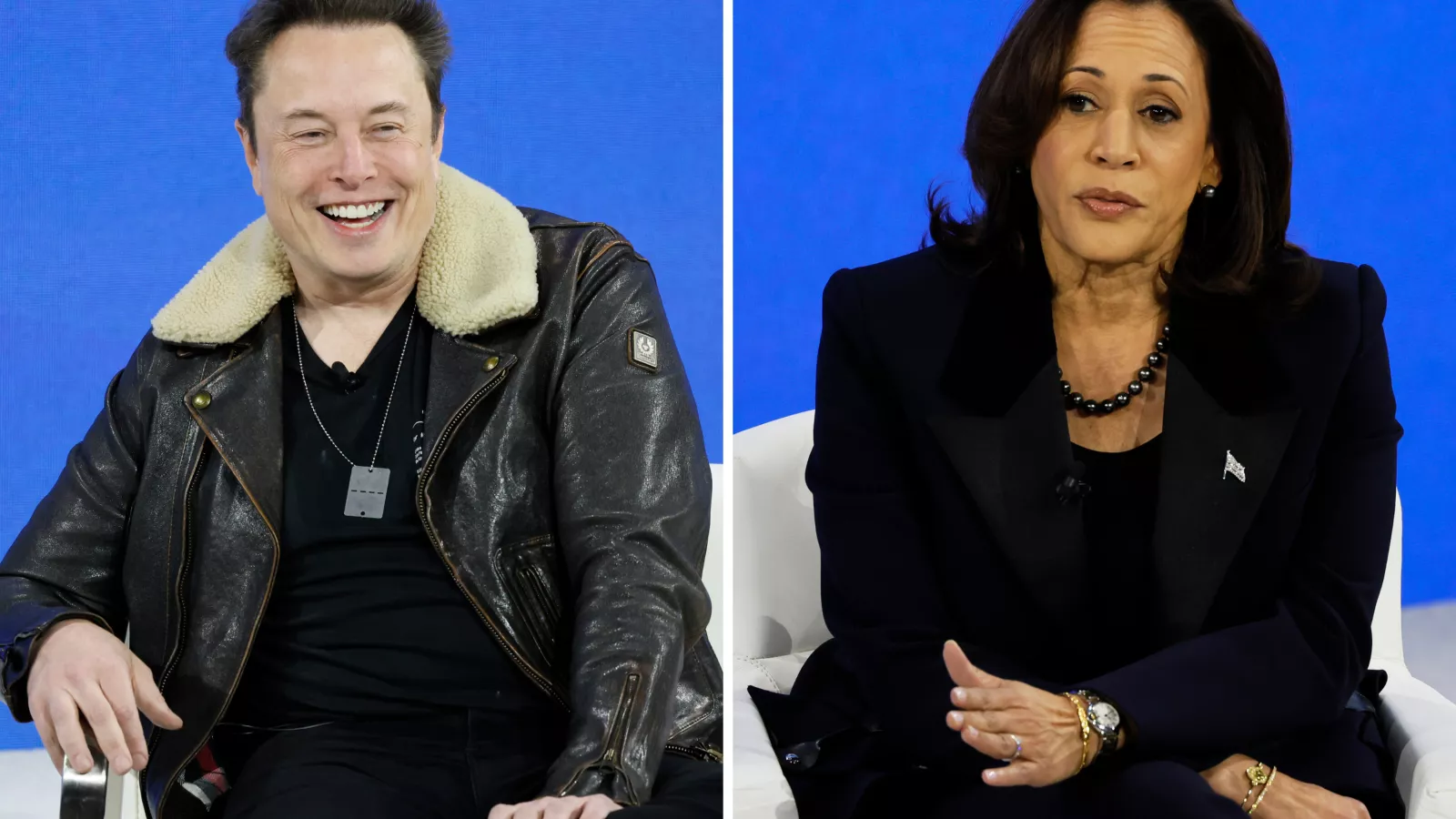
Elon Musk, known for his frequent and sometimes controversial use of social media, responded swiftly to the campaign’s criticism. In a post on X, Musk wrote, “Interesting to be called out. Maybe we should discuss this live on X?” He then tagged Vice President Harris and offered to host a live conversation on his platform.
The invitation was seen by many as a challenge, with Musk aiming to turn the criticism into a public dialogue. His tweet quickly went viral, garnering millions of views and sparking debate about whether Harris should accept the offer.
Reactions and Speculations
Reactions to Musk’s invitation have been mixed. Some political analysts see it as a savvy move by Musk to control the narrative and possibly diffuse the criticism through direct engagement. Others believe it’s a tactic to draw attention to his platform, which he has been trying to reposition as a hub for public discourse since acquiring it.
Supporters of Harris have urged her to decline the invitation, arguing that participating would lend credibility to Musk’s platform and detract from her campaign’s message. On the other hand, some have suggested that a public debate could be an opportunity for Harris to directly address her concerns with Musk and reach a broader audience.
The Bigger Picture
This exchange between Musk and Harris is emblematic of the increasingly tense relationship between tech moguls and political leaders. As billionaires like Musk, Jeff Bezos, and Mark Zuckerberg continue to wield significant influence in both business and media, they find themselves under scrutiny from politicians who argue that their power should be checked.

For Musk, who has often been at odds with the U.S. government over regulations, taxes, and space contracts, this public exchange with Harris is another chapter in his complex relationship with political leaders.
What’s Next?
As of now, Vice President Harris has not publicly responded to Musk’s invitation. Whether she will accept remains to be seen, but the situation underscores the evolving nature of political discourse in the digital age. If the live discussion does take place, it could set a precedent for how politicians and influential figures engage in the future.
The political world and the tech industry will be closely watching how this unfolds, with potential implications for both the 2024 election and the broader relationship between Washington and Silicon Valley.









