The U.S. government might split up Google one of the biggest and most powerful tech firms in the world. This could set a new standard. It comes after years of worry about Google’s control over online search, ads, and other digital markets. If it happens, it would be one of the biggest antitrust moves in recent U.S. history. People are comparing it to the AT&T breakup in the 1980s and Microsoft’s antitrust fight in the late 1990s.
Background and Context
Google, which Alphabet Inc. owns, has been under antitrust scrutiny for over ten years. The company has more than 90% of the global search engine market. It also has a strong hold on online advertising through platforms like YouTube, Google Ads, and the Android system. Critics say Google’s power hurts competition, gives people fewer choices, and helps its own products and services over those of its rivals.

The U.S. Department of Justice (DOJ) and several state attorneys general have scrutinized Google’s business practices. The DOJ sued Google in October 2020 claiming the company kept monopolies through unfair practices and deals that hurt competition. More lawsuits followed targeting how Google advertises and its grip on the search market.
The Case for Breaking Up Google
People talk more about splitting up Google as officials and lawmakers grow annoyed with the company’s growth and its sway over various online markets. Those who want to break up Google say that dividing it into separate parts—like splitting off its search, ads, and YouTube—could bring back competition and spark new ideas in the tech world.
Antitrust experts and Google critics claim that the company’s integrated business model puts up big roadblocks for smaller rivals. Take Google’s search engine as an example. It not sends users to its own services but also gathers tons of data, which it uses to boost its ad business. While this teamwork is productive, it sparks worries about too much power in one company’s hands and its ability to set market rules.
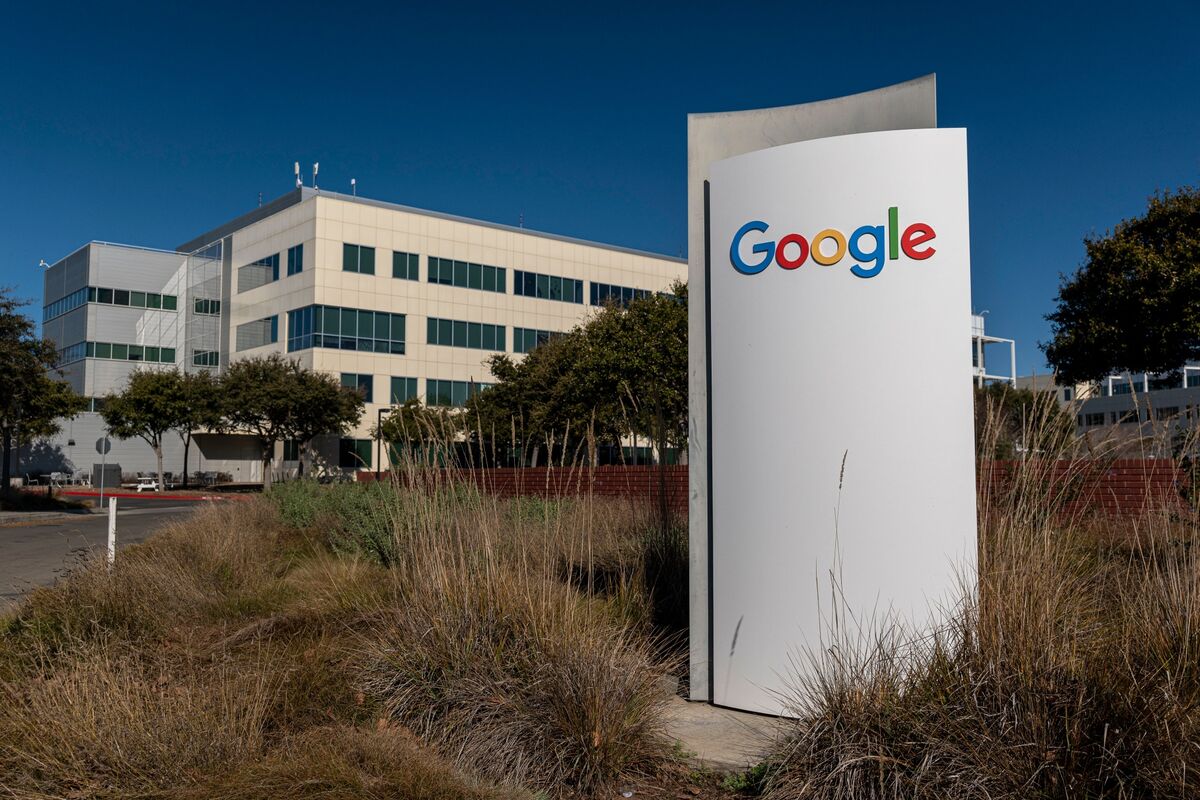
But splitting up Google isn’t a simple task. The company and its backers say such a move could shake up the digital world causing unexpected problems for users and businesses that depend on Google’s services. They also argue that Google’s size and integration help it offer better services, and breaking it up would hurt its ability to come up with new ideas.
The DOJ and state attorneys general would have to show that Google’s actions break U.S. antitrust laws, which is tough to do. They’d need to prove that Google harms users and competition. Even if a court agreed to a breakup, the process would drag on and face appeals taking years to finish.
Implications for the Tech Industry
A breakup of Google would have far-reaching implications for the tech industry. It could embolden regulators to take similar actions against other tech giants, such as Amazon, Apple, and Meta (formerly Facebook), which are also facing antitrust scrutiny. It might also signal a shift in U.S. antitrust policy, moving away from the traditional focus on consumer prices to consider broader concerns about market structure and corporate power.
The impact on consumers could be mixed. While a breakup could lead to more competition and innovation, it might also result in higher costs for services currently offered by Google, as smaller, standalone companies may not be able to achieve the same economies of scale.
Conclusion
As the U.S. government deliberates this unprecedented move, the debate over Google’s future will continue to shape the landscape of digital markets. The outcome could redefine the boundaries of corporate power and set a new standard for antitrust enforcement in the tech age. Whatever the final decision, it is clear that Google’s dominance will remain a central issue in discussions about competition, innovation, and consumer welfare in the years to come.