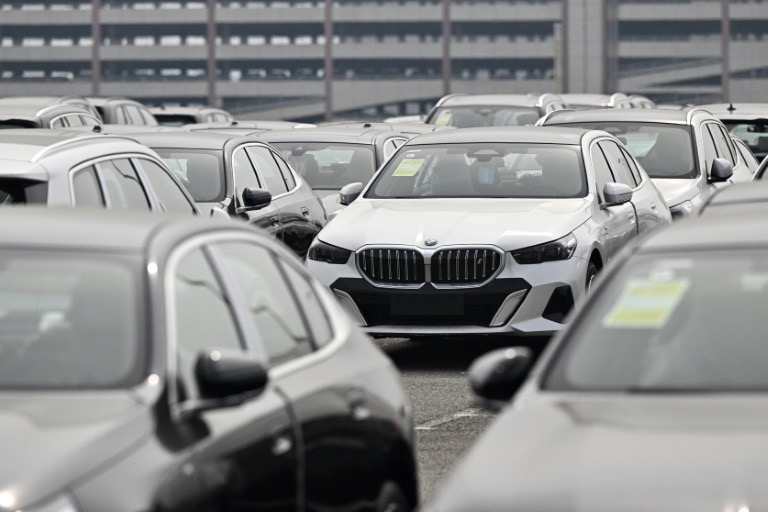
In an era where vehicles are becoming modernly connected, many of the car companies are quietly collecting large amounts of driving data and selling them, thus raising significant concerns about privacy and use of personal information. This information is monetized in ways that many drivers do not notice, ranging from GPS locations to driving habits to in-car communications; with implications for consumer privacy that could potentially be vast.
The Data Harvesting Behind the Wheel
Today’s cars have different software and sensors aimed at improving the driving experience. They collect data on your car’s health, how often you brake, your speed or routes among other factors. This data is majorly used for safety improvements besides being illustrated through services such as real-time traffic updates but much more is kept quiet and sold off.
Such information has been found to be greatly valuable by car manufacturers as well as tech firms that produce in-vehicle systems. This can appeal to advertisers as well as insurers keen on finding out more about specifically drivers’ patterns or trends. The practice is increasingly becoming popular sometimes without the consumer being informed about the driver’s data usage.
One of the most disturbing things about this data collection is its lack of transparency. Most car companies conceal the specifics of data collection in cumbersome terms and conditions, making it almost impossible for an average driver to know what he or she is consent to. Thus, there are many drivers who do not know that their driving data is being tracked, stored and sold.

In some instances, the data collected can include very sensitive information such as detailed location histories; biometric data from in-car sensors; and even recordings from in-car microphones. This information has the capacity to provide a comprehensive overview of an individual’s daily life including where they live, work or spend leisure time.
Who are the Buyers?
Many different companies buy this type of driving related information, implying its numerous possible uses. For example; insurance providers may utilize driving behavior data to modify premiums by lowering rates for safe drivers while raising them for others. On the other hand, advertisers may employ location coordinates to send specific advertisements targeting motorists depending on their most frequently traveled routes.
This data is also of interest to tech companies, data brokers and even government agencies. The large number of potential buyers raises the question of how such data could be used in ways that do not serve consumers’ interests, for example, in monitoring or manipulation.
Consumer Privacy at Risk
The sale of driving data without explicit consent raises serious issues of privacy. Given its detailed nature, this data has a possibility of being abused or falling into wrong hands. For instance, if the hacker hacked this information or it was unethically shared, there would have been huge violations on personal privacy.
Moreover, some believe that such data collection can lead to discriminatory practices. For instance, insurance firms might utilize driving records so as to punish certain drivers unfairly while employers could use it for decisions related to hiring and promotions.
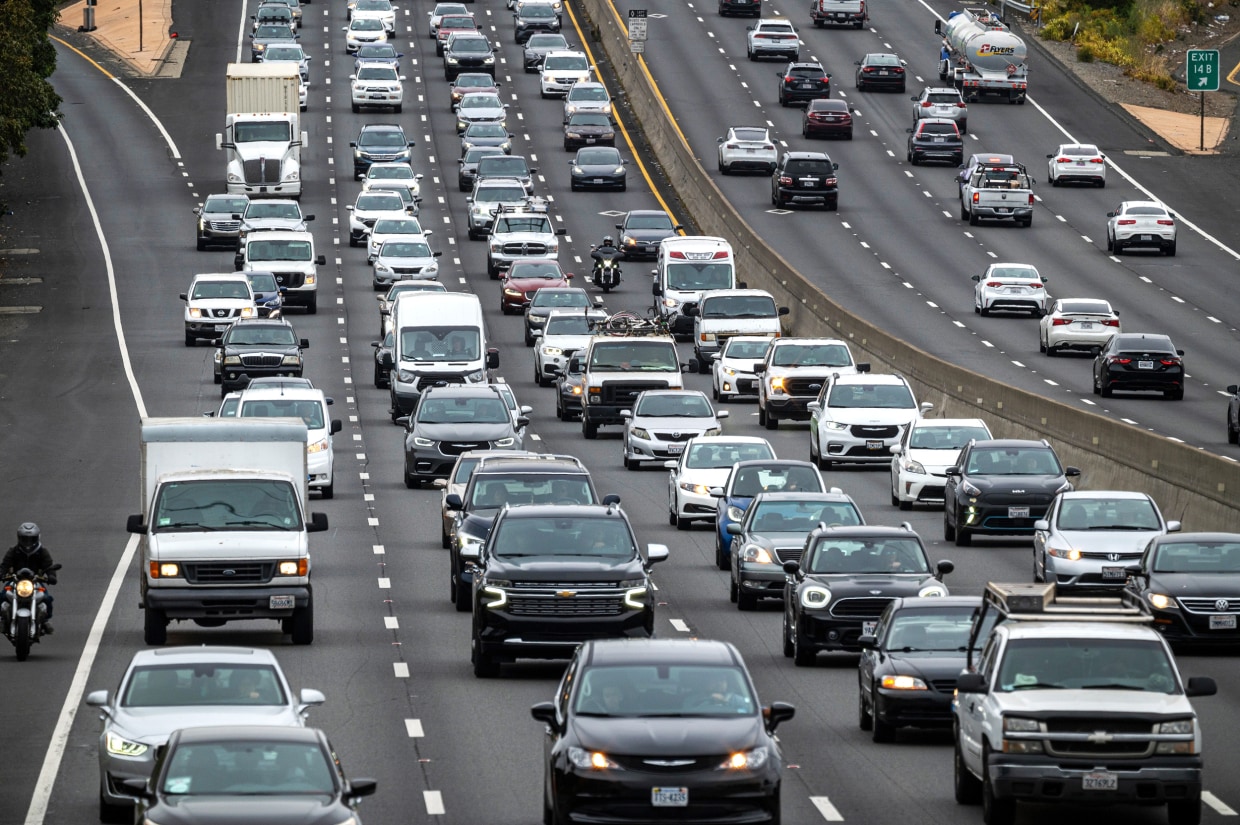
In response to these concerns, there are calls for stricter regulations on the gathering and distribution of driving information. Privacy advocates say consumers deserve more power over their own lives including an option not to permit any kind of data collection at all as well as a clear understanding on what happens with their data.
A few legislators are beginning to notice. In the U.S. and Europe, there are debates on how to introduce stricter data protection laws that are similar to those that govern online data in the automotive industry. These may include more open disclosures that can give out sensitive information about users, limits on the selling of such, and heavier punishment for misusing customer details by the companies concerned.
Consumers can safeguard their privacy at present by doing things like reading documents which are given when a new vehicle is bought or while using connected services; they should also modify available privacy settings accordingly. There are automobiles which allow limiting access to data, or even disabling some tracking features but these options are not always easy to locate and understand.
As people become more aware, the pressure on car makers to carry out transparent practices with their data could increase resulting into an unprecedented empowerment of individuals over their private information. Meanwhile, motorists should note that their cars’ digital footprints may hold more value than they can dream of – yet it is never them that benefit from it.