Brazilian authorities have moved to block access to X, the social media platform formerly known as Twitter, following the company’s refusal to comply with a judicial order demanding the appointment of a local legal representative. The move escalates a confrontation between the platform, owned by Elon Musk, and Brazil’s judiciary, highlighting ongoing tensions between global tech giants and national regulatory frameworks.
The conflict began when Judge Alexandre de Moraes, one of Brazil’s Supreme Court justices, issued an order requiring X to designate a local representative who could be held accountable for any legal proceedings involving the platform. The order came amid concerns over the platform’s role in disseminating disinformation and its compliance with local laws governing social media content.
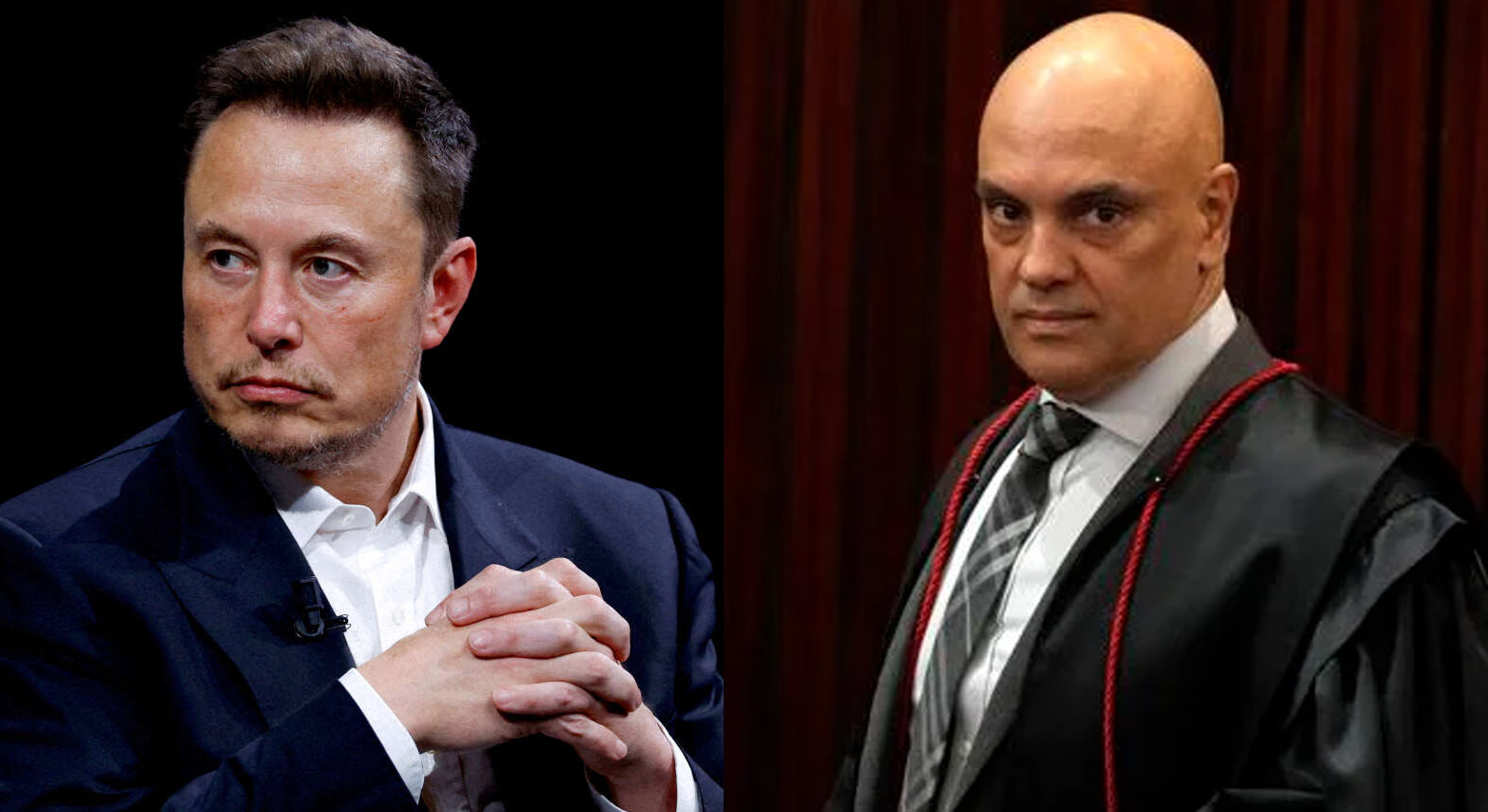
Despite the judge’s directive, X, under Musk’s leadership, failed to appoint a representative by the deadline. Instead, the company argued that its global legal structure did not necessitate a local representative, as it could handle legal matters from its international offices. This stance was seen as a challenge to Brazilian sovereignty and the country’s ability to enforce its laws on foreign entities operating within its borders.
In response, Judge Moraes issued a ruling to block access to X across the country. The decision was met with both support and criticism. Supporters, including many in the judiciary and government, argue that the move is necessary to ensure that multinational companies respect Brazilian law and do not operate with impunity. Critics, however, warn that blocking the platform sets a dangerous precedent and could limit freedom of expression for millions of Brazilian users who rely on X for communication and news.
The block on X has significant implications for the social media landscape in Brazil, where the platform has millions of active users. It also raises questions about the future of international tech companies in the country and how they will navigate increasingly assertive regulatory environments. Brazil, like several other countries, has been grappling with the challenges posed by the digital economy, including issues related to misinformation, privacy, and the influence of global tech giants.
Elon Musk, who acquired Twitter in 2022 and rebranded it as X, has not publicly commented on the situation. However, his previous statements suggest a belief in minimal regulation of online platforms, a stance that has often put him at odds with regulators worldwide. The block in Brazil marks the latest in a series of legal and regulatory challenges faced by Musk’s companies as they expand globally.
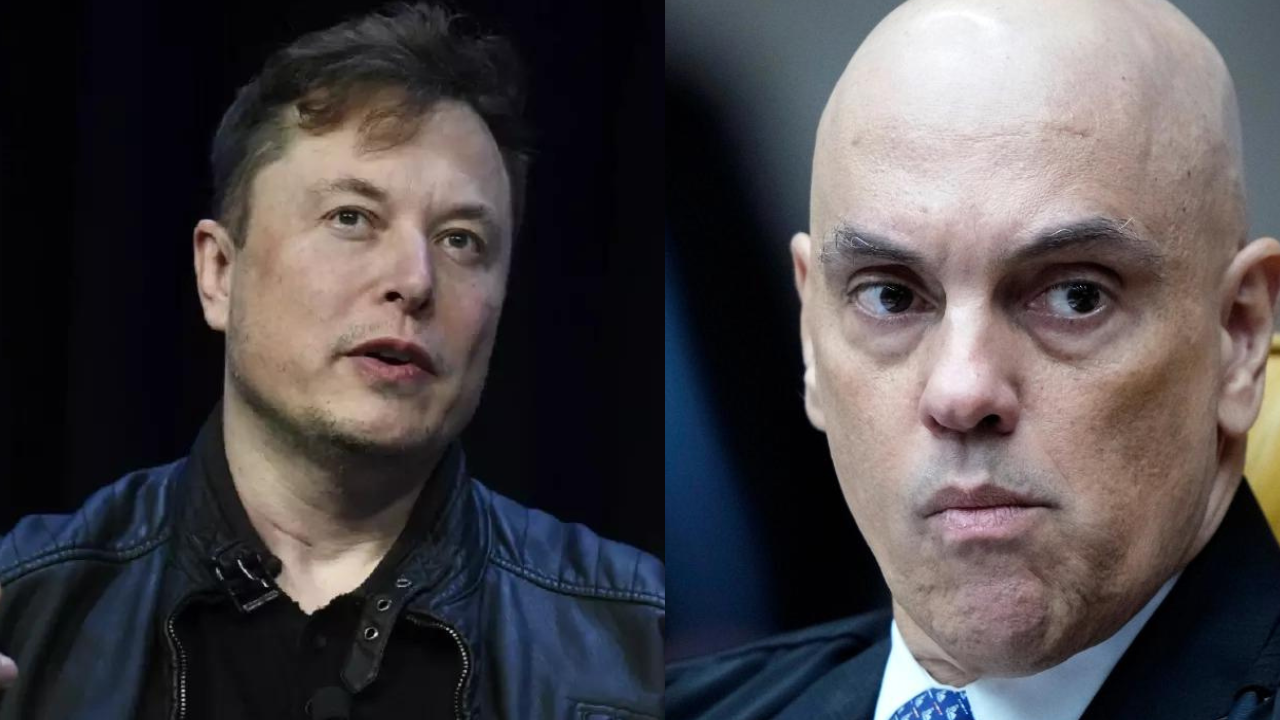
Brazilian internet service providers have begun implementing the block, and users across the country have reported difficulties accessing X. The government has also indicated that the block will remain in place until X complies with the judicial order or reaches a legal agreement with the authorities.
The situation remains fluid, with potential ramifications not only for X but also for other tech companies operating in Brazil. As the standoff continues, it highlights the growing tensions between national governments and global tech firms, each grappling for control over the digital spaces that increasingly define public discourse.