


Stellantis, the multinational automotive giant formed from the merger of Fiat Chrysler Automobiles and PSA Group, has announced its unwavering commitment to all 14 of its car brands. Amid widespread industry speculation and concern about potential brand sales or discontinuations, Stellantis has clarified that it has no plans to sell or kill any of its iconic automotive names.
A Diverse Portfolio Stays Intact
Since its formation in January 2021, Stellantis has managed a diverse portfolio that includes brands like Jeep, Ram, Dodge, Chrysler, Fiat, Alfa Romeo, Maserati, Peugeot, Citroën, Opel, and Vauxhall, among others. With such a vast array of brands, many industry analysts anticipated that Stellantis might streamline its offerings to focus on the most profitable segments, potentially shedding some of its less popular or more niche brands.
However, Stellantis CEO Carlos Tavares has put these rumors to rest. In a recent statement, Tavares emphasized that the company sees value in maintaining the diversity of its brand lineup, which caters to a wide range of consumer preferences across global markets. He asserted that each brand has a unique identity and customer base, and Stellantis is committed to nurturing these assets rather than eliminating them.
Strategic Vision for the Future
The decision to retain all 14 brands aligns with Stellantis’ broader strategic vision of leveraging synergies across its vast empire while maintaining the distinctiveness of each brand. This approach allows the company to optimize costs through shared platforms, technologies, and supply chains while still offering a wide variety of vehicles tailored to different market segments.
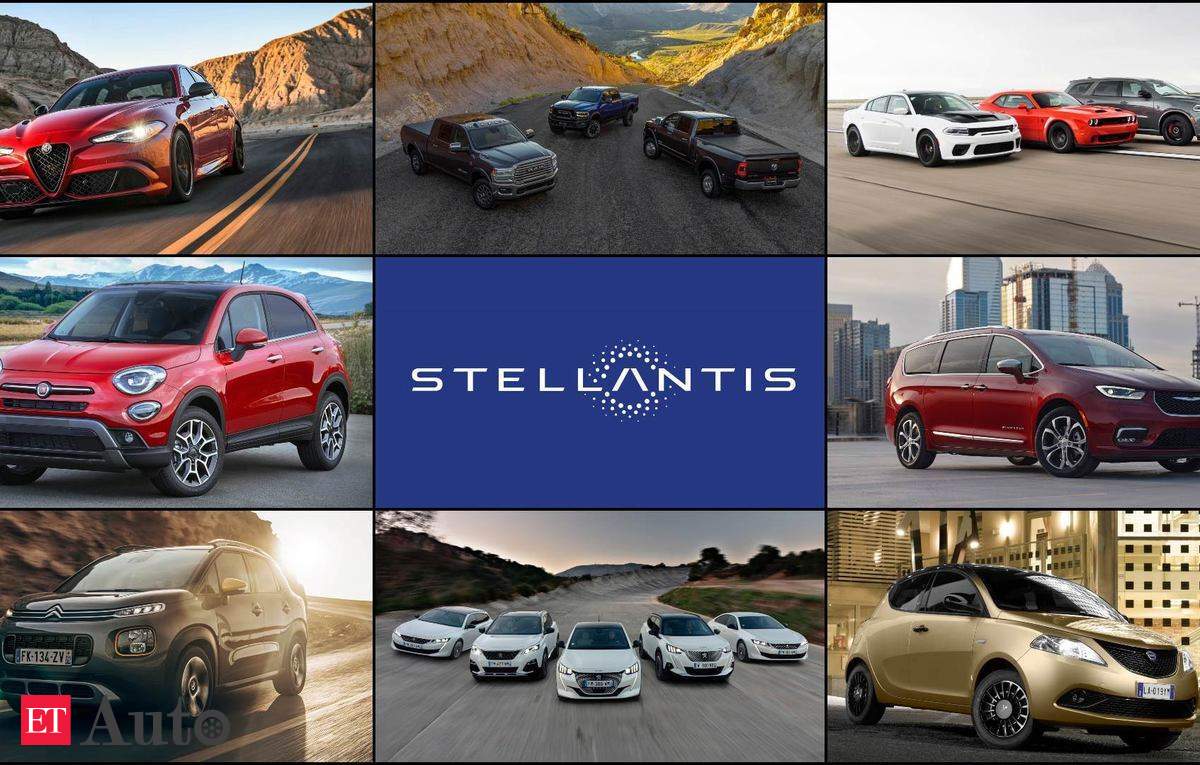
Tavares highlighted that each brand under the Stellantis umbrella plays a critical role in the company’s global strategy. For example, Jeep’s strong presence in the SUV market, Ram’s dominance in trucks, and Maserati’s luxury appeal all contribute to the group’s overall success. The company’s ability to cater to different demographics and geographic regions with its diverse brand portfolio is seen as a competitive advantage.
Investment in Electrification and Innovation
Stellantis has also reaffirmed its commitment to innovation and electrification across all its brands. The company is investing heavily in electric vehicles (EVs) and autonomous driving technologies, with plans to roll out more than 75 new EV models by 2030. Each brand will benefit from these advancements, with some, like Fiat and Peugeot, already making significant strides in electrification.
Moreover, Stellantis is pushing for greater sustainability and efficiency in its operations. This includes streamlining manufacturing processes and reducing the environmental impact of its production facilities, all while ensuring that each brand maintains its unique appeal and heritage.
Looking Ahead
As Stellantis moves forward, the company’s decision to retain all 14 brands signals a strong commitment to its global customer base and the diverse automotive landscape. By maintaining a wide range of offerings, Stellantis aims to capture a larger share of the global market, appeal to different consumer tastes, and continue its growth trajectory.
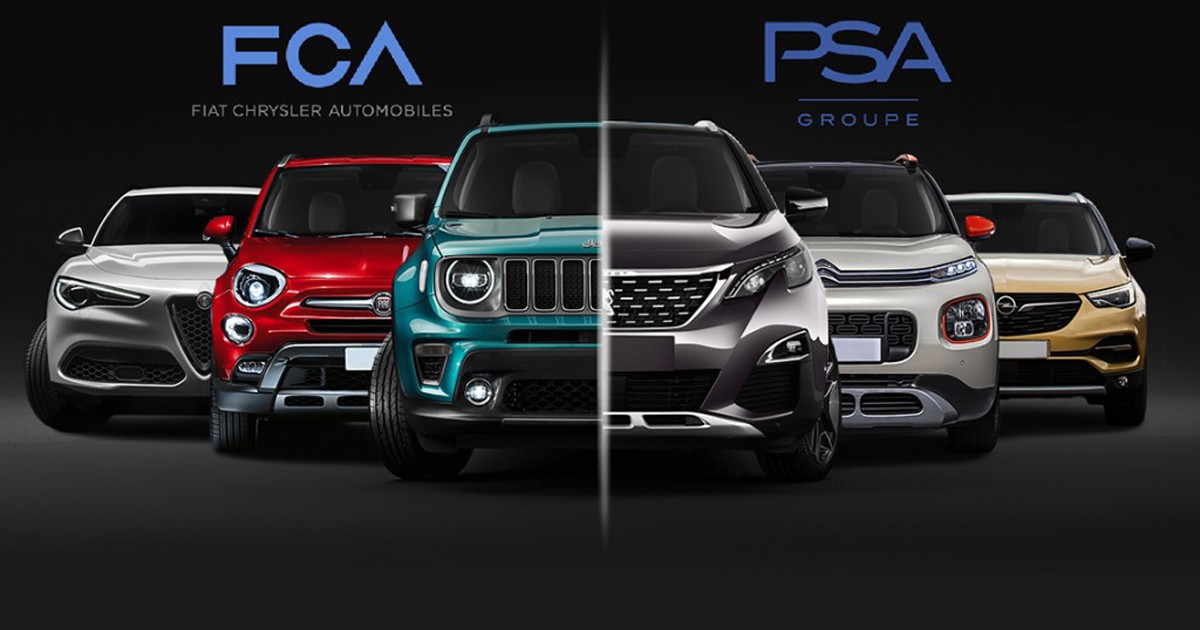
While some industry watchers remain skeptical about the long-term viability of such a broad portfolio, Stellantis appears confident that its strategy will pay off. The company’s focus on innovation, brand identity, and customer satisfaction suggests that it is well-positioned to navigate the challenges of the rapidly evolving automotive industry. For now, fans of Stellantis’ diverse range of vehicles can rest assured that their favorite brands are here to stay.









