


In a significant legal development, the creators of the popular game Palworld are being accused of infringing on multiple patent rights owned by Nintendo and The Pokémon Company. The lawsuit, filed in a U.S. district court, alleges that Palworld has unlawfully utilized several patented technologies and design elements associated with the beloved Pokémon franchise.
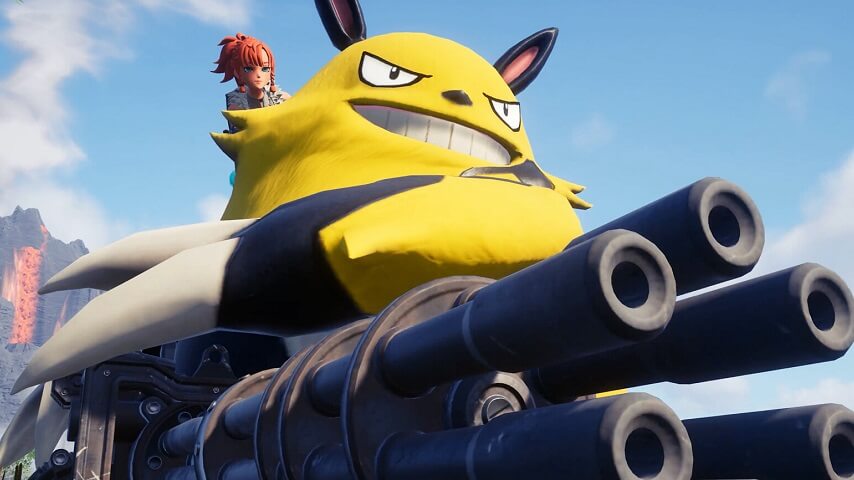
Palworld, developed by Pocket Pair, has gained attention for its unique blend of creature collection and survival gameplay, reminiscent of the Pokémon series. However, the similarities have not gone unnoticed, leading to legal scrutiny from two of the biggest names in the gaming industry.
The lawsuit outlines several specific patents that Nintendo and The Pokémon Company claim Palworld has violated, including elements related to character design, gameplay mechanics, and user interface features. According to the complaint, the game’s mechanics closely resemble those found in the Pokémon series, raising concerns over intellectual property rights.

“Nintendo and The Pokémon Company have built their brands on innovation and creativity,” said legal expert Rachel Kim. “This lawsuit underscores the importance of protecting intellectual property in the gaming industry, particularly against titles that closely mirror established franchises.”
In response to the allegations, Pocket Pair has stated that they are reviewing the claims and are committed to addressing the issues raised. The studio has expressed confidence in their original creation and aims to defend their rights in the upcoming legal proceedings.
This legal battle highlights ongoing tensions in the gaming industry, where the lines between inspiration and infringement can often blur. As the popularity of creature-collecting games continues to grow, both established franchises and indie developers must navigate the complexities of intellectual property rights.
As the case unfolds, it remains to be seen how this lawsuit will impact Palworld’s future and whether it will lead to broader discussions about creativity and originality in game development.
The gaming community is closely watching the situation, as it could set significant precedents for future game releases and the protection of creative works within the industry.









