A Tamagotchi Comeback? Toy Gets First UK Store as Global Sales Double
The iconic Tamagotchi is making a remarkable comeback, with the beloved digital pet brand set to open its first standalone store in the UK. This launch comes as global sales of Tamagotchis have doubled in recent years, signaling a resurgence of interest in the nostalgic toy among both old fans and a new generation of gamers.
Located in the heart of London, the new store will offer an immersive experience for Tamagotchi enthusiasts, featuring a wide range of products, including the latest versions of the digital pets, accessories, and exclusive merchandise. The grand opening is scheduled for next month, coinciding with a series of promotional events designed to celebrate the brand’s legacy and its evolution in the digital age.
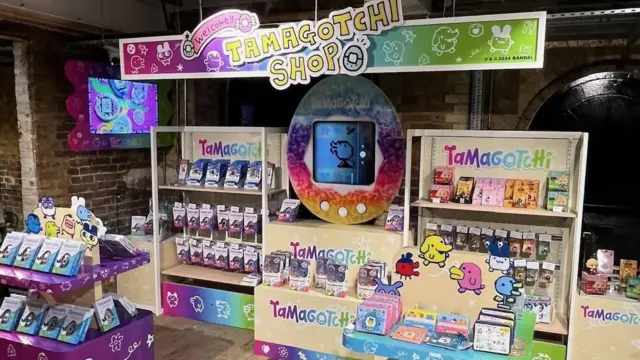
Tamagotchis first captured the hearts of children in the late 1990s, becoming a cultural phenomenon and a staple of handheld gaming. The recent spike in sales is attributed to a combination of nostalgia among millennials and innovative updates to the original concept, including smartphone connectivity and new interactive features.
“We are thrilled to bring the first Tamagotchi store to the UK,” said Anna Greene, brand manager at Bandai UK. “This is not just about selling products; it’s about creating a community where fans can connect and share their love for Tamagotchi.”
Industry experts note that the revival of Tamagotchi reflects a broader trend in the toy industry, where nostalgic brands are experiencing renewed popularity. As digital and physical play merge, the Tamagotchi brand is poised to attract both longtime fans and new customers eager to experience the joy of caring for their virtual pets.
With the upcoming store launch, Tamagotchi is not only rekindling memories but also positioning itself for a bright future in a dynamic market.
Crew’s Final Words and New Footage of Wreck: Key Takeaways from Titan Sub Hearings
The hearings surrounding the Titan submersible tragedy have unveiled chilling details, including the final communications from the crew and newly released footage of the wreckage. The inquiries, conducted by the U.S. Coast Guard and various investigative bodies, aim to uncover the circumstances that led to the fatal expedition in June.
During the hearings, transcripts of the crew’s last moments were shared, revealing their calm yet urgent communications as they experienced critical malfunctions. “We’re losing pressure,” one crew member reportedly stated, highlighting the imminent danger they faced. These haunting final words underscore the risks associated with deep-sea exploration and have raised questions about safety protocols.
In addition to the transcripts, investigators presented previously unseen footage of the Titan wreck, offering insights into the condition of the submersible and its descent path. The footage captured moments leading up to the implosion, revealing structural damages that may have contributed to the disaster. Experts noted that the visuals would be crucial in assessing potential design flaws and operational missteps.

The hearings also featured testimony from industry leaders, emphasizing the need for stricter regulations in deep-sea tourism. “We must prioritize safety over exploration,” stated Dr. Emily Carr, a marine engineer. “These tragedies are preventable if we implement rigorous standards.”
As the hearings continue, families of the victims and the public await further revelations. The Titan sub tragedy serves as a stark reminder of the inherent dangers in deep-sea exploration and the urgent need for enhanced safety measures. With ongoing investigations, stakeholders hope to ensure that such incidents do not recur, fostering a safer environment for future expeditions.
The Crypto Bros Who Dream of Crowdfunding a New Country
In an audacious venture, a group of cryptocurrency enthusiasts is attempting to crowdfund the establishment of a new nation, dubbed “Liberland 2.0.” This initiative, spearheaded by a collective of self-proclaimed “crypto bros,” aims to create a sovereign state built on blockchain technology and decentralized governance.
The group envisions a digital-first society, where citizens can contribute to governance through smart contracts and decentralized decision-making. To fund their ambitious project, they are launching a token sale, offering early backers the chance to invest in the nation’s future. “We believe in a world where individuals have the power to shape their own governance,” said project spokesperson Alex Tan.
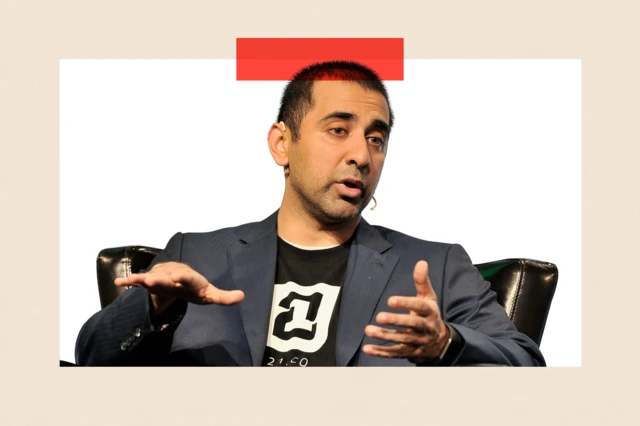
While the concept has captured the imagination of some in the crypto community, skeptics question the feasibility of such an endeavor. Legal experts have raised concerns about sovereignty and international recognition, noting that establishing a new country involves complex geopolitical challenges.
Despite the hurdles, the movement has gained traction, attracting attention from those disillusioned with traditional governments. As the project progresses, the crypto bros hope to transform their vision into reality, showcasing the potential of blockchain technology in creating innovative forms of governance.
Would You Let AI Plan Your Next Holiday?
As artificial intelligence continues to advance, more travelers are turning to AI tools for planning their holidays. From personalized itineraries to real-time travel updates, AI is transforming the way people approach vacation planning.
AI-powered applications can analyze user preferences, past travel experiences, and current trends to create tailored travel plans. For instance, tools like travel chatbots can recommend destinations, suggest accommodations, and even curate activities based on individual interests. “AI takes the hassle out of planning,” says tech enthusiast Sarah Jenkins. “It can find options I might never consider.”

However, not everyone is convinced. Critics express concerns about privacy and the potential for biased recommendations. Some travelers prefer the human touch that comes from personal interactions with travel agents, arguing that AI lacks the nuance of understanding human emotions and desires.
Despite the debate, the trend is growing. Major travel companies are integrating AI into their services, and many consumers report satisfaction with the convenience it offers. As technology evolves, the question remains: will you trust AI to handle your next getaway, or do you prefer the personal touch of a seasoned travel advisor? The future of holiday planning may hinge on finding the right balance between technology and human insight.