In a bold move on the final day of his campaign, former President Donald Trump announced his intention to impose a 25% tariff on imports from Mexico and China as part of his strategy to combat the ongoing fentanyl crisis in the United States. This announcement comes amid rising concerns over the alarming increase in fentanyl-related overdoses and the impact of the drug on communities across the nation.
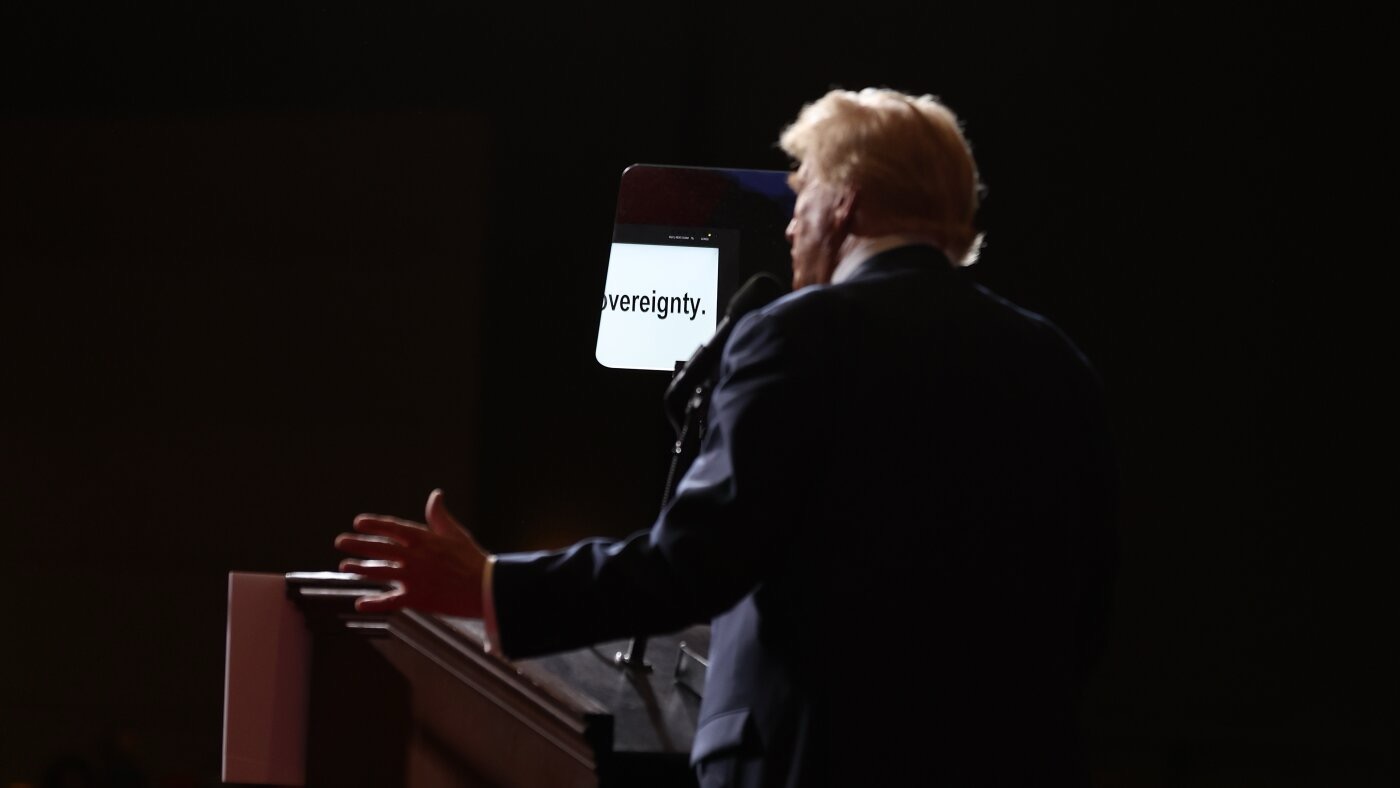
During a rally in key battleground states, Trump stated, “We will hold these countries accountable for the fentanyl flooding into our streets. A 25% tariff on their goods will send a strong message that we will not tolerate the devastation they are causing in America.” The former president emphasized the need for stricter measures to curb the trafficking of this potent synthetic opioid, which has contributed to a significant rise in overdose deaths.

Fentanyl, a drug estimated to be 50 times more potent than heroin, has been linked to thousands of fatalities each year. Many experts have pointed to Chinese manufacturers as a primary source of the drug, with significant quantities reportedly being smuggled through Mexico before reaching U.S. borders.
Trump’s proposal has garnered mixed reactions. Supporters argue that imposing tariffs could pressure both countries to take more aggressive action against the production and distribution of fentanyl. Critics, however, caution that such tariffs could lead to economic retaliation, increase prices for American consumers, and potentially strain diplomatic relations.
Economic analysts are also weighing in on the potential impact of the proposed tariffs. “While the intention behind the tariffs is to address a serious public health crisis, the broader economic implications cannot be overlooked,” said one analyst. “Increased tariffs could disrupt supply chains and lead to higher costs for businesses and consumers alike.”
As Trump concluded his campaign, he framed his tariff promise as part of a larger plan to restore law and order and protect American families from the ravages of drug addiction. “We will make our borders stronger, and we will put an end to this fentanyl epidemic,” he declared to a cheering crowd.
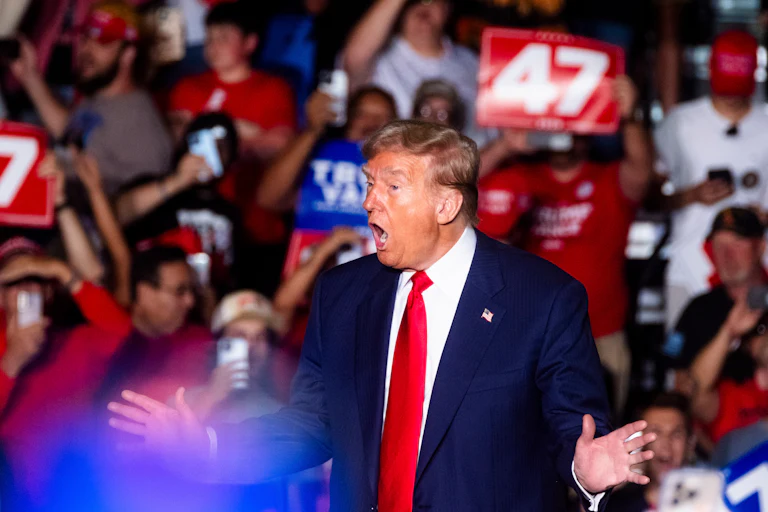
With the election just days away, this announcement adds to the high-stakes atmosphere surrounding the campaign, highlighting the fentanyl crisis as a pivotal issue for many voters. As the nation grapples with the implications of drug addiction, Trump’s proposed tariffs could become a focal point of debate in the weeks ahead, should he regain office.
The final push in Trump’s campaign underscores his commitment to addressing what he deems a national emergency, with the potential impact of his proposals likely to resonate with voters concerned about drug-related issues in their communities.