Palantir Stock Slumps 9%, Extends Losing Streak to Five Days
Palantir Technologies has seen its stock price fall sharply, dropping 9% in a single session and marking its fifth consecutive day of losses. This downturn wipes out a significant portion of the gains the company made after hitting a record high earlier this month. The continuous slide has investors growing cautious amid concerns over the company’s valuation and broader market trends.
Despite Palantir’s impressive recent earnings report, which included crossing $1 billion in revenue and a substantial increase in profits, the stock has struggled to maintain momentum. Investors appear worried that the stock’s high valuation, trading at a steep premium relative to earnings, may not be justified given the competitive and rapidly evolving landscape in which Palantir operates.
Adding to the pressure was a critical report from a prominent short-seller, which argued that Palantir’s valuation is disconnected from its fundamentals and suggested the stock could be worth significantly less. This negative sentiment weighed heavily on investor confidence, prompting a wave of selling.
The decline in Palantir’s shares is also part of a broader trend affecting technology stocks. Many tech companies, especially those associated with artificial intelligence and big data, have experienced volatility as investors rotate funds into more defensive sectors amid uncertainty about economic growth and interest rates.
Despite the recent pullback, Palantir’s underlying business remains strong. The company continues to secure government and commercial contracts, expanding its foothold in data analytics and AI-driven solutions. Analysts remain cautiously optimistic, highlighting the company’s growth potential and innovative technology platform.
Looking ahead, Palantir’s stock performance will likely depend on its ability to sustain growth and demonstrate clear paths to profitability, as well as broader market sentiment toward tech stocks. For now, investors seem to be taking a wait-and-see approach as the stock navigates this challenging period.
Meta to unveil Hypernova smart glasses with a display, wristband at Connect next month
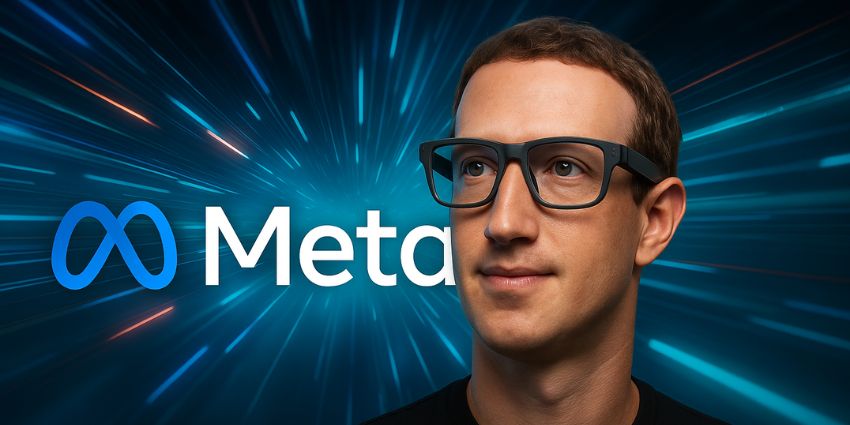
Meta is gearing up to unveil its next-generation smart glasses, codenamed Hypernova, at the upcoming Meta Connect event next month. This new wearable device aims to significantly advance augmented reality technology by combining a sleek design with powerful features.
The Hypernova glasses will feature a built-in digital display embedded into the right lens. This display will provide users with real-time information such as notifications, navigation prompts, and mini-apps, creating an immersive yet unobtrusive augmented reality experience. The monocular screen is designed to offer useful data without distracting from the wearer’s view of the real world.
A standout aspect of this new system is the accompanying neural wristband, called Ceres, which enables intuitive gesture controls. Using electromyography (EMG) sensors, the wristband detects subtle hand and finger movements like pinching or rotating, allowing users to interact naturally with the glasses without needing to press buttons or touch the frame. This hands-free interface is expected to boost ease of use and accessibility.
Meta is also focusing on making the Hypernova glasses more affordable than initially anticipated. While early estimates suggested a price above $1,000, recent updates indicate the glasses will retail for around $800, helping to broaden their appeal in a competitive wearable market.
The company has partnered with eyewear giant EssilorLuxottica to deliver a stylish and comfortable design. While the exact branding is still under wraps, collaborations with high-end fashion labels such as Prada are being explored to ensure the glasses appeal to consumers looking for both technology and aesthetics.
Set to launch in September with shipments starting by October, Hypernova represents a key step for Meta as it pushes further into the augmented reality space. By blending advanced display tech, intuitive controls, and wearable style, Meta hopes to make smart glasses a mainstream reality in the near future.
Waymo granted first permit to begin testing autonomous vehicles in New York City
Waymo has received official approval to begin testing its autonomous vehicles in New York City, marking a significant milestone for the self-driving car industry. This permit makes Waymo the first company authorized to operate fully driverless vehicles on the city’s streets, a major step toward integrating autonomous technology into one of the most complex urban environments in the world.
The approval follows extensive regulatory review and testing in other locations, reflecting growing confidence in Waymo’s technology and safety protocols. With this permit, Waymo can now expand its operations beyond previous testing grounds, such as Phoenix, Arizona, into New York’s dense and dynamic traffic landscape.
Waymo’s autonomous vehicles will undergo rigorous monitoring as they navigate the city’s challenging conditions, including heavy traffic, pedestrians, cyclists, and varied weather. The company aims to demonstrate that its technology can safely and efficiently handle the demands of an urban setting that is notorious for its complexity.
 This development is a major boost for autonomous vehicle adoption in the United States. New York City’s approval signals increased regulatory openness and could pave the way for other companies to seek similar permissions in dense metropolitan areas.
Beyond technological innovation, the move could have significant impacts on urban mobility, potentially reducing congestion, lowering emissions, and increasing accessibility for those unable to drive. Waymo plans to start with limited deployment and gradually scale as the system proves its reliability.
As the first autonomous vehicle permit in New York City, Waymo’s progress is being closely watched by industry experts, policymakers, and the public. Its success or challenges here will likely influence the future of driverless technology in major cities worldwide.
Kimbal Musk Defends Elon’s Tesla Pay Package: ‘My Brother Deserves to Be Paid’
Kimbal Musk, entrepreneur and brother of Tesla CEO Elon Musk, recently spoke out in defense of Elon’s controversial compensation package at Tesla. The remarks come amid ongoing debates about the scale and structure of Elon’s pay, which has drawn both praise and criticism in equal measure.
Elon Musk’s pay plan, approved by Tesla’s board, ties his earnings largely to company performance milestones rather than a fixed salary. It’s designed to reward sustained growth, innovation, and shareholder value, with the potential to make Elon one of the highest-paid executives in history—if Tesla hits ambitious targets.
Kimbal Musk emphasized that such compensation is justified given Elon’s pivotal role in transforming Tesla from a struggling startup to an industry leader in electric vehicles and renewable energy. “My brother deserves to be paid,” Kimbal said in a recent interview. He highlighted Elon’s relentless drive, visionary leadership, and the risks he has taken to push Tesla forward.

Critics argue that Elon’s pay package is excessive, especially as Tesla’s market value fluctuates and questions about sustainability arise. Supporters counter that tying pay to performance aligns Elon’s interests with those of shareholders and incentivizes long-term value creation.
Kimbal’s comments add a personal perspective to the debate, reminding the public of Elon’s unique contributions and the sacrifices behind Tesla’s success story. As Tesla continues to navigate competitive pressures and evolving markets, compensation packages like Elon’s remain under the spotlight, balancing executive reward with investor expectations.
Ultimately, the conversation around executive pay at Tesla reflects broader questions about valuing innovation and leadership in high-growth tech industries—where the stakes and rewards can be extraordinarily high.