Electric vehicle manufacturer Rivian has been granted a significant financial boost from the Biden administration in the form of a $6.6 billion loan aimed at supporting the construction of a new manufacturing plant in Georgia. The move marks a major step in the Biden administration’s broader strategy to accelerate the transition to clean energy, enhance domestic electric vehicle production, and create thousands of jobs in the U.S.
A Strategic Investment in the EV Future
The loan, provided through the Department of Energy’s (DOE) Advanced Technology Vehicles Manufacturing (ATVM) program, will be used to fund Rivian’s state-of-the-art facility in the southeastern U.S. The new factory is expected to play a pivotal role in ramping up Rivian’s production capacity for its electric trucks and SUVs, with the company planning to manufacture several new models at the site.
Rivian’s decision to build in Georgia follows the state’s growing prominence as a hub for the electric vehicle industry, with major manufacturers such as Hyundai and Kia already making significant investments in the region. The factory is expected to create thousands of new jobs in the area, providing a much-needed boost to the local economy and further solidifying Georgia’s position as a key player in the green energy sector.

“This loan is a key part of our administration’s commitment to investing in clean energy technology and ensuring that the U.S. remains a global leader in electric vehicle production,” President Joe Biden said in a statement. “We are proud to support companies like Rivian that are not only creating good-paying jobs but also helping to reduce our reliance on fossil fuels.”
Bridging the Gap to Clean Energy
The loan is part of a broader federal effort to accelerate the adoption of electric vehicles and reduce carbon emissions. The Biden administration has placed a strong emphasis on transitioning the automotive sector to electric vehicles, with a goal to have electric vehicles make up 50% of new car sales in the U.S. by 2030. In addition to the Rivian loan, the administration has also rolled out a variety of programs and incentives aimed at expanding charging infrastructure, incentivizing consumers to buy electric vehicles, and supporting manufacturers that are transitioning away from internal combustion engines.
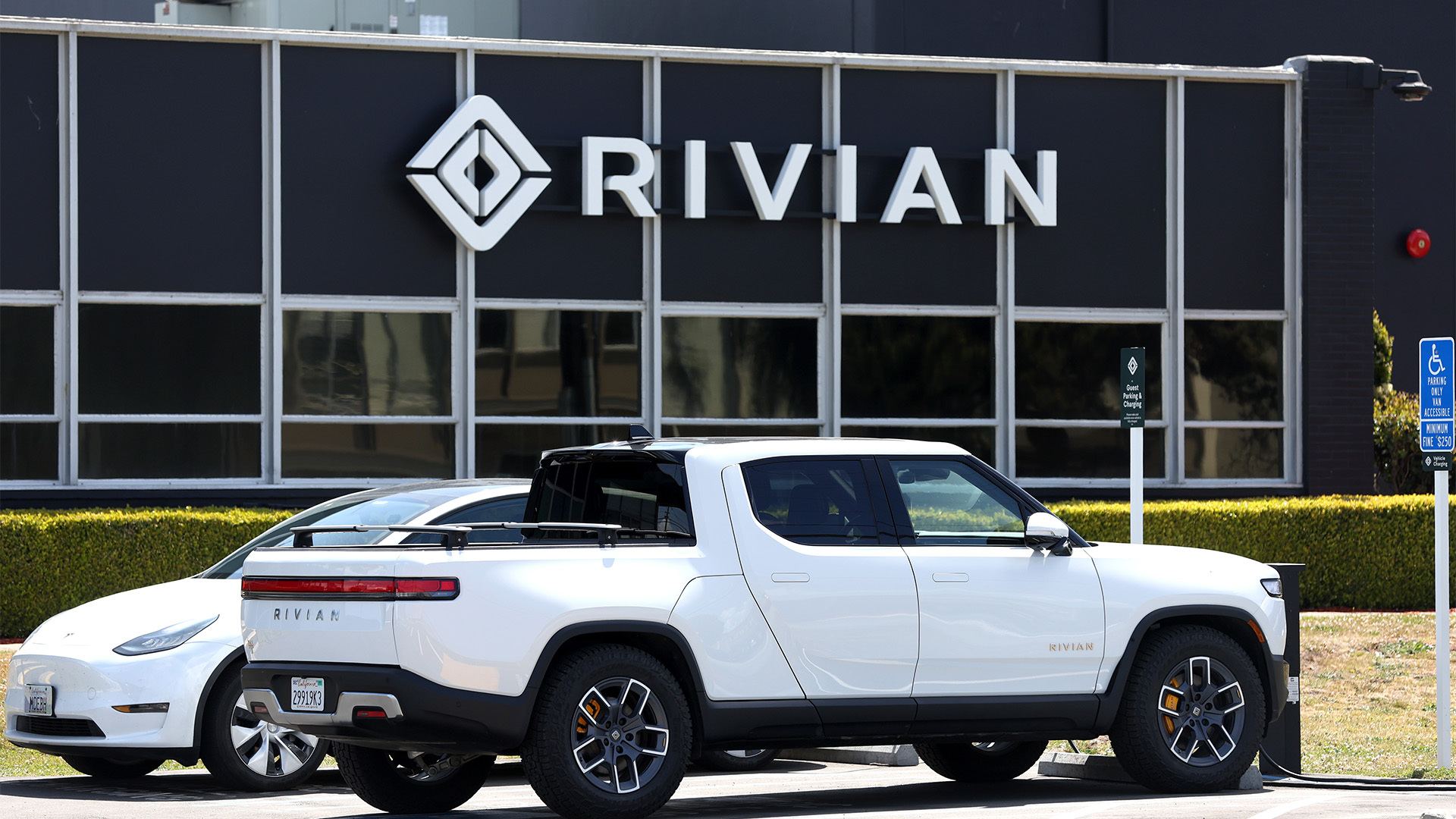
Rivian, which went public in late 2021 and has received substantial investments from companies like Amazon and Ford, has quickly become one of the most ambitious electric vehicle startups in the U.S. The company’s flagship R1T electric truck and R1S SUV have garnered attention for their performance, ruggedness, and eco-friendly design. However, Rivian has faced challenges in scaling production to meet demand, with supply chain disruptions and high production costs impacting its ability to fulfill orders.
The new Georgia facility, which will span over 2,000 acres, is expected to significantly increase Rivian’s production output. The company aims to produce hundreds of thousands of vehicles annually once the plant is fully operational, helping it to better compete with established EV players like Tesla, as well as other new entrants into the market.
Economic and Environmental Impact
In addition to creating thousands of jobs in manufacturing, construction, and supply chain operations, the factory is expected to provide a boost to Georgia’s broader economy. Local suppliers, vendors, and contractors will benefit from the increased demand for parts, materials, and services needed to support the plant’s operations.
Environmental advocates have also lauded the loan, with many seeing it as a critical step in reducing emissions from the transportation sector. According to the Environmental Protection Agency (EPA), the transportation industry is the largest source of greenhouse gas emissions in the U.S., accounting for nearly 30% of total emissions. By increasing the availability of electric vehicles, the loan aims to help drive down emissions from this critical sector.
“This investment is a win for the environment and for American workers,” said Gina McCarthy, former EPA Administrator and current President of the Natural Resources Defense Council. “The more we can transition away from gas-powered vehicles, the cleaner our air will be, and the more jobs we’ll create in industries that are shaping the future.”
Rivian’s Road Ahead
While the loan provides a much-needed financial boost, Rivian still faces significant challenges as it works to scale production and meet consumer demand. The company has reported delays in meeting its production targets in the past, and despite being a leader in the electric truck market, it is facing increasing competition from both legacy automakers and newer startups.
For Rivian, the Georgia factory will be a critical component in its long-term growth strategy. The facility is expected to begin operations in 2025, with plans to ramp up production throughout the following years. Rivian has also made commitments to use sustainable practices throughout the construction process, including sourcing renewable energy for the plant’s operations and utilizing eco-friendly materials in manufacturing.
A Bold Step Toward Clean Energy
The $6.6 billion loan is one of the largest federal investments in the electric vehicle sector to date, underscoring the Biden administration’s resolve to ensure that the U.S. remains a dominant force in the global transition to clean energy. Rivian’s plans for its new Georgia facility are expected to not only advance the company’s own ambitions but also help drive broader changes in the automotive industry and beyond.
As electric vehicle production ramps up and charging infrastructure expands, the U.S. is poised to make significant strides in reducing emissions, creating jobs, and transforming its economy for the clean energy future. Rivian’s new factory is just one piece of that larger puzzle, but it is a step that could have lasting effects on the nation’s automotive and environmental landscape.