
Nissan Motor Co. is urgently seeking new investors after a dramatic reduction in its largest shareholder’s stake, warning that it may have only 12 to 14 months to stabilize its financial situation and avoid long-term viability issues. The automaker’s struggles come as its long-time partner, French carmaker Renault, moves to reduce its ownership in Nissan as part of a broader restructuring and reevaluation of their longstanding alliance.
The announcement sent shockwaves through the automotive industry and financial markets, with analysts raising concerns about the future of the iconic Japanese brand, its global competitiveness, and its ongoing partnership with Renault. Shares in Nissan plummeted following the news, reflecting investor unease over the company’s ability to weather the storm without substantial financial support.
Renault’s Move: A Shift in the Alliance
For years, the Renault-Nissan-Mitsubishi Alliance has been one of the largest and most influential automotive partnerships in the world, with Renault holding a controlling 43% stake in Nissan. However, tensions have simmered between the two companies in recent years, exacerbated by the arrest of former Nissan chairman Carlos Ghosn in 2018 and Nissan’s declining profitability in the face of global market pressures.

Renault’s decision to reduce its stake in Nissan from 43% to 15% is a major turning point in the relationship, signaling a shift in priorities for both companies. The French automaker is selling much of its remaining Nissan shares to raise funds as it focuses on revitalizing its own operations and preparing for the future of electric vehicles (EVs) and autonomous driving technologies.
In a statement, Renault confirmed that the reduction of its stake was part of a broader strategic shift, aimed at “rebalancing” the alliance and allowing for greater autonomy for both companies. “This decision allows Renault to reposition its capital structure and focuses on achieving sustainable growth in its core markets,” the company said.
Nissan’s Urgent Plea: 12-14 Months to Act
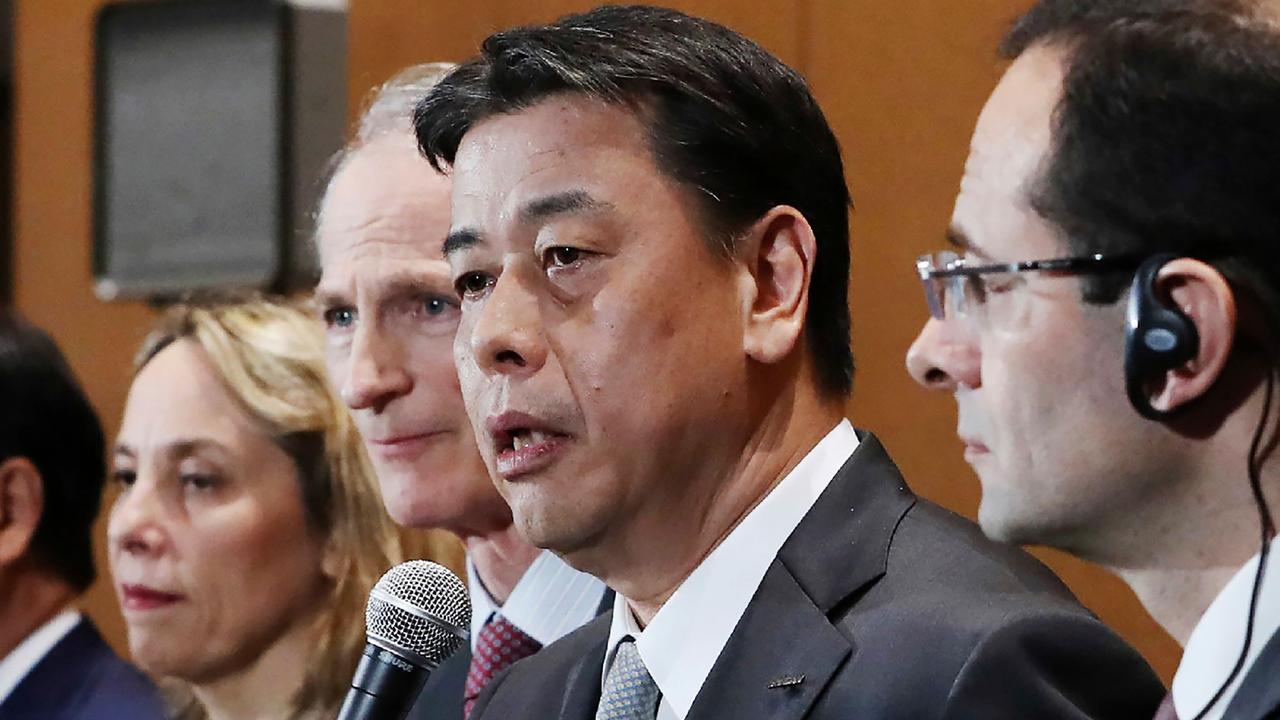
In a stark statement, Nissan’s CEO, Makoto Uchida, warned that the company now faces a critical financial situation. The company is seeking to secure new investors within the next 12 to 14 months to maintain its operations, preserve jobs, and continue its product development initiatives, including its transition to electric vehicles.
“The next 12 to 14 months will be a critical period for Nissan as we look to secure the capital and partnerships needed to stabilize the company and preserve our future in a rapidly changing automotive landscape,” Uchida said in a press conference following the news of Renault’s stake sale.
Nissan’s financial performance has been under pressure for several years, exacerbated by the COVID-19 pandemic, global chip shortages, and sluggish demand for traditional gasoline-powered vehicles. The company has also struggled with the rising costs of transitioning to electric vehicles, a challenge faced by many traditional automakers as they race to keep up with tech giants like Tesla and startups like Rivian and Lucid.
Industry analysts have pointed out that Nissan’s reliance on its partnership with Renault, along with its historically conservative approach to innovation, may have put it at a disadvantage compared to competitors. While other global automakers like Volkswagen and Toyota have made significant strides in EV technology, Nissan has faced setbacks in rolling out its own electric models and scaling production.
Investor Confidence Shaken
Nissan’s call for urgent financial support has raised concerns about the company’s long-term survival in a rapidly evolving automotive market. The company’s debt load is a significant issue, and it remains to be seen whether new investors will be willing to take on the risk associated with a company that has faced ongoing challenges in recent years.
“While Nissan remains a key player in the global automotive market, the company has struggled with profitability, brand perception, and adapting to the electric vehicle revolution,” said Takashi Usui, an automotive industry analyst at SMBC Nikko Securities. “The next 12 to 14 months will likely determine whether Nissan can continue to compete on the global stage or whether it will be forced into a merger or acquisition.”
Some experts have speculated that Nissan could look to merge with another automaker or form strategic alliances with tech companies to share the costs of EV development and digital transformation. The company’s longstanding partnership with Renault could provide a pathway to collaboration with other automakers, but the recent fallout from Renault’s stake reduction has created an uncertain path forward.
A Changing Landscape: The Future of the Alliance
The future of the Renault-Nissan alliance is now in question. The companies have already undergone significant restructuring in recent years, with Nissan shifting its focus toward more cost-efficient operations and a narrower product lineup. Meanwhile, Renault has been working to cut costs and refocus its efforts on electric vehicle development, especially in Europe, where regulatory pressure on emissions is forcing automakers to transition to cleaner vehicles.
As part of its new strategy, Renault is expected to increase its focus on its own EV portfolio, particularly in Europe and emerging markets. Meanwhile, Nissan has outlined plans to accelerate its electric vehicle rollout in the coming years, but without a major influx of capital, the company could struggle to meet its ambitious goals.
Analysts believe the next few months will be critical for Nissan as it attempts to secure financial support and explore potential partnerships or investments. The Japanese automaker is likely to engage with sovereign wealth funds, private equity firms, and other automakers to seek the capital needed to ensure its survival.
Looking Ahead
With the automotive industry undergoing a profound transformation driven by new technologies, stricter environmental regulations, and shifting consumer preferences, Nissan finds itself at a crossroads. The company’s survival will depend on its ability to navigate this challenging period, secure fresh capital, and adapt quickly to the new era of mobility.
Nissan’s request for urgent investment is a stark reminder of the pressures facing traditional automakers as they race to reinvent themselves in the face of disruption. If it fails to secure the backing it needs, the future of the Nissan brand, once a pillar of Japan’s automotive industry, may be in jeopardy.