The United States government is facing an unprecedented shutdown after a series of political and economic tensions came to a head over Elon Musk’s business operations in China. Lawmakers on both sides of the aisle are locked in a fierce standoff, with the shutdown triggered by a high-stakes dispute surrounding Musk’s Tesla and SpaceX factories in China. The dispute has ignited a political firestorm, with some calling it a national security issue and others defending it as a business decision critical to global economic stability.
The shutdown, set to begin at midnight, comes after Congress failed to pass a crucial spending bill due to the ongoing conflict over Musk’s business dealings in China. The controversy centers on Tesla’s production facilities in Shanghai and SpaceX’s joint ventures in the region, which some lawmakers argue are undermining U.S. interests and complicating national security concerns.
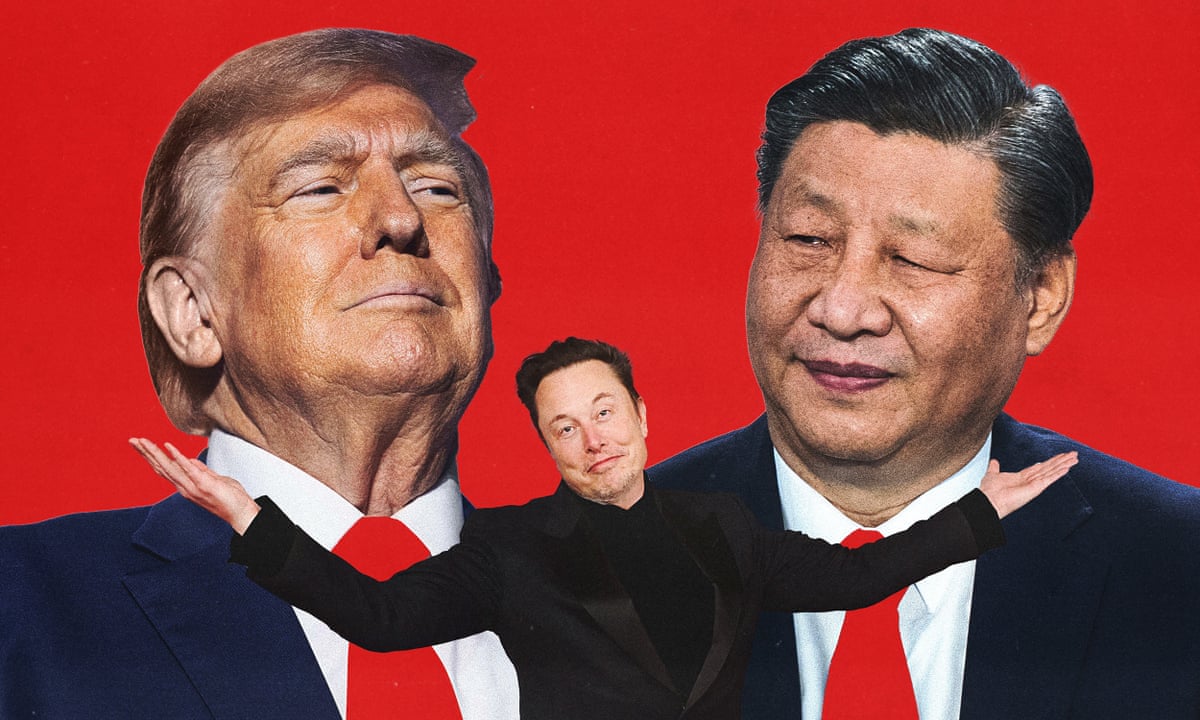
Elon Musk, the billionaire CEO of Tesla, SpaceX, and other ventures, has long maintained a controversial presence in China, one of the world’s largest and most important markets. Tesla’s Gigafactory in Shanghai, which began production in 2020, is crucial to the company’s global supply chain and its ambitions to lead the electric vehicle (EV) revolution. SpaceX, meanwhile, has benefited from Chinese partnerships for satellite launches and research.
However, Musk’s close ties to China have become a point of contention in recent months. Critics argue that his business operations in the country have placed U.S. interests at risk by giving China access to sensitive technologies and critical infrastructure. With rising tensions between Washington and Beijing over trade, technology, and military issues, Musk’s factories have come under increased scrutiny.
“We are facing a situation where American companies, even the largest ones, are willingly entangling themselves with a government that has been a consistent threat to our interests,” said Senator Margaret Evans (R-TX), one of the leading voices calling for action against Musk’s operations in China. “Elon Musk’s factories in China aren’t just business ventures — they are a direct security risk, and we cannot ignore that.”
The Shutdown Trigger: Budget Negotiations and Partisan Gridlock
The government shutdown itself was triggered by an impasse in the negotiations over the federal budget, where Musk’s China business dealings became a central point of contention. Democrats and Republicans alike have been divided on how to address the issue, with some advocating for punitive measures against Musk’s companies, while others argue that the government should avoid targeting private business interests in foreign markets.
The deadlock in Congress reached a boiling point when a proposal to add a provision restricting U.S. government contracts with companies that have significant operations in China was included in the spending bill. The provision, which would directly affect Tesla and SpaceX, was vehemently opposed by some Democratic and Republican lawmakers, who viewed it as overly aggressive and potentially harmful to American business interests abroad.
“I understand the concerns, but we cannot risk jeopardizing jobs, innovation, and the future of American leadership in the global economy,” said Senator Daniel Foster (D-CA). “We should be focused on protecting our technology and national security, not punishing private companies for being successful in China.”
Despite efforts to reach a compromise, the proposed budget failed to secure enough votes for passage, leading to the government’s imminent closure. As of now, federal agencies will be forced to suspend many services, affecting millions of Americans, including government employees, contractors, and citizens reliant on federal programs.
The Political Fallout
The political fallout from the shutdown has been swift and severe. President Joe Biden and House Speaker Kevin McCarthy have both called for swift resolution, but neither side appears willing to back down. The conflict over Musk’s factories is particularly sensitive given Musk’s high-profile position in both the tech world and as a public supporter of political causes in the U.S. His influence has only grown in recent years, leading some lawmakers to argue that his role in international business could undermine American interests in a time of geopolitical instability.
While some Republican lawmakers, particularly those aligned with pro-business factions, have expressed solidarity with Musk, others have voiced concerns over the growing influence of Chinese entities in global tech markets. Democrats, especially those from national security-focused constituencies, have been critical of Musk’s ties to the Chinese government and its role in global trade and military technology.
The issue has quickly become a key talking point in the upcoming 2024 presidential race, with candidates on both sides weighing in on how best to address U.S. relations with China and the role of American companies in foreign markets. Some have called for new policies that would limit business dealings with adversarial nations, while others emphasize the need for diplomatic engagement and economic cooperation.
Musk’s Response: Defending His Global Strategy
Elon Musk has been largely quiet on the political debate surrounding his factories in China, but his spokespeople have consistently defended his company’s operations as essential to Tesla’s growth and the global transition to sustainable energy. “Tesla’s operations in China are in line with international business practices and have created thousands of jobs both in the U.S. and abroad,” said a spokesperson for the company. “We remain committed to the principles of innovation, job creation, and economic development.”
Musk has also pointed out that Tesla’s operations in China help bring electric vehicles to one of the most important automotive markets in the world, providing a competitive edge for U.S. industry on the global stage.
“Tesla isn’t just a U.S. company — it’s a global company,” Musk said in a recent interview. “We can’t ignore markets where the future of transportation is unfolding. The goal is to accelerate the transition to sustainable energy, and China is a big part of that.”

As the clock ticks toward the government shutdown, the question remains: what will happen next? With no resolution in sight, the effects of the shutdown are already being felt in the markets, with stocks in defense contractors, tech companies, and government services showing signs of instability.
For Musk, Bezos, and other business leaders with ties to China, the next few weeks could be pivotal in shaping both their corporate strategies and their relationships with U.S. lawmakers. With national security concerns on the table and an election year approaching, the debate over the role of business in geopolitics is unlikely to die down anytime soon.
Whether this shutdown will ultimately serve as a wake-up call for a more restrictive approach to global business operations or a temporary obstacle remains unclear. However, it’s clear that Musk’s factories in China have become a flashpoint in a larger struggle over the future of American foreign policy, national security, and economic leadership.