In a striking reversal of the streaming boom that has gripped the entertainment industry for the past decade, new data reveals that Americans have dramatically reduced their spending on streaming services in 2024. According to a report from research firm MediaMetrics, consumers spent 23% less on streaming platforms compared to the previous year, signaling a shift in viewing habits and highlighting growing concerns over “stream fatigue.”
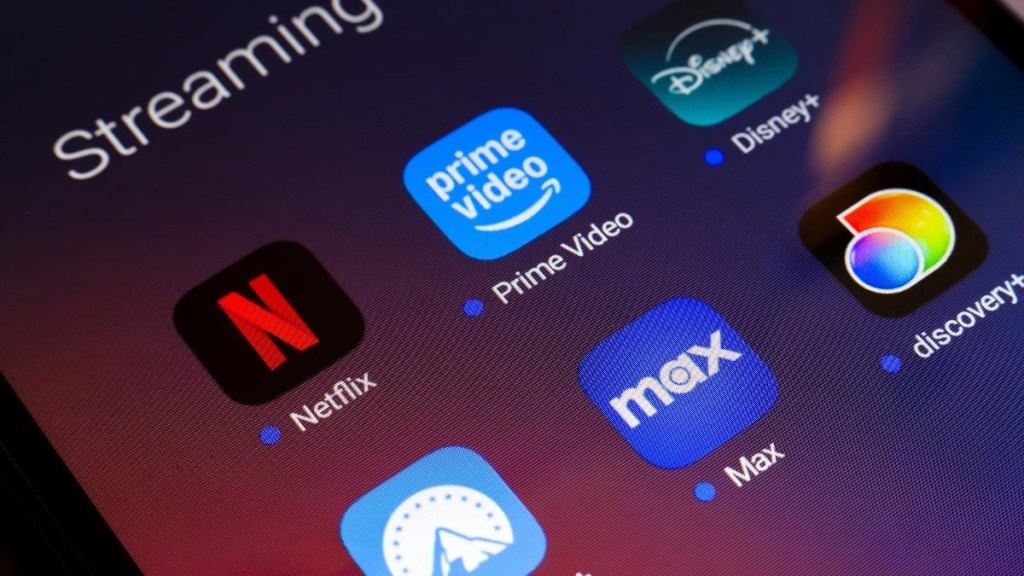
The study, which tracked subscription data and consumer behavior across leading platforms such as Netflix, Disney+, Hulu, Amazon Prime Video, and others, shows that an increasing number of viewers are becoming overwhelmed by the ever-growing number of services and the rising costs associated with them.
A Changing Landscape of Streaming Consumption
“2024 marks a significant turning point for the streaming industry,” said Rachel Williams, senior analyst at MediaMetrics. “Consumers are clearly reevaluating their subscriptions and making more discerning choices. With prices climbing and content options proliferating, many are feeling the strain, which is starting to show in their spending patterns.”
In the past few years, the popularity of streaming services exploded, with major players battling for dominance by launching exclusive content, bolstering subscription perks, and offering more personalized experiences. However, a growing sense of subscription fatigue appears to be settling in as consumers face a mounting number of options and increasingly complex pricing structures.
![100 Streaming Statistics & Trends for Advertisers [2024] | Tinuiti](https://tinuiti.com/wp-content/uploads/2023/02/50-Streaming-Statistics.webp)
The study cites multiple factors contributing to this decline in spending, including subscription price hikes and content fragmentation. For many consumers, subscribing to multiple services has become a financial burden, especially with the advent of “tiered” subscriptions and additional fees for premium content.
“Just a few years ago, it seemed like a no-brainer to pay for multiple streaming platforms,” said Tony Martinez, a consumer from Phoenix, Arizona. “Now, I’m looking at my bills and thinking, ‘Is it really worth it?’ I can only watch so many shows, and there’s a lot of overlap between the platforms. I’ve cut back on a few.”
In addition to rising prices, the growing trend of exclusive content on individual platforms has created a fragmented viewing experience. Popular series and movies are scattered across various services, leading to consumer frustration. For example, a hit show on Netflix may require a separate Disney+ subscription to access related content, while some sports events are locked behind platforms like Apple TV+ or Amazon Prime Video.
The Search for Simplicity and Value
As a result, many consumers are prioritizing platforms with the most compelling, all-encompassing offerings. According to MediaMetrics, the most successful platforms in 2024 were those that managed to bundle content, simplify subscription models, and keep prices competitive. Services like Amazon Prime Video and Disney+ have found success by integrating their offerings with other services—Amazon bundling its video service with its retail and shipping advantages, and Disney+ leveraging its vast library of content from Marvel, Star Wars, and Pixar.
Conversely, many niche streaming services saw their subscriber bases decline or stagnate as consumers opted for more comprehensive options. “The days of paying for individual streaming services for niche content are waning,” Williams added. “Consumers are increasingly looking for platforms that provide a broad range of content at a reasonable price.”
A Reflection of Broader Economic Pressures
The study also points to broader economic pressures influencing this shift. With inflation affecting household budgets and discretionary spending, many Americans are cutting back on non-essential expenses. Streaming services, once seen as affordable alternatives to traditional cable, are no longer perceived as a bargain when compared to rising costs in other areas of life.
“At the end of the day, entertainment is a luxury,” said economist Linda Simmons. “When people are tightening their belts, things like streaming subscriptions are often among the first to go.”
As the streaming industry faces this new reality, major platforms are adjusting their strategies. Some are exploring new pricing models, including ad-supported tiers and discounted bundles with other digital services, in hopes of winning back customers who may have canceled their subscriptions.
In addition, the success of live streaming and interactive media, such as gaming and live sports broadcasting, is beginning to challenge traditional on-demand video content. Companies like YouTube, Twitch, and even Apple TV+ have made significant investments in live programming, blurring the lines between traditional TV, on-demand video, and real-time media consumption.
Despite the challenges, experts believe streaming is far from dead. “What we’re seeing now is a market correction,” said Williams. “The streaming model isn’t going anywhere, but companies will have to adapt and find ways to provide better value, not just more content.”
For now, many consumers are taking a step back, questioning their subscriptions and demanding more for their money. As the streaming wars continue to evolve, the companies that can best navigate this new era of “stream fatigue” may be the ones to thrive in the years to come.