


Apple has agreed to settle a class-action lawsuit for $95 million after allegations surfaced that its virtual assistant, Siri, “unintentionally” recorded private conversations without user consent. The settlement follows an investigation that revealed the tech giant’s voice-activated assistant had been recording and transmitting audio from users’ private conversations to contractors, who were tasked with reviewing and improving Siri’s functionality.
The Allegations: Invasion of Privacy
The lawsuit, filed in 2024, accused Apple of violating user privacy rights by secretly collecting and storing voice data through Siri without explicit consent. According to plaintiffs, the recordings often involved sensitive and personal conversations that were not related to the activation of Siri. Users reported instances where Siri appeared to activate on its own, capturing private dialogues and transmitting them to Apple’s servers, where they were reviewed by human contractors.
While Siri is designed to activate only when prompted by voice commands like “Hey Siri,” the lawsuit claimed that the system mistakenly triggered during routine conversations and inadvertently recorded private moments. The plaintiffs allege that Apple failed to adequately disclose this behavior to users and did not provide sufficient control or transparency regarding what was being recorded and stored.
The suit also accused Apple of not taking enough measures to ensure that contractors reviewing the audio data were properly trained to handle sensitive information. The workers, who were reportedly located in various regions, allegedly had access to private conversations, some of which involved discussions of health, financial matters, and personal relationships.
Apple’s Response and Settlement
Apple has denied any intentional wrongdoing and maintains that the recordings were not meant for surveillance purposes. The company stated that the audio data was primarily used to improve Siri’s speech recognition and overall functionality. However, Apple acknowledged that the process was flawed and did not meet the standards expected of a company that handles vast amounts of user data.

In a statement, Apple emphasized that it took privacy concerns seriously and had made changes to its procedures in response to the incident. “We have always placed a strong emphasis on protecting our users’ privacy, and we recognize that certain practices related to Siri’s data collection were not fully aligned with that commitment,” said Apple’s Senior Vice President of Software Engineering, Craig Federighi. “This settlement is part of our ongoing efforts to ensure transparency and accountability in all our products and services.”
As part of the settlement, Apple has agreed to pay $95 million to resolve the lawsuit. The funds will be distributed to affected users who were part of the class-action suit, with each eligible claimant receiving compensation. The settlement also requires Apple to make significant changes to how it collects and processes Siri data, including providing clearer disclosures about data collection practices and enhancing user control over voice recordings.
Enhanced Privacy Measures Going Forward
Following the settlement, Apple has outlined several changes to Siri’s functionality to address user concerns. These measures include:
- Improved User Consent: Apple will implement more transparent consent mechanisms, ensuring users are fully aware of how and when Siri is activated and recorded.
- Data Anonymization: The company will enhance its efforts to anonymize voice data before it is processed by human contractors, with the aim of minimizing the risk of sensitive information being exposed.
- User Control: Apple will introduce a new feature that allows users to delete all Siri recordings with a single command, as well as a way to disable voice recording entirely.
- Limited Human Involvement: Apple has committed to reducing the involvement of human contractors in reviewing voice data, relying more on automated systems to handle speech recognition tasks.
Despite these changes, some privacy advocates argue that more oversight is needed to ensure that companies like Apple prioritize user privacy at every level of their operations. “This settlement is a step in the right direction, but the underlying issue remains: how do we trust tech companies with sensitive data?” said Jon Callas, a security expert and privacy advocate. “The use of voice assistants in homes and businesses brings new challenges, and we need more comprehensive regulation to prevent abuses of privacy in the future.”
A Broader Impact on the Industry
Apple’s $95 million settlement is the latest in a series of legal challenges faced by major tech companies over data privacy issues. The settlement also highlights the growing concerns over voice-activated devices, which have become increasingly common in homes, offices, and public spaces. Other tech giants, including Amazon and Google, have faced similar lawsuits and regulatory scrutiny over the use of voice data collected by their virtual assistants, Alexa and Google Assistant.
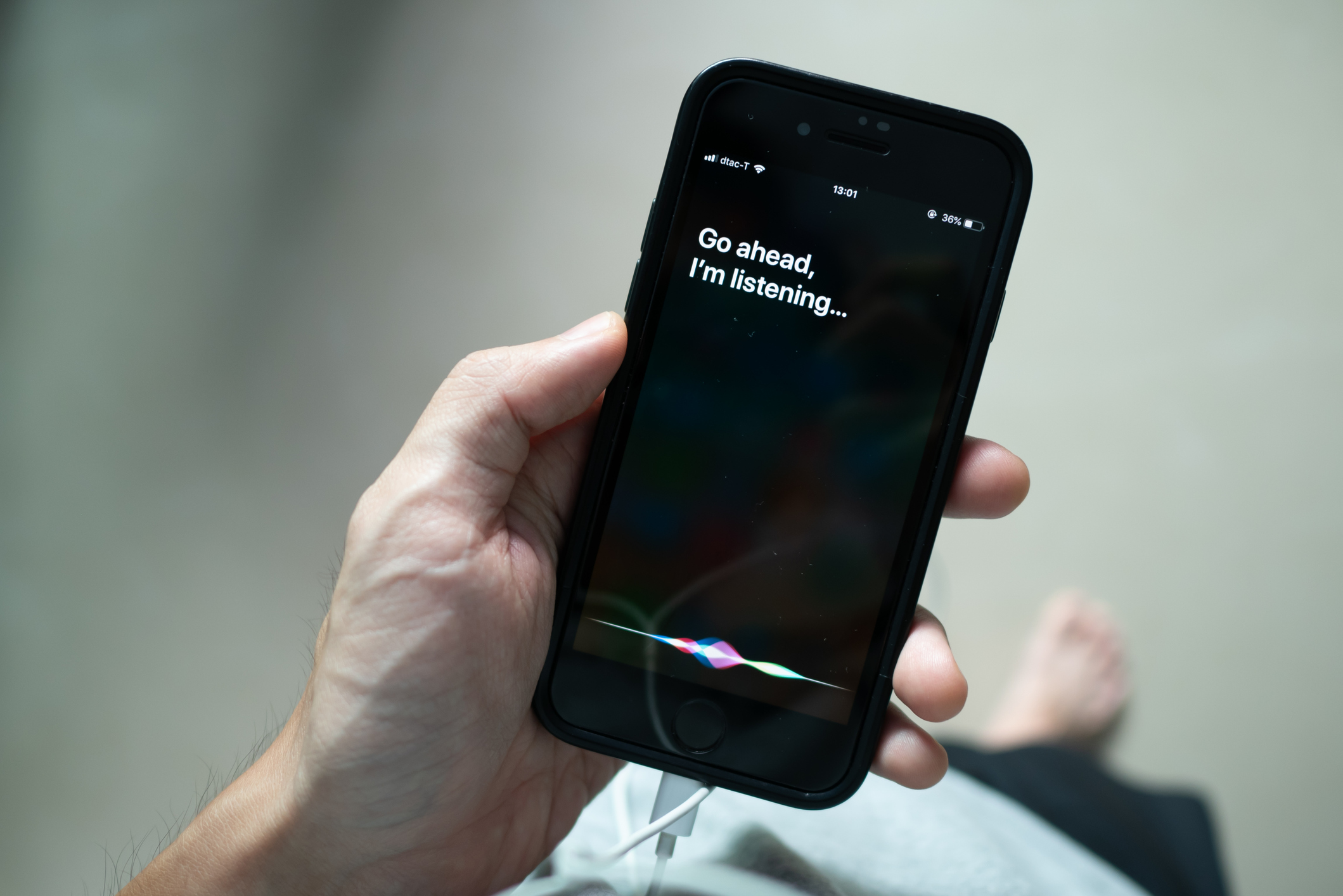
As the debate over privacy in the digital age continues to unfold, the outcome of this case may have broader implications for the way tech companies handle user data. Apple’s settlement may serve as a cautionary tale for other companies in the industry, urging them to reassess their data practices and prioritize user consent and transparency.
For now, Siri users can expect a heightened focus on privacy in future updates, but the fundamental question remains: how much trust can we place in virtual assistants that are always listening?






