A new analysis has revealed that the import tariffs imposed under former President Donald Trump’s administration could significantly increase the cost of laptops for American consumers — by as much as 68%. The projection, based on recent trade data and industry estimates, highlights the ongoing economic impact of tariffs on technology goods and raises concerns about the future affordability of consumer electronics.
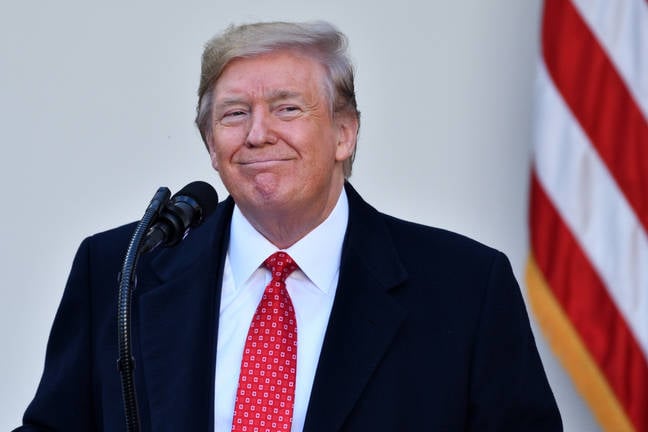
When President Trump implemented a series of tariffs on Chinese-made products in 2018 as part of his “America First” trade policy, technology manufacturers were among the hardest hit. Initially aimed at curbing China’s unfair trade practices and promoting U.S. manufacturing, the tariffs placed a 25% import tax on thousands of Chinese-made goods, including computers, smartphones, and other electronics.
Now, as the U.S. faces a growing economic recovery and an increasingly complex global supply chain, industry experts warn that these tariffs could have long-lasting effects on the prices of everyday products — with laptops being among the most affected.
The Price Spike Explained
According to a recent report by the Consumer Technology Association (CTA), a trade group representing major tech companies, the cost of an average laptop could rise by an estimated 68% if the current tariff structure is maintained. The rise in cost comes as a result of several factors: the tariff on imports of parts and finished goods, increased shipping costs, and the strain on manufacturers who rely on Chinese production.
“A laptop that costs $500 today could easily see its price jump to around $840 or higher if the full impact of the tariffs is passed on to consumers,” said David Hyman, the CTA’s senior economist. “This is not just a minor price hike — this is a substantial increase that will affect middle-class Americans who rely on affordable tech for work, education, and daily life.”
The tariff, which primarily targets products manufactured in China, applies to various components that go into making laptops, such as motherboards, processors, and display panels. Since most of the key components for laptops are still produced in China, the higher tariffs have led to increased production costs for tech companies, which they often pass on to consumers in the form of higher prices.
Supply Chain Challenges
Tech companies have already been grappling with supply chain disruptions since the onset of the COVID-19 pandemic. The pandemic-induced chip shortage, combined with the continued effects of tariffs, has led to a backlog in production and limited availability of key parts, further compounding the price hikes. Shipping costs have also skyrocketed, with container shipping rates jumping as much as 400% in some cases since 2020.
“Manufacturers are stuck between a rock and a hard place,” said Jessica Li, a global supply chain analyst at Gartner Research. “They have to contend with high tariffs on parts from China and escalating shipping costs, but they can’t just stop making products. So the costs get passed on to the consumer.”
To mitigate the damage, some companies have attempted to diversify their supply chains, moving production to countries like Vietnam, India, and Mexico, but those efforts have been slow and costly. The tariff burden is still being felt by American consumers, especially in sectors like consumer electronics, where the U.S. remains heavily dependent on Chinese manufacturing.
The Broader Economic Impact
The looming laptop price hike is part of a larger trend where goods affected by the Trump-era tariffs, such as smartphones, televisions, and computer accessories, have also seen significant price increases. While some sectors, like steel and aluminum, have benefited from the tariffs due to the protection of U.S. manufacturers, the tech sector has experienced the opposite effect.
“Consumers across the U.S. are going to feel this,” said Randy Wright, a tech analyst at Tech Insider. “Laptops are essential for work, school, and even entertainment, and the price increase could force many households to reconsider their spending. With inflation already straining budgets, this added cost is going to hit hard.”
According to a survey conducted by the CTA, nearly 60% of Americans say they are already concerned about rising costs in the tech sector. The tariff-induced price hikes are expected to exacerbate these concerns, especially as people turn to laptops for remote work, online learning, and personal use.
The Biden Administration’s Response
The Biden administration has taken some steps to ease the economic pressures caused by the tariffs. President Biden has indicated his desire to review and potentially roll back some of the trade policies enacted under the Trump administration, especially those that impact consumer goods.
However, Biden’s Trade Representative, Katherine Tai, has expressed caution about reversing the tariffs entirely, arguing that any changes must be carefully evaluated to protect U.S. workers and industries. In 2023, the Biden administration held a review of tariffs on Chinese imports but decided to keep many of them in place, citing national security concerns and China’s failure to meet certain trade commitments.
“We need a balanced approach,” said Tai during a press briefing last fall. “We have to ensure that the tariffs serve the interests of American workers while also considering the impact on consumers.”
Some trade experts argue that the tariffs could be a bargaining tool in future negotiations with China, but there is little consensus on how or when they may be adjusted. In the meantime, American consumers are left facing higher prices for essential tech products.
Looking Forward
With the U.S. economy continuing to recover from the impacts of the pandemic and inflationary pressures persisting, the question remains whether the tariffs on Chinese goods will continue to be a burden on American consumers. While some lawmakers and business leaders advocate for tariff reduction to ease the cost of living, others stand firm on maintaining the tariffs as part of a broader strategy to bring manufacturing back to the U.S.
For now, the rising cost of laptops and other consumer electronics is a stark reminder of the far-reaching consequences of trade policy — one that could affect millions of American households in the coming years.
As the debate over tariffs continues, one thing is clear: Americans will likely feel the pinch when it comes time to purchase their next laptop, with costs set to rise as much as 68% due to the ongoing trade policies.