TikTok’s fight to prevent a nationwide ban in the United States took center stage at the Supreme Court on Friday, with justices expressing skepticism and frustration over the platform’s security practices and its ties to China. The case, which has become a landmark in the ongoing debate over national security and tech regulation, could have far-reaching implications not only for the popular social media app but for the broader tech industry.
The nine justices spent over two hours questioning TikTok’s legal team, as well as government lawyers, on whether the platform poses a legitimate national security threat and if banning it would infringe upon free speech and privacy rights. The case stems from an executive order issued by the Biden administration last year, seeking to ban TikTok over fears that user data could be accessed by the Chinese government, given the app’s ownership by the Chinese tech company ByteDance.
Although TikTok’s legal team has mounted a vigorous defense, arguing that the app does not pose a unique or disproportionate threat to American security, the justices’ tough questions suggested that the path ahead may be difficult for the company.
National Security Concerns Dominate the Discussion
Much of the oral arguments revolved around the U.S. government’s argument that TikTok, due to its Chinese ownership, could be compelled to share data or manipulate content in ways that threaten American interests, particularly in areas of political influence and misinformation.

Justice Neil Gorsuch pressed TikTok’s lawyers on whether the app had implemented sufficient safeguards to ensure that user data, including potentially sensitive personal information, was secure from the Chinese government. “What steps have you taken to prevent the Chinese government from having access to this data?” Gorsuch asked, his tone skeptical.
TikTok’s lawyer, Josh Rosenkranz, responded that the company had taken extensive steps to mitigate such risks, including storing data on U.S. soil and establishing a separate data security team independent of its Chinese parent company. He argued that the app’s internal policies and transparency efforts rendered a ban unnecessary and overly broad.
However, several justices were unconvinced. Justice Clarence Thomas noted that even if TikTok’s security practices were robust, “the perception of foreign influence is a powerful one, and security concerns go beyond just the data being accessed.”
Justice Brett Kavanaugh also questioned the adequacy of TikTok’s assurances, referencing reports from U.S. intelligence agencies that raised alarms about the app’s potential role in “propaganda efforts” and its ability to harvest sensitive data.
First Amendment Concerns
On the flip side, TikTok’s lawyers argued that a ban would violate the First Amendment by restricting freedom of expression for millions of American users, many of whom rely on the platform for creative expression, business promotion, and political discourse.
Chief Justice John Roberts raised this point, asking government lawyers about the broader implications of blocking an app that has become integral to modern communication and entertainment. “What happens when we start limiting access to platforms simply because we are concerned about foreign influence?” Roberts asked, pointing out the broader dangers of government censorship.
Justice Elena Kagan also emphasized the importance of protecting free speech, noting that the First Amendment safeguards more than just traditional forms of speech but also newer forms, including social media platforms like TikTok. “We have to consider the potential chilling effect,” Kagan said. “If the government can ban a platform of this magnitude, where do we draw the line?”
Government attorney Elizabeth Prelogar countered that national security concerns outweigh free speech considerations in this case. “The U.S. has a compelling interest in protecting its citizens from foreign threats, especially in the digital age,” she argued. Prelogar also cited studies showing the risks of foreign influence on TikTok’s algorithmic recommendations, which can tailor content to users in ways that could undermine democratic processes.
Potential Implications for Tech Industry
While the case at hand focuses on TikTok, its outcome could set important precedents for the regulation of other tech platforms, particularly those with foreign ownership or connections. The justices’ questioning reflects broader concerns in Washington about tech giants’ power and the security risks posed by global data flows.
Experts note that the ruling could spur more government scrutiny of apps and platforms that originate outside the U.S. and have significant influence on American users.
“If the Supreme Court sides with the government, this could pave the way for more aggressive action against other foreign-owned tech platforms, especially those with potential national security implications,” said Dr. Kara McKinnon, a cybersecurity expert at the Brookings Institution. “It would likely lead to new laws aimed at protecting Americans from foreign threats through digital channels.”
Conversely, if the Court rules in favor of TikTok, it could provide a significant win for tech companies that argue for a more hands-off approach to regulation, particularly when it comes to free speech concerns.
A Divided Public
Public opinion on the TikTok ban is deeply divided. A 2024 poll from Gallup found that 52% of Americans supported a ban on TikTok, citing national security risks, while 44% opposed the ban, arguing that it would infringe upon free expression and limit access to a popular platform.
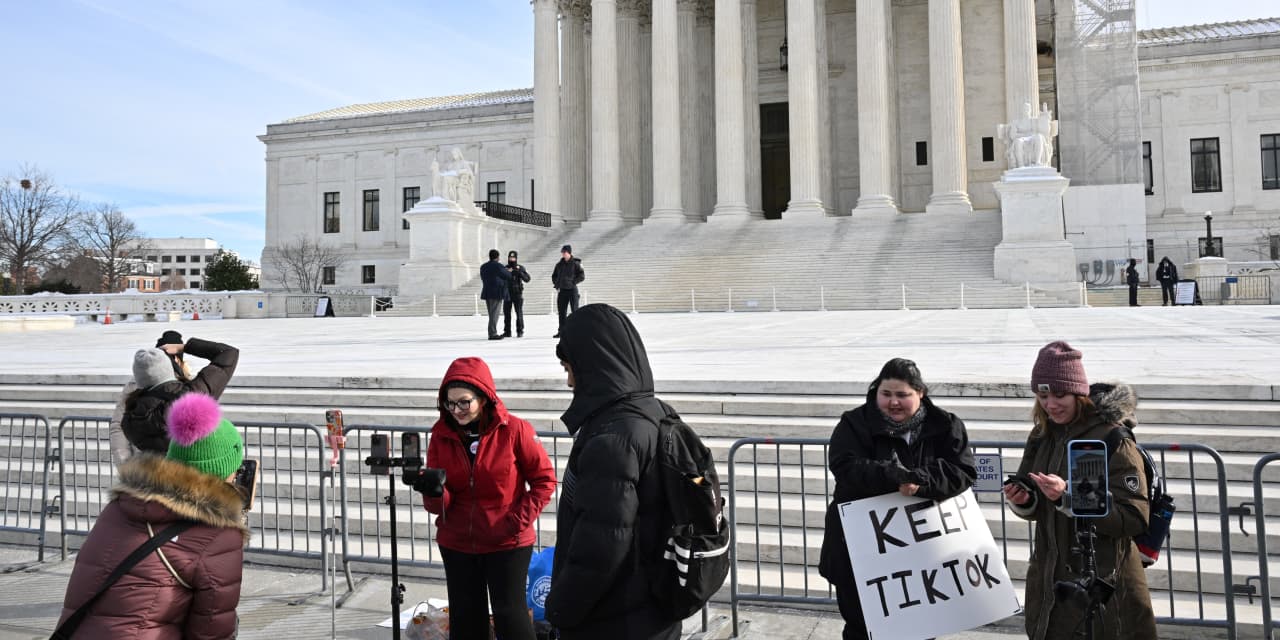
Youth advocates, many of whom rely on TikTok for social interaction and creative outlets, have rallied against the ban, calling it an overreach by the government. “TikTok has become more than just an app — it’s a space for expression, activism, and community,” said Sarah Lee, a 20-year-old college student and digital rights advocate. “Banning it would silence millions of voices.”
On the other hand, some national security experts argue that the potential risks of TikTok outweigh the cultural benefits, particularly when it comes to safeguarding sensitive data from foreign governments.
Looking Ahead
The Supreme Court’s decision in this case is expected to come in the next few months. If the Court sides with the Biden administration, TikTok could face a swift and sweeping ban in the United States, marking a historic moment in the ongoing battle between technology and national security. Conversely, a ruling in favor of TikTok could shift the debate to the regulatory future of global tech platforms, particularly in an era where data privacy and foreign influence are hot-button issues.
As the Court deliberates, all eyes remain on the justices, whose decision could shape the future of both social media and U.S. relations with China in the digital age.