In a landmark decision with far-reaching implications, the European Union’s highest court has ruled that Apple Inc. must pay €13 billion in back taxes to Ireland. The ruling marks a significant victory for the European Commission in its long-running battle against tax avoidance and has raised questions about the tax practices of multinational corporations.
The Court of Justice of the European Union (CJEU) delivered its ruling today, concluding that Apple benefited from illegal state aid through favorable tax arrangements with Ireland. The court’s decision upholds a previous ruling by the European Commission, which found that Ireland’s tax arrangements with Apple constituted an unfair advantage and violated EU state aid rules.
In a statement following the ruling, European Commission President Ursula von der Leyen emphasized the importance of ensuring fair taxation. “Today’s decision reaffirms that companies must pay their fair share of taxes and that state aid must not distort competition,” von der Leyen said. “We are committed to a fair and level playing field for all businesses in the European Union.”

The case dates back to 2016 when the European Commission initially ordered Apple to pay €13 billion in back taxes, plus interest, arguing that the company’s tax deals with Ireland allowed it to pay significantly lower taxes than other businesses. The Commission’s investigation revealed that Apple’s effective tax rate in Ireland was as low as 0.005% on profits in some years, compared to the standard corporate tax rate of 12.5%.
Apple had contested the decision, arguing that the Commission’s ruling was flawed and that the company had not received special treatment from Ireland. The tech giant maintained that it had complied with all applicable laws and regulations. Apple also contended that the ruling could have negative consequences for the broader business environment and investment climate in Europe.
In response to the ruling, Apple issued a statement expressing disappointment and signaling its intention to appeal. “We are deeply disappointed by today’s ruling, which we believe is not supported by the facts or the law,” said Apple’s Chief Financial Officer, Luca Maestri. “We will be reviewing our options for appeal and remain committed to complying with all tax laws in the jurisdictions where we operate.”
The ruling has significant implications for Apple and other multinational corporations. It underscores the EU’s commitment to enforcing its state aid rules and addressing concerns about tax avoidance. The decision also highlights the growing scrutiny faced by large corporations regarding their tax practices and the need for transparency and fairness in international taxation.
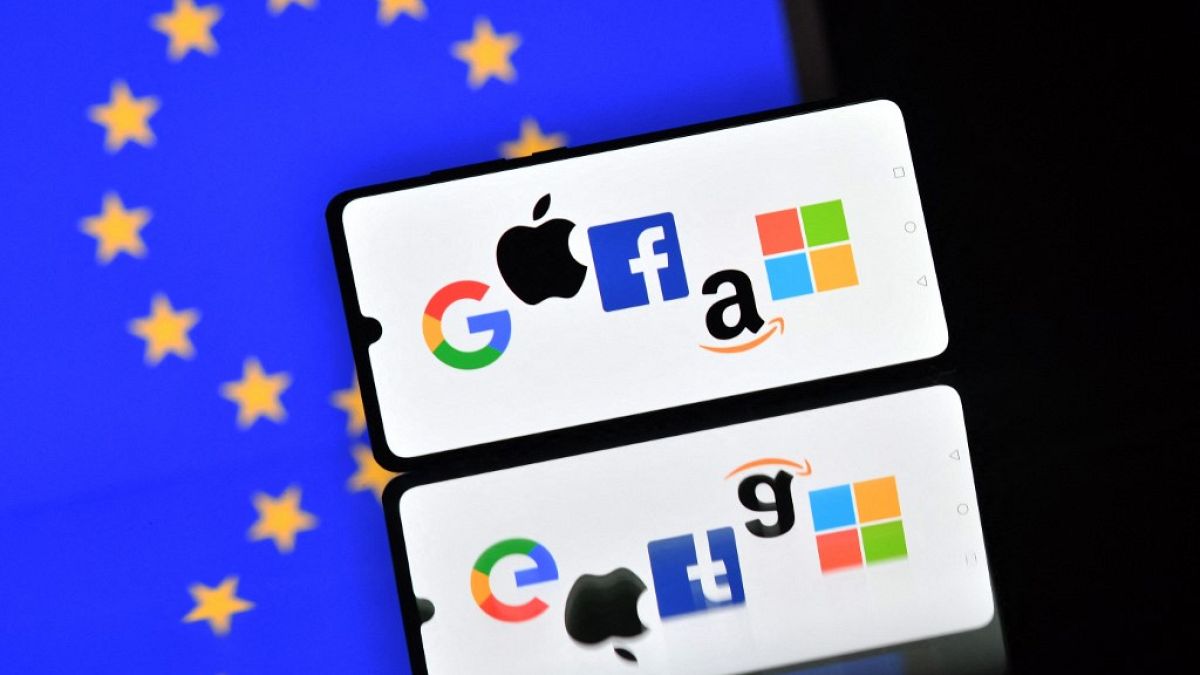
Economists and legal experts have noted that the ruling could have broader repercussions for global tax policies. “This decision could set a precedent for how tax arrangements are evaluated and challenged within the EU,” said Dr. Markus Schmidt, a tax law expert at the University of Brussels. “It may prompt other countries and companies to reassess their tax practices and seek greater clarity on state aid rules.”
The €13 billion payment is expected to have a significant impact on Apple’s financials, though the company has substantial resources and revenue streams to absorb the cost. The funds are intended to be paid to Ireland, which will then be distributed to the EU member states affected by the tax irregularities.
As the legal process continues, the focus will remain on how Apple and other multinational corporations navigate the evolving landscape of international taxation and regulatory compliance. The EU’s determination to enforce fair tax practices signals a shift towards greater accountability and transparency in global business operations.