In a decisive move to protect state security and data privacy, Texas Governor Mark Davis has issued an executive order banning the use of the controversial AI-powered search engine, DeepSeek, on all state government devices. The ban comes after a series of troubling safety test results revealed significant vulnerabilities in DeepSeek’s data privacy protections, algorithmic bias, and susceptibility to misuse—issues that could potentially jeopardize both public safety and the integrity of government operations.
A Swift Response to Growing Concerns
Governor Davis’s order, announced late Thursday evening, directs all state agencies to immediately cease the use of DeepSeek on any government-issued devices, including computers, smartphones, and tablets. The decision follows extensive reports from cybersecurity experts and researchers who have raised alarms about the AI’s failure to meet essential safety and ethical standards.
“Protecting the security and privacy of Texas citizens is my top priority, and I will not allow state agencies to be vulnerable to compromised or unsafe technologies,” Governor Davis said in a statement. “While we are committed to embracing innovation, we cannot sacrifice our citizens’ trust in the name of technological progress.”
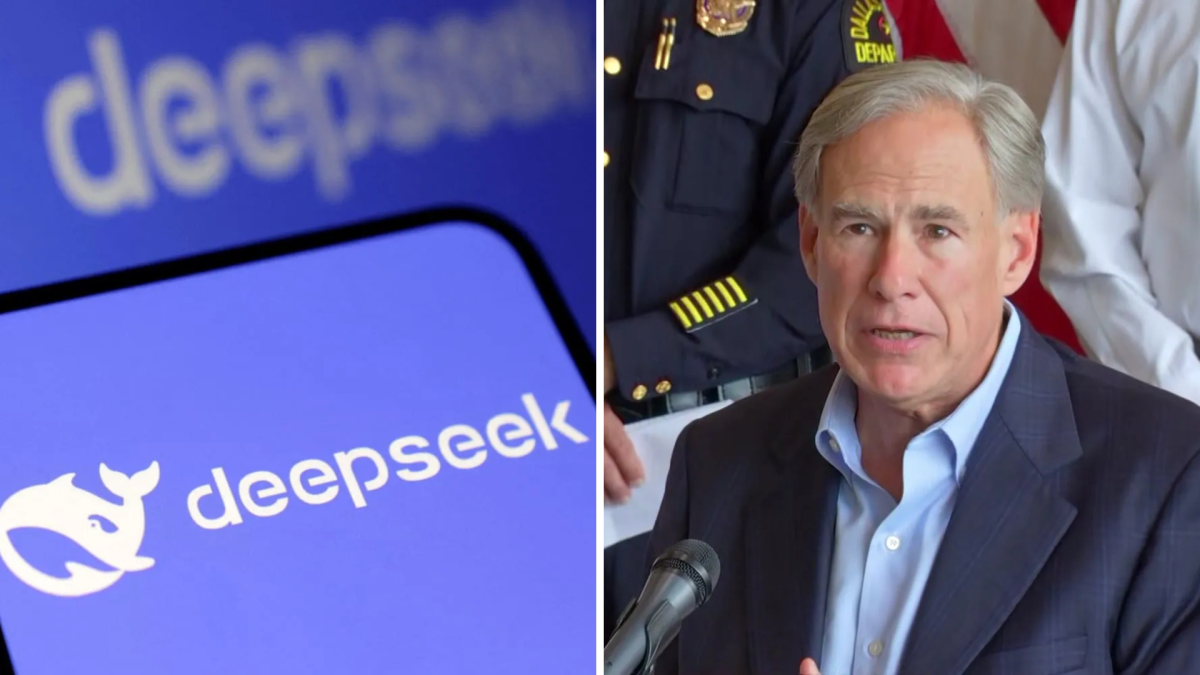
DeepSeek, developed by the tech giant CoreTech, has been marketed as a next-generation search engine designed to enhance efficiency and precision in finding information online. However, the system’s recent safety audit, conducted by independent researchers, found critical flaws in how it handles sensitive data, exposes users to potential cyber threats, and can be manipulated for malicious purposes. The findings have sparked a wave of concern across the U.S. about the broader implications of using unvetted AI systems in government and other sensitive sectors.
Key Findings Fueling the Ban
The ban follows a detailed report from the AI Ethics and Safety Consortium (AESC), which conducted a series of safety tests on DeepSeek. Among the most concerning revelations were:
- Data Privacy Failures: DeepSeek’s encryption protocols were found to be insufficient, potentially exposing user data, including search histories and personal information, to unauthorized third parties. The tests revealed a risk of data leakage, violating best practices for user confidentiality.
- Bias and Misinformation: The system’s search results showed a clear pattern of bias, often ranking politically or ideologically skewed content higher than neutral, fact-based sources. This raises concerns about DeepSeek’s potential to spread misinformation and further polarize public opinion.
- Increased Vulnerability to Cyberattacks: The platform’s failure to adequately filter harmful content, including hate speech and disinformation, was another major issue. Researchers also demonstrated how the system could be exploited to push harmful narratives or manipulate public opinion.
- Lack of Safeguards Against Misuse: DeepSeek’s susceptibility to manipulation by bad actors, including the possibility of orchestrating coordinated misinformation campaigns, was also highlighted in the report. This vulnerability poses a threat to government communications and national security.
Impact on Texas Government Operations
The Texas government has long been a leader in adopting emerging technologies, but with this ban, it is sending a strong message about the importance of cybersecurity and ethical AI use. Officials say that government employees will be required to switch to alternative search tools that have been vetted for safety and compliance with state privacy laws.
“We must ensure that our state’s digital infrastructure remains secure,” said Daniel Rivera, Texas’ Chief Information Security Officer. “DeepSeek’s weaknesses undermine our ability to protect critical state data, and we cannot afford to take unnecessary risks with tools that fail to meet even the most basic standards of security and ethics.”
The ban could have a wide-reaching impact, as many local government agencies, educational institutions, and even healthcare providers had adopted DeepSeek as a productivity tool. In response to the executive order, officials in several Texas cities and municipalities are already working to find compliant alternatives.
CoreTech Responds
CoreTech, the parent company behind DeepSeek, has pushed back against the ban, asserting that the findings of the safety tests were either exaggerated or taken out of context. In a statement issued following the Texas Governor’s announcement, the company defended the system’s capabilities and insisted that it was continuously working to improve its safety features.
“DeepSeek is a tool that millions of users rely on for everyday tasks, and we remain committed to addressing any concerns raised by independent auditors,” said Dr. Evelyn Marks, CoreTech’s Chief Technology Officer. “We’re in active discussions with the Texas government to resolve any misunderstandings and to demonstrate that DeepSeek is both secure and trustworthy.”
Despite CoreTech’s reassurances, the company has not yet provided a clear timeline for when the identified issues will be addressed. Governor Davis’s office has indicated that the ban will remain in place until the company can provide concrete evidence of the system’s security and ethical integrity.
A Turning Point for AI Regulation
Texas’ ban on DeepSeek is seen by many as a significant moment in the ongoing debate over the regulation of artificial intelligence. As AI technology becomes increasingly integrated into everyday life, the lack of effective oversight has led to growing concerns about the potential consequences of relying on untested or unsafe systems, particularly in sectors as critical as government and national security.

“The Texas government’s decision is a clear indication that AI must be developed and deployed responsibly,” said Dr. Fiona Lee, a researcher in AI ethics at MIT. “This is a wake-up call for tech companies and policymakers alike. There is no room for cutting corners when it comes to ensuring the safety, fairness, and transparency of AI systems that impact public life.”
The Texas move is also part of a broader push for stronger regulations at both the state and federal levels. The European Union has already begun implementing comprehensive AI safety standards, and experts argue that the U.S. must follow suit to avoid the dangers posed by unregulated AI development.
Looking Ahead
As Texas implements the ban, other states may follow suit, particularly as concerns about AI safety and ethics continue to grow. Governor Davis has called on other state leaders to collaborate in establishing more robust regulatory frameworks for AI technologies, ensuring that the public interest remains at the forefront of technological development.
“We need a national conversation about how to create and enforce standards for AI that prioritize the safety of our citizens, the integrity of our institutions, and the ethical use of technology,” Davis said. “It’s time for a clear, unified approach to AI governance.”