Former President Donald Trump, in a major economic policy statement this week, revealed that if he were to return to office in 2025, he would introduce 25% tariffs on automobiles, pharmaceuticals, and semiconductor chips. The move aims to protect American industries and reduce dependency on foreign imports in these critical sectors.
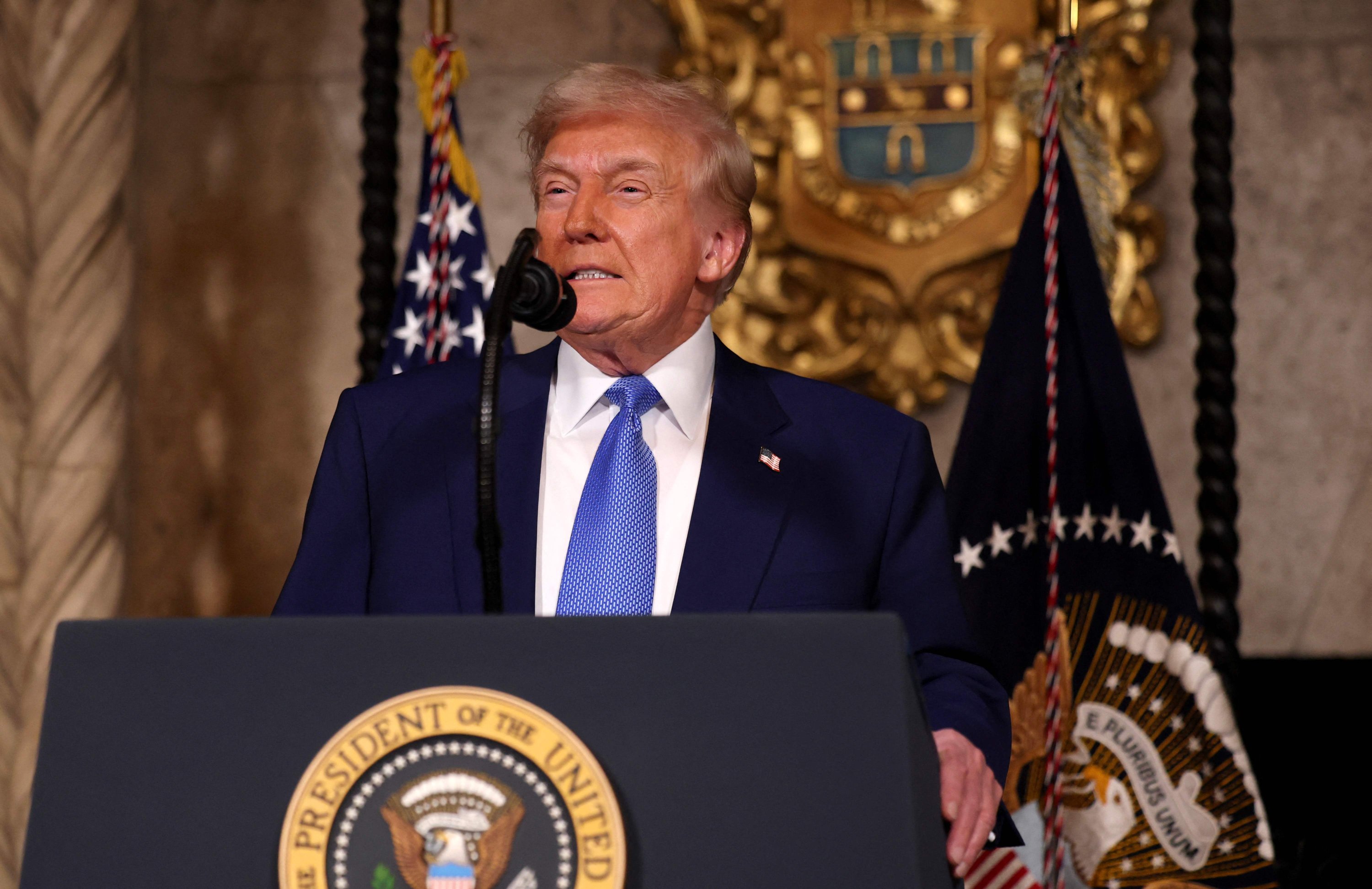
Speaking at a rally in Pennsylvania, Trump emphasized his “America First” agenda, arguing that the tariffs would benefit American workers, reduce trade imbalances, and bolster U.S. manufacturing capabilities. “We need to stop letting other countries take advantage of our economy. The American people deserve better. These tariffs are essential to making America great again,” Trump said.
The tariffs would target key industries that have long relied on global supply chains, especially in the face of geopolitical tensions and economic disruptions. In particular, the automotive industry, which relies heavily on parts and materials from abroad, could face rising costs, while the pharmaceutical sector has been dealing with increasing competition from overseas manufacturers. The semiconductor chip industry, which plays a critical role in modern technology, has also been under scrutiny due to its concentration in countries like Taiwan and China.
Trump’s statement outlined that the new tariffs would be implemented on both imported finished goods, such as cars, and on raw materials and components, including pharmaceutical ingredients and chip components. The proposed tariffs would be designed to incentivize domestic production, making it more cost-effective for American companies to source materials and manufacture products at home rather than abroad.
Industry leaders have expressed concerns about the impact the tariffs could have on prices and supply chains. Automobile manufacturers, in particular, have warned that a tariff on imported parts could lead to higher prices for consumers and slow down production timelines. Pharmaceutical companies, which depend on international suppliers for critical ingredients, have cautioned that the move could lead to shortages and price hikes on essential medications.
In response, Trump countered that the long-term benefits would outweigh any temporary disruptions. “We’ve been too reliant on foreign countries for too long,” he said. “The American worker will thrive once we bring these jobs back to our shores.”
The proposal has sparked a renewed debate on protectionist policies and their potential effects on global trade. While Trump’s supporters argue that these tariffs will bring much-needed jobs and investment back to the U.S., critics warn that such an aggressive approach could lead to retaliatory tariffs from other nations, further escalating trade wars and damaging the global economy.
Economic analysts predict that implementing such sweeping tariffs could have a significant impact on global markets. In particular, they note that the automotive, pharmaceutical, and technology sectors are highly interconnected with international supply chains. Disruptions in these areas could ripple through the global economy, causing unforeseen consequences for businesses and consumers alike.

The Biden administration, which has generally supported more collaborative trade policies and multilateral agreements, has yet to officially respond to Trump’s latest proposal. However, officials within the administration have previously voiced concerns about the risks of protectionist trade measures and the potential for strained relationships with trading partners.
As the 2025 election approaches, Trump’s trade policy continues to be a central issue in his campaign. His supporters view the tariff plan as a bold step toward reinvigorating the American economy, while opponents argue that it could lead to unintended economic turmoil.
With the potential for widespread repercussions, the proposal is likely to spark intense debate in Washington and across the globe as it continues to shape the discourse leading up to the next presidential election.