In the ever-escalating global race to dominate artificial intelligence, U.S.-based tech startup DeepSeek is racing to launch its highly anticipated next-generation AI model. This move comes as China’s government and tech giants ramp up their investments and efforts to lead the AI revolution, triggering a new wave of competition that could reshape the technological landscape.
China’s AI Ambitions Fuel Global Rivalry
Over the past year, China has committed to massive funding and strategic initiatives aimed at becoming the world leader in AI by 2030. Beijing has poured billions of dollars into state-backed AI projects, established international partnerships, and fast-tracked policies to encourage research and development. The country is particularly focused on areas like natural language processing, machine learning, autonomous systems, and AI-powered healthcare.

The Chinese government has outlined a roadmap to ensure AI dominates every sector of the economy, from manufacturing to military technology, creating a sense of urgency for Western firms to respond. In addition, companies like Baidu, Alibaba, and Tencent are pouring significant resources into their own AI models, pushing the boundaries of innovation.
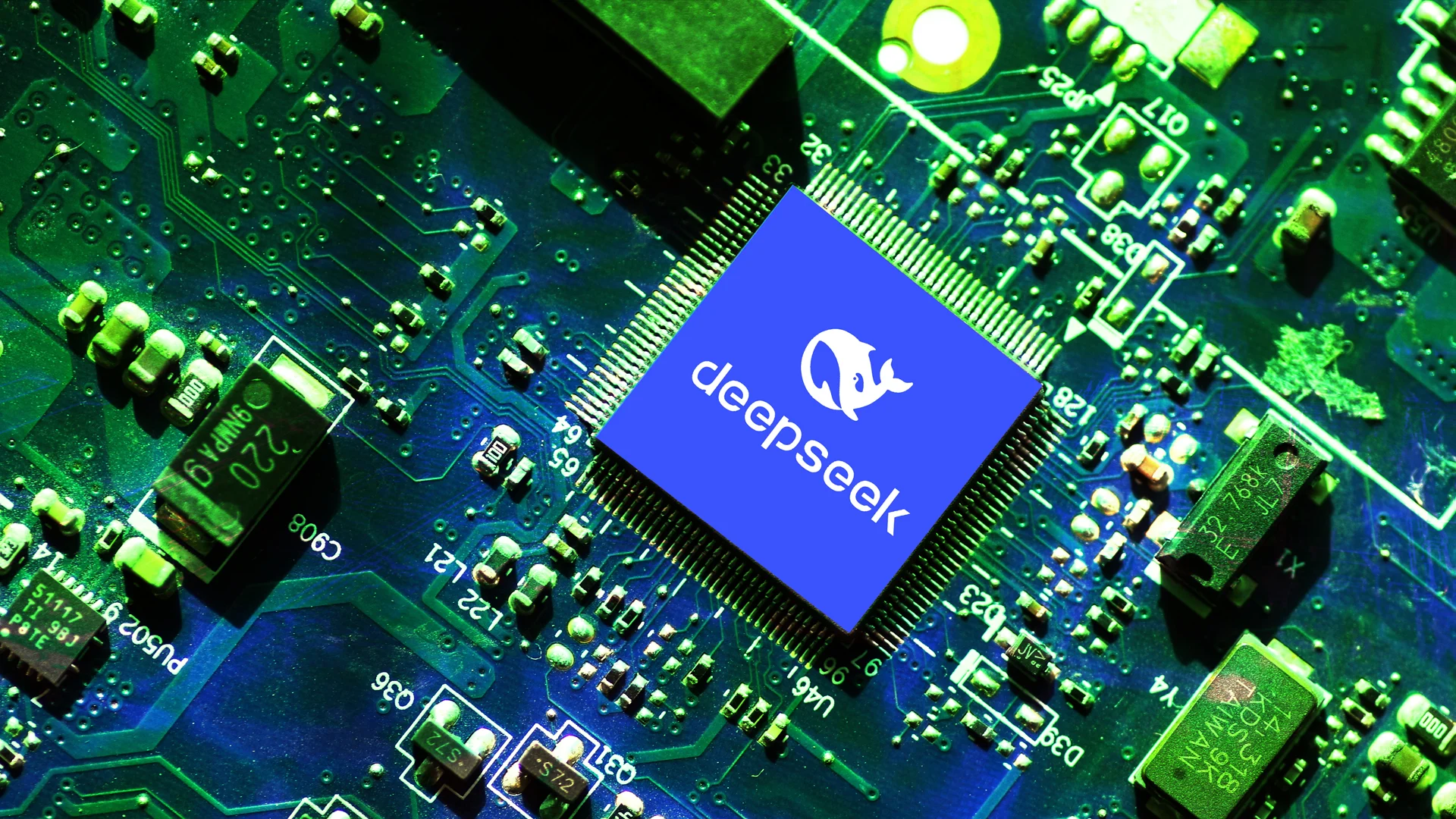
As the competition intensifies, DeepSeek—known for its expertise in advanced deep learning models—is scrambling to accelerate the release of its new AI model, which promises breakthroughs in everything from autonomous vehicles to predictive analytics.
DeepSeek’s “X-Model”: A Game Changer?
DeepSeek’s forthcoming AI model, dubbed the “X-Model,” has been generating buzz among experts and industry insiders. While details about the model remain under wraps, sources familiar with the project claim that it will offer significant improvements over current models, with enhanced capabilities in natural language understanding, predictive accuracy, and adaptability in complex environments.
The startup has reportedly been working on the X-Model for the past two years, and with China’s rapidly advancing AI initiatives, the pressure to release it has reached a fever pitch. DeepSeek’s CEO, Julian Tan, expressed urgency in a statement to the press, calling the situation “critical for the future of American innovation.”
“We’ve reached a pivotal moment in the AI race,” Tan said. “As China moves aggressively to leverage AI across industries, we cannot afford to fall behind. The X-Model represents our response to that challenge—an AI system that can learn faster, think more intelligently, and make decisions with unprecedented precision.”
Key Features and Industry Implications
While specifics of the X-Model are still speculative, analysts believe it will incorporate several cutting-edge technologies that set it apart from previous iterations of AI. These features may include:
- Adaptive Learning Algorithms: Allowing the AI to continuously learn and evolve in real-time, improving decision-making and efficiency across various sectors.
- Quantum Computing Integration: Potential use of quantum computing to process vast amounts of data more rapidly than current classical systems, unlocking faster and more accurate results.
- Ethical AI Frameworks: Addressing growing concerns about AI bias and decision-making transparency, the X-Model is expected to incorporate new ethical guidelines to ensure fairness and equity.
Experts predict that the new AI model could dramatically impact fields such as healthcare, defense, and finance. DeepSeek’s anticipated breakthrough could provide a critical advantage for industries already seeking to incorporate AI-driven solutions for problem-solving and automation. In particular, sectors like autonomous driving, cybersecurity, and predictive healthcare may see transformative shifts.
The Chinese AI Juggernaut
As DeepSeek pushes forward, China’s AI ambitions remain a looming force. The Chinese government has rolled out ambitious strategies, including the “AI Superpower” plan, designed to bolster research and development across various AI sectors. The plan includes a push for quantum computing, 5G integration, and even AI-powered military systems.
Chinese companies like Baidu, which has developed its own AI chatbot and driverless car technology, and SenseTime, which specializes in facial recognition technology, are positioning themselves to challenge Silicon Valley giants like Google, Microsoft, and DeepSeek itself.
In recent months, China’s investments in AI have garnered attention not only in tech circles but also on the geopolitical stage. The country’s rapid advancements in AI capabilities have raised alarms in Washington, with some experts warning that a technological cold war may be on the horizon.
DeepSeek’s Strategic Response
In response to these challenges, DeepSeek has accelerated its AI development efforts, seeking both private investment and public partnerships to fund the X-Model’s launch. The company is also forging collaborations with U.S. government agencies, hoping to ensure that the AI landscape remains balanced and competitive.
However, DeepSeek’s push to release its new AI model is not without challenges. The company faces mounting competition not just from China, but also from well-established players like Google DeepMind, Microsoft, and OpenAI. All of these companies are also preparing for the next generation of AI, which has led to a highly competitive environment where only the most advanced systems will remain relevant.
Julian Tan acknowledged that the global AI race is fierce but emphasized that the X-Model has the potential to maintain the U.S.’s leadership in AI innovation. “We’re not just competing for market share,” Tan said. “We’re competing for the future of technology itself. The X-Model is our contribution to ensuring that America remains at the forefront.”
Conclusion
With China going all in on artificial intelligence and companies worldwide striving to outpace one another, the launch of DeepSeek’s X-Model could be a turning point in the ongoing battle for AI supremacy. Whether or not the X-Model can live up to its promises remains to be seen, but it’s clear that the AI arms race is intensifying, and every move will have long-term implications for the global tech landscape.
As the world watches, one thing is certain: AI will continue to be a defining force of the 21st century, shaping everything from global economies to daily life.