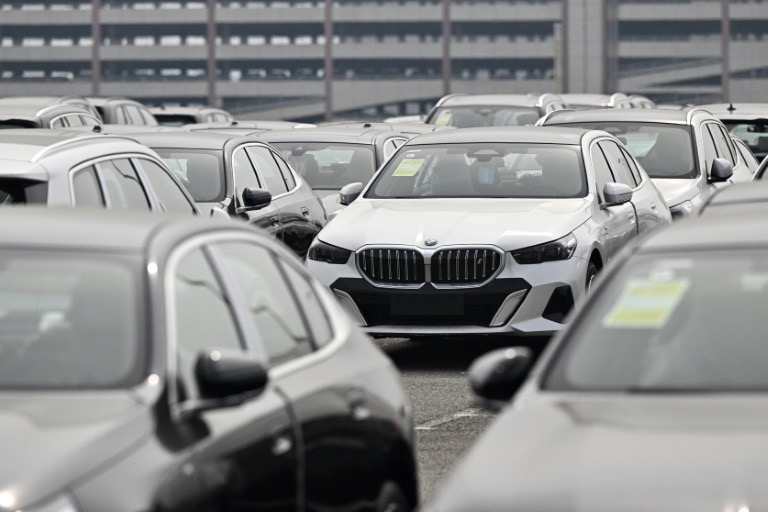
In a surprising shift, Tesla’s vehicle sales have dropped 35% in San Diego County over the past quarter, marking a significant decline for the electric car manufacturer in one of California’s largest and most lucrative markets. The decrease in sales, which represents a sharp contrast to the company’s traditionally strong performance in the region, has raised questions about the future of the electric vehicle (EV) market in Southern California.
Decline in Tesla’s Market Share
Tesla’s vehicles have long been a staple on the streets of San Diego, with their distinctive design and the company’s reputation for cutting-edge technology making them a top choice for environmentally conscious consumers. However, recent figures reveal that the electric carmaker has faced a notable downturn in both sales and market share.
The 35% drop in sales from the previous quarter has taken many analysts by surprise, as Tesla has continued to push its vehicles as affordable, sustainable alternatives to gasoline-powered cars. Local car dealerships and EV analysts suggest a few key reasons behind the downturn.

Rising Competition from Rivals
One of the primary reasons cited for Tesla’s dip in sales is the intensifying competition in the electric vehicle market. While Tesla once held a dominant position in the EV space, other manufacturers have ramped up their offerings in recent months. Brands like Rivian, Ford, and Lucid Motors have introduced new, appealing models that are drawing consumers away from Tesla, particularly as these brands offer similar price points and cutting-edge technology.
Ford’s electric Mustang Mach-E and the Rivian R1T truck, for example, have gained significant traction in the San Diego market, offering alternatives with unique features that have resonated with local buyers.
Additionally, Tesla’s pricing strategy has come under scrutiny as rising vehicle prices and a decrease in available federal tax incentives have made Tesla’s offerings more expensive compared to rival brands. This pricing shift has led some prospective buyers to reconsider their options, particularly in a market where consumers are becoming increasingly price-conscious.
Supply Chain Struggles
Another factor contributing to Tesla’s sales dip is the ongoing global supply chain challenges. The automotive industry has struggled with semiconductor shortages and logistics disruptions in the past few years, and these issues have affected Tesla as well. Local dealerships in San Diego have reported extended wait times for some Tesla models, particularly the Model 3 and Model Y, which have traditionally been the company’s best sellers. These delays have caused frustration among potential customers, prompting some to opt for other available electric vehicle options.
Local Consumer Preferences and Economic Conditions
San Diego’s car buyers have also been shifting their preferences. There has been a noticeable increase in interest for electric vehicles with different body styles, such as SUVs and trucks. While Tesla’s Model X and Model Y have performed well in these categories, the increased demand for larger vehicles has made other electric models more appealing to local consumers. The launch of newer EV models from other manufacturers that cater to these preferences has likely contributed to Tesla’s struggle to maintain its market share.
Additionally, the San Diego economy has shown signs of slowing, with inflationary pressures impacting consumer spending. High housing costs and rising interest rates have made it more difficult for buyers to justify large purchases, such as electric vehicles, even with their long-term cost-saving benefits.
What’s Next for Tesla in San Diego?
Tesla has not yet publicly commented on the sales dip, but analysts believe the company is likely to take steps to address the shift in market dynamics. The automaker could adjust its pricing strategy or accelerate the rollout of new models to capture the growing demand for electric trucks and SUVs.

Tesla’s market presence in San Diego may also be influenced by a renewed focus on customer service and shorter delivery timelines, as the company seeks to regain trust and loyalty from local buyers. With the San Diego area still being a hub for eco-conscious consumers, Tesla will need to stay competitive and adapt to changing preferences if it hopes to remain a dominant player in the region’s electric vehicle market.
As the automotive industry continues to evolve and competition intensifies, San Diego will be a key battleground for automakers vying for dominance in the ever-expanding electric vehicle market. Whether Tesla can recover from this decline and recapture its hold on the local market will likely depend on how quickly it can adapt to both consumer demands and broader industry trends.
Conclusion
The 35% sales drop in San Diego County signals a challenging period for Tesla as competition grows and market dynamics shift. While the company remains a leader in the electric vehicle sector, it will need to innovate and adjust its strategies to stay relevant in one of the most competitive EV markets in the country.
For now, local EV buyers have more options than ever, and it remains to be seen whether Tesla can reclaim its position as the top choice for eco-conscious car buyers in San Diego.