Tesla is facing serious turbulence in one of Europe’s key electric vehicle markets, as sales in France plunged 59% in April compared to the same month last year. The drop highlights the growing pressure on the American EV giant amid rising competition, waning consumer interest, and mounting public scrutiny.
According to recent data, Tesla registered just 863 vehicles in France last month, down from over 2,100 in April 2024. This sharp year-on-year decline reflects a broader pattern of falling demand for the company across several European countries, signaling a significant challenge to its dominance in the region.
The steep drop in sales cannot be attributed to a single cause. A combination of economic, political, and market-specific issues appears to be eroding Tesla’s stronghold in France.
A Crowded Playing Field
One of the most prominent factors behind the decline is intensified competition in the EV sector. European automakers have rapidly expanded their electric vehicle offerings, introducing affordable models with improved range, features, and incentives tailored for local buyers. French consumers now have access to a growing selection of sub-€30,000 electric cars, many of which qualify for government subsidies, giving domestic brands a clear edge over Tesla’s more premium price points.
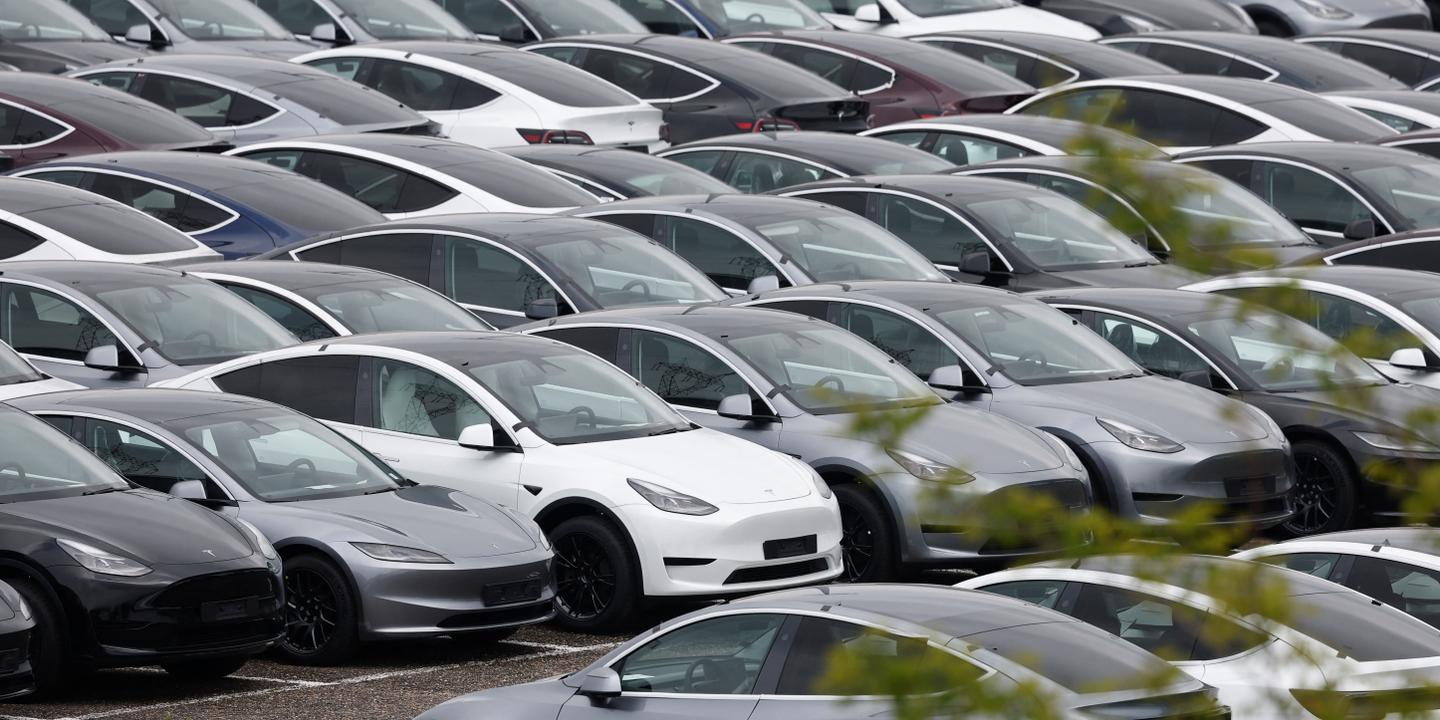
Tesla’s core lineup, particularly the Model Y and Model 3, has also begun to show signs of aging. With few major updates in recent years, some buyers have turned to newer models that offer more advanced technology and better value. This stagnation in product refreshes has prompted many prospective customers to delay their purchases in anticipation of Tesla’s next-generation models, which are yet to be released in Europe.
Public Image and Consumer Sentiment
Another contributing factor is the growing backlash against Tesla’s public image, particularly in Europe. CEO Elon Musk’s increasingly polarizing behavior and controversial political comments have alienated some environmentally conscious and socially progressive consumers. In markets like France, where public sentiment toward corporate ethics and leadership is strong, this reputational damage may be playing a role in consumers’ decisions to look elsewhere.
Furthermore, reports of vandalism targeting Tesla vehicles in France and other European countries have raised questions about brand perception and public hostility. Whether isolated incidents or part of a broader trend, such events can have a chilling effect on demand, especially among first-time EV buyers.
Strategic Challenges
Tesla’s struggles in France also point to broader strategic issues. While the company has enjoyed success in North America and parts of Asia, its European operations face a more complex landscape, including regulatory hurdles, labor market differences, and entrenched local competition. The company has not yet made major investments in French manufacturing or service infrastructure, limiting its ability to scale or respond quickly to shifts in demand.
Efforts to improve its position in France are reportedly underway, including discussions around new pricing strategies and potential collaborations with local partners. Tesla is also expected to roll out enhanced financing offers and possibly increase the availability of its Supercharger network to non-Tesla vehicles—a move that could generate additional revenue and goodwill among EV drivers.
Looking Ahead
Despite the April setback, Tesla remains a major player in the European EV market. However, the 59% drop in French sales serves as a clear warning sign that the road ahead may be more difficult than previously expected. The company must navigate an increasingly competitive and politically sensitive landscape while adapting its product offerings and public messaging to meet the expectations of a diverse European audience.
If it fails to course-correct, Tesla risks ceding valuable ground to rivals who are quickly closing the gap—not only in terms of market share but also in consumer trust and brand loyalty.