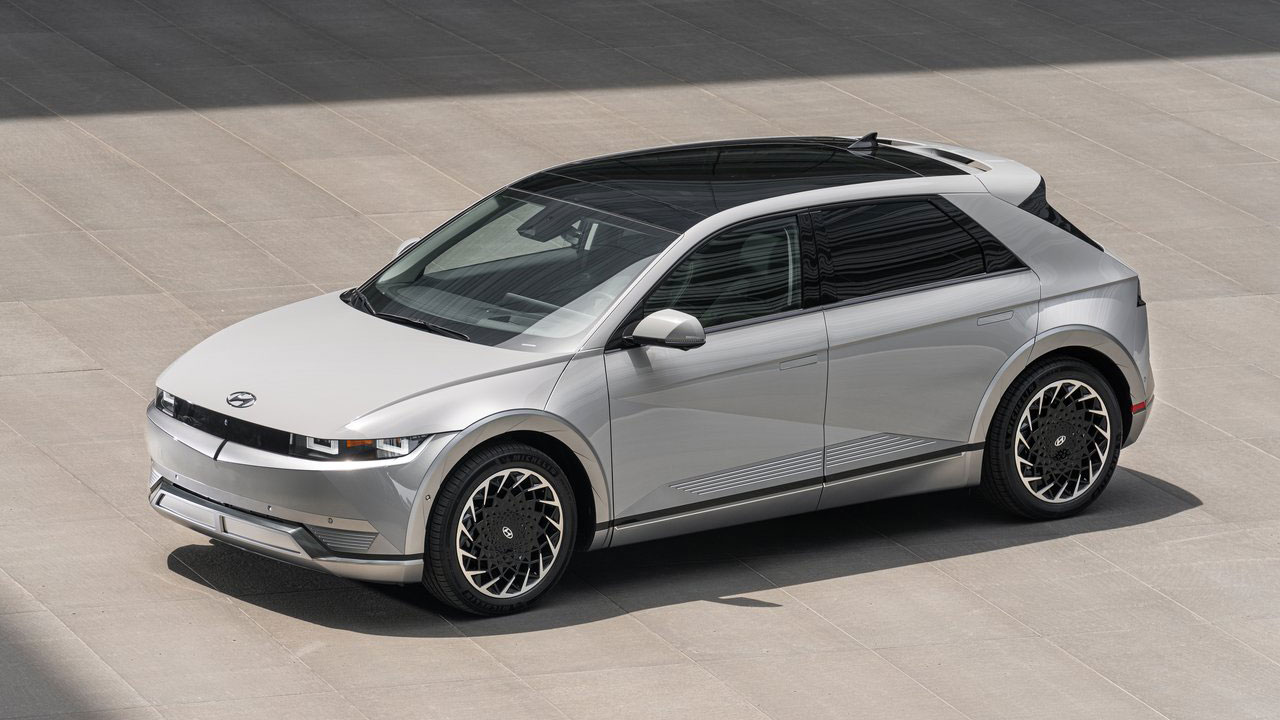
In a significant move aimed at maintaining competitiveness in the electric vehicle (EV) market, Hyundai has lowered the prices of its 2026 Ioniq 5 by as much as $9,800 compared to the previous model year. The unexpected price drop comes amid shifting consumer demand, changes to government incentive programs, and Hyundai’s broader strategy to solidify its position in the fast-evolving EV segment.
The Ioniq 5, a stylish all-electric crossover that quickly became one of Hyundai’s flagship EVs, now enters the 2026 model year with a revised price structure that makes it significantly more accessible to a wider range of buyers.
A New Price Era for the Ioniq 5
The 2026 Ioniq 5 lineup sees price reductions across nearly all trims. The biggest cuts come in the mid-level SEL and the more premium Limited trims, with some configurations dropping by nearly $10,000. The base SE Standard Range now starts at approximately $35,000, a sharp drop of over $7,000 compared to last year’s pricing. Higher trims like the SEL AWD and Limited AWD, which were once pushing well into the $55,000+ range, are now much more competitively priced just above $45,000 and $50,000, respectively.

These changes dramatically shift the affordability of the Ioniq 5 lineup, which previously hovered at a premium compared to many internal combustion and hybrid rivals. With the pricing update, the Ioniq 5 now becomes an attractive alternative not just to other EVs, but to traditional crossovers and SUVs in the compact and midsize segment.
Why Hyundai Is Cutting Prices
Hyundai’s decision to reduce prices is likely driven by several converging factors. One of the most prominent is the recent expiration of federal EV tax credits that many consumers relied on to bring down the effective cost of electric vehicles. With those credits no longer in play for many models and buyers, the price of EVs, at least on paper, rose significantly overnight.
To counteract this, Hyundai appears to be absorbing some of the cost burden itself in order to remain competitive. The company is positioning the Ioniq 5 as not only a high-tech, design-forward EV but also as a pragmatic choice for buyers who previously may have hesitated due to price.
In addition, competition in the EV space continues to grow. With rivals like Tesla, Ford, Nissan, and several emerging startups introducing competitive offerings at lower prices, Hyundai’s move is a strategic one — aiming to maintain sales momentum, protect market share, and further establish the Ioniq brand as a serious player in the EV space.
More Value, Same Premium Feel
Despite the lower prices, the 2026 Ioniq 5 hasn’t been stripped of its features or quality. In fact, Hyundai has added a few enhancements for the new model year. All trims now come standard with a dual-amperage charging cable that supports both Level 1 and Level 2 home charging. Additionally, Hyundai has introduced new exterior color options, including a premium matte finish and broader availability of previously limited paint choices.
Inside, the Ioniq 5 maintains its futuristic design language, spacious interior, and advanced tech features, including dual 12.3-inch displays, over-the-air software updates, and a suite of driver-assistance systems that have become standard in the segment. Higher trims still include luxury touches like ventilated seats, panoramic sunroofs, premium audio systems, and even vehicle-to-load (V2L) functionality for powering external devices.
What stands out in the 2026 model is that Hyundai has managed to retain — and in some cases enhance — the Ioniq 5’s value proposition while bringing down the entry cost. For consumers, that means access to more vehicle for less money.
What This Means for Shoppers
For buyers considering an EV, the lower price point may remove one of the biggest barriers to entry: affordability. Where a fully equipped AWD EV used to require a $55,000 or higher investment, the Ioniq 5 now delivers that level of equipment for closer to $45,000–$50,000. This shift not only opens the door for new customers but could also encourage buyers to step up to higher trims than they would have previously considered.

The reduced pricing also makes the Ioniq 5 an attractive leasing option. With a lower manufacturer’s suggested retail price (MSRP), monthly lease payments are expected to drop, even without the benefit of federal credits, which have often been factored into lease deals in past years.
It’s worth noting, however, that destination fees, taxes, and dealer charges are not included in the base price and may vary depending on location.
Industry Implications
Hyundai’s aggressive price cuts send a clear signal to the broader EV industry: in the absence of government subsidies, manufacturers must adapt or risk losing ground. With cost-consciousness returning to the forefront of consumer decision-making, automakers may need to rethink pricing, production, and value packaging to stay relevant.
Other automakers may be pressured to follow suit. Already, the EV space has seen discounting and pricing adjustments, especially as inventory levels grow and competition tightens. Hyundai’s move could accelerate this trend, particularly in the crowded compact and midsize EV crossover segment.
A Strategic Pivot for a Changing Market
With the 2026 Ioniq 5, Hyundai is demonstrating that it’s not just committed to electrification but also attuned to market realities. By slashing prices without compromising on quality or innovation, the automaker is repositioning one of its most important EVs as a leader in both value and technology.
As the EV landscape continues to evolve — shaped by infrastructure growth, battery technology, and consumer expectations — Hyundai’s approach with the Ioniq 5 may well become a blueprint for how to succeed in a post-subsidy EV market.
For now, though, the message to buyers is simple: the Ioniq 5 just got a lot more affordable, and it’s still one of the most compelling electric crossovers on the road.