In a surprising twist to the ongoing tensions between big tech and politics, former President Donald Trump has reportedly proposed a steep new tariff on iPhones manufactured outside the United States — a move that insiders suggest is less about economic strategy and more about personal grievance.
According to multiple sources close to the matter, Trump’s threat of a 25% tariff on foreign-made iPhones was spurred by Apple CEO Tim Cook’s decision to skip a recent diplomatic trip to the Middle East. The trip, organized by Trump and attended by executives from various multinational corporations, was intended to bolster U.S. business ties in the region. Cook’s absence did not go unnoticed.
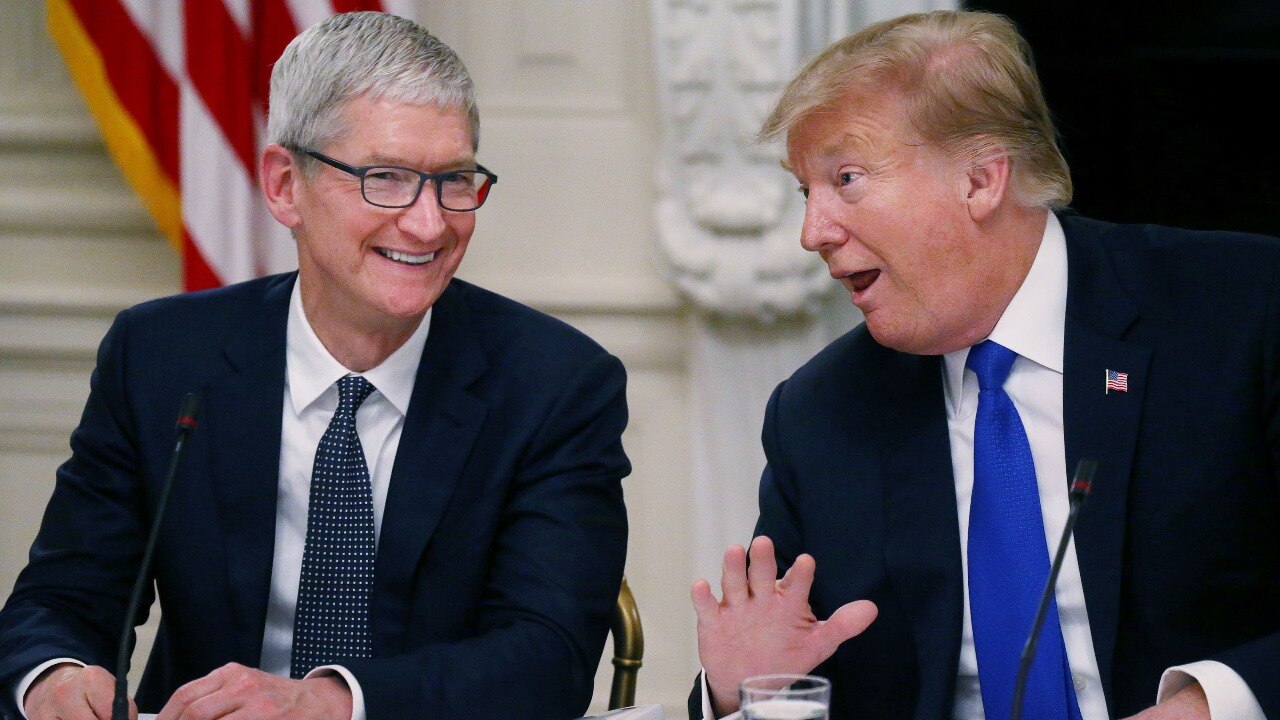
Trump, known for his transactional approach to leadership and governance, is said to have interpreted the snub as a slight — and responded in kind. The proposed “Apple tax,” as some are already calling it, is seen by observers as retaliation aimed squarely at Cook, whom Trump has both praised and clashed with in the past.
The tariff, if implemented, would dramatically impact Apple’s bottom line. Analysts warn that such a move could increase production costs by billions annually and drive up iPhone prices for consumers, potentially placing the flagship device well beyond the reach of many U.S. buyers. Some models could even exceed the $3,000 mark under the new tax.
Cook, who has previously engaged directly with Trump to mitigate tariffs and protect Apple’s global supply chain, now finds himself in a more complex political and economic chess game. While Apple has made significant investments in U.S. manufacturing in recent years, the company still relies heavily on overseas production, particularly in China and India.

The conflict illustrates the fragile balance between Silicon Valley and Washington, where personal relationships can carry as much weight as policy. Trump’s latest maneuver, whether it results in an actual tariff or not, sends a clear message: skipping a seat at his table can come with a steep price.
Neither Apple nor Trump’s spokesperson has issued a formal comment on the matter, but the implications for global trade, consumer prices, and the ever-intertwined tech-government relationship are already reverberating.