Intel Corporation is preparing for another round of workforce restructuring, with plans to lay off a portion of its fabrication (fab) employees starting in mid-July. The move comes as part of a larger strategic shift to streamline operations and prioritize investments in engineering talent, with the goal of accelerating innovation and regaining technological leadership in the semiconductor industry.
According to internal communications, the layoffs will primarily affect non-engineering roles within Intel’s manufacturing operations. While the company has not publicly disclosed how many employees will be impacted, the reductions are expected to hit several key sites, including some of Intel’s largest fabrication facilities in the United States. Employees in support, logistics, and operations positions are believed to be among those most affected.
A Strategic Pivot Toward Innovation
Intel’s leadership has made it clear that the company is realigning its focus toward engineering excellence. The decision to reduce headcount in the fabs is not just about cost-cutting—it is part of a broader initiative to eliminate inefficiencies and direct more resources toward engineering, research, and product development.
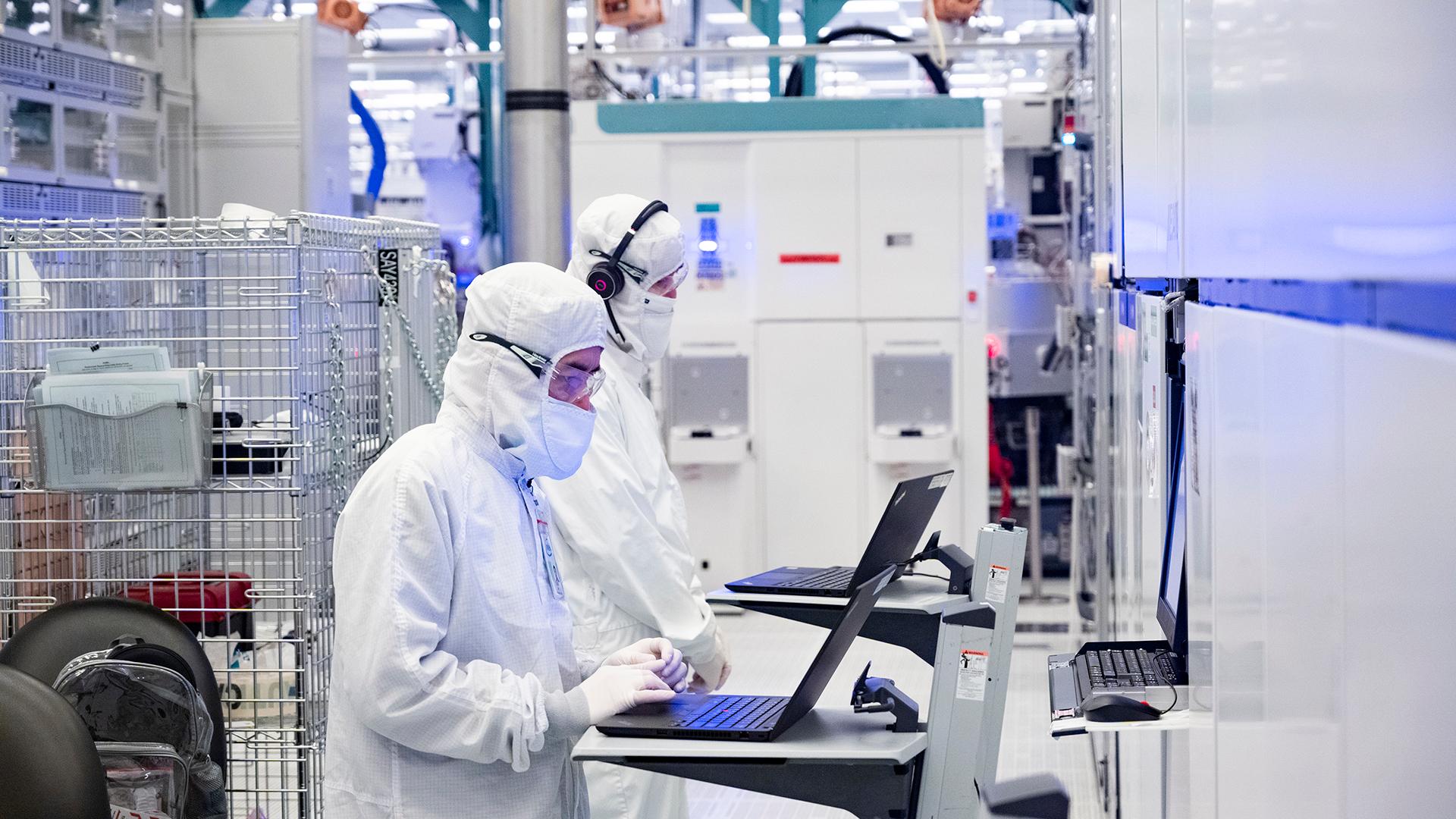
In recent years, Intel has faced fierce competition from global rivals like Taiwan Semiconductor Manufacturing Company (TSMC) and Samsung, both of which have outpaced Intel in rolling out smaller, more efficient chip architectures. To catch up, Intel is investing heavily in new process technologies, AI-driven chip design, and next-generation packaging methods.
The company believes that enhancing its engineering capabilities is essential to regaining its position at the forefront of the chipmaking industry. Intel plans to reinvest savings from the layoffs into hiring more engineers and technical staff to support critical areas such as advanced manufacturing, process node development, and custom chip design.
Internal Changes and Cultural Reset
The upcoming layoffs follow a broader cultural shift inside Intel aimed at making the organization more agile, efficient, and innovation-driven. Senior leadership has stated that the company must move away from rigid bureaucratic systems that slow down progress, and instead empower its engineers to take risks, test bold ideas, and move faster in product development.
To support this, Intel has been flattening its management structures, reducing layers of oversight, and updating internal tools and systems to make workflows more streamlined. The company has described these changes as a “reset” designed to improve productivity and position Intel for long-term success in a rapidly changing industry.
Employees were informed of the changes via an internal memo that emphasized the difficult nature of the decision, but framed it as necessary to ensure the company’s continued relevance and leadership. Leadership expressed appreciation for the contributions of all affected employees and promised severance packages and career transition support.
Impact on Operations and Morale
While the company maintains that high-skilled roles in engineering, maintenance, and automation will remain unaffected or even grow, there is concern among employees about the short-term impact on morale and productivity. Intel’s fabs are among the most advanced in the world, and even small reductions in staffing can disrupt tight production timelines.
There are also questions about how much work will be redistributed to remaining employees and whether the company has adequately planned for the operational risks involved in downsizing.
Despite these concerns, Intel remains confident that the restructuring will help sharpen its focus and speed up the development of future technologies. The company has ambitious plans to deliver new process nodes annually over the next several years—a pace it hasn’t achieved in over a decade.
Looking Ahead
Intel’s decision to lay off fab workers marks a significant moment in the company’s ongoing transformation. As it pivots toward an engineering-first model, Intel is betting that leaner operations and a deeper investment in technical talent will help it reclaim its status as a global chip leader.
For now, the mid-July layoffs represent both a painful adjustment and a signal that the company is willing to make tough choices in order to shape its future.