A bombshell report has shaken the political landscape in the United States, alleging that tampering with voting machines may have played a role in the outcome of the 2024 presidential election. The report, authored by a nonpartisan group of cybersecurity analysts and election integrity experts, claims that certain voting machines were updated or altered in the weeks before the election—without proper certification or public disclosure.
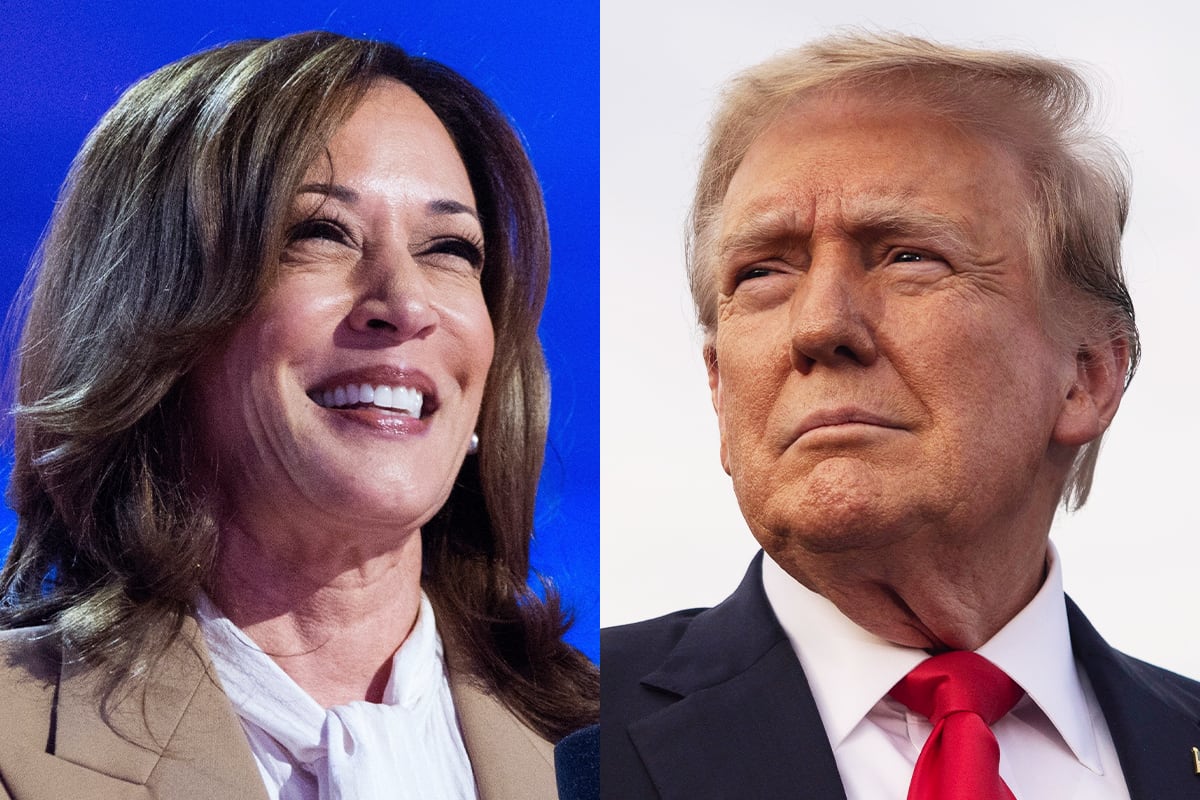
The 2024 election, which ended with Kamala Harris defeating former President Donald Trump, was historic in more ways than one. Harris not only became the first woman and woman of color elected to the presidency but also did so in one of the closest races in modern U.S. history. Her win was celebrated by many but contested by others. Now, with the emergence of this new report, those contests have been given new fuel.
At the heart of the controversy are allegations that voting machines in several key battleground states—most notably Pennsylvania, Arizona, and parts of New York—received last-minute software patches and configuration changes. These updates, according to the report, were implemented by private testing and certification firms without public accountability, oversight from state officials, or notification to election monitors.
While the report does not definitively claim that the changes flipped the outcome of the election, it argues that they created conditions ripe for exploitation or errors. The authors state that these unauthorized updates “compromised the transparency and verifiability of the electoral process” and warn that such changes, even if unintentional, could erode public trust.
One particularly troubling section of the report cites evidence from Rockland County, New York, where machines initially failed to record a significant portion of votes cast for Harris. These votes were only discovered during a manual reconciliation process. Election officials at the time called the incident a “technical malfunction” with no impact on the final results. However, the new report suggests that such glitches may not have been isolated.
The Harris administration has not publicly commented on the allegations. However, a senior official speaking on background dismissed the report as politically motivated and “based on circumstantial interpretations rather than hard evidence.” The official reiterated that Harris won the election fairly and that multiple post-election audits certified the result without significant discrepancies.
Nevertheless, Republican lawmakers and political activists have seized upon the report as justification for renewed investigations. Several members of Congress are calling for a bipartisan commission to review the conduct of the 2024 election and examine the role of third-party contractors in maintaining voting equipment. “This isn’t about who won,” said one lawmaker. “It’s about ensuring every American can trust that their vote was counted fairly and accurately.”
Experts in election security are divided on the report’s implications. Some believe the findings merit further inquiry, especially regarding the lack of transparency in the certification process. Others caution that unverified claims could be used to undermine democracy and sow distrust without clear evidence of wrongdoing.
“The real issue here is system integrity,” said one election systems expert. “If updates were pushed to machines without full testing and certification, that’s a major procedural failure—even if it didn’t affect the outcome.”
Public reaction to the report has been mixed. Supporters of Harris view the allegations as an attempt to delegitimize the first female president, while skeptics see it as vindication of long-held suspicions about the vulnerability of digital voting systems.

As calls for congressional hearings intensify, the report has reignited debate about the role of technology in elections and the need for reform. Proposals already gaining momentum include requiring open-source software in voting machines, mandatory public audits, and stricter oversight of certification labs.
For now, the 2024 election remains officially certified, but this latest controversy may ensure that the debate over how America votes—and how those votes are counted—will remain front and center heading into 2028.