In a significant shift from its earlier electrification roadmap, Audi has announced that it will no longer phase out internal combustion engine (ICE) vehicles by 2033 as originally planned. The company now intends to continue producing gas-powered and hybrid models beyond that date, citing slower-than-expected electric vehicle (EV) adoption and varying global market conditions.
Audi had previously committed to releasing its last new ICE model by 2026 and becoming a fully electric brand by 2033. That plan positioned the German automaker as a frontrunner in the race toward zero-emission mobility. However, recent statements from company leadership confirm that those targets are now being reconsidered.
Market Challenges Prompt Strategic Shift
According to Audi, the delay in transitioning away from ICE vehicles stems from a combination of factors, including inconsistent EV demand, limited charging infrastructure, and economic pressures on both the company and consumers.
While electric vehicle adoption has gained traction in parts of Europe and China, other regions—such as North America, South America, and Southeast Asia—are lagging in both consumer uptake and government support. Audi executives emphasized that these regional discrepancies make a one-size-fits-all EV strategy impractical.
“We remain committed to an electric future, but we must also respond to the realities of different markets,” said an Audi spokesperson. “Some areas are not yet prepared for a full shift to EVs, and we need to remain flexible to meet our customers’ needs globally.”
Dual Strategy: ICE and EVs Side by Side
Rather than abandoning electric development, Audi is now embracing a two-platform strategy. Under this approach, the company will continue investing in electric vehicles while also developing new combustion and hybrid models.
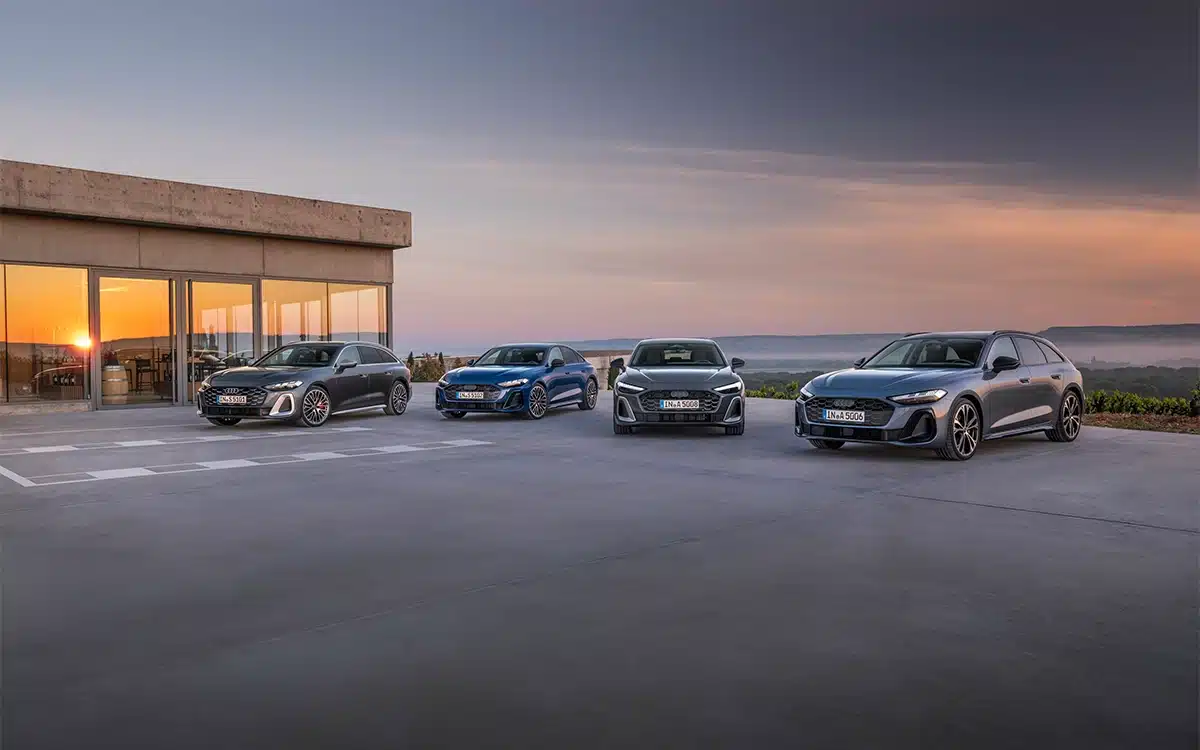
Even-numbered models in Audi’s future lineup—such as the A4 and Q6—will be fully electric. Meanwhile, odd-numbered models—like the A5 and Q5—will remain ICE-powered or come with hybrid options. This strategy allows Audi to maintain a broad product range and address the preferences of both EV adopters and those still reliant on gas-powered cars.
The combustion engine lineup will continue to evolve, incorporating mild-hybrid technology, efficiency improvements, and updated design features. Audi also plans to expand its plug-in hybrid offerings, with several new models expected before 2026.
Delays in EV Transition Impact Financials
Audi’s decision is not only strategic but financial. Like many legacy automakers, the company is navigating a delicate balance between investing in electrification and maintaining profitability. EV development requires massive capital expenditures, and battery costs remain high despite ongoing technological advancements.
In recent quarters, Audi has seen operating margins decline and vehicle deliveries fall short of expectations. Maintaining ICE production and leveraging existing platforms helps reduce pressure on development budgets while continuing to serve a loyal customer base.
Industry analysts note that this move reflects a growing trend among automakers. Many companies are realizing that their original EV timelines may have been too optimistic, especially in light of real-world challenges ranging from raw material shortages to insufficient government incentives and limited consumer readiness.

Global Considerations Extend ICE Lifespan
While countries like Germany, Norway, and the UK are pushing for full electrification through regulation and subsidies, other markets are taking a more gradual approach. In many parts of the world, internal combustion engines remain the dominant vehicle type, with EV infrastructure still years away from being sufficient.
As a result, Audi will continue offering combustion-powered vehicles beyond 2033, particularly in regions where EV adoption is slower. These models will comply with local emissions standards and feature the latest efficiency technologies, ensuring that they remain competitive and environmentally responsible.
A Balanced Future
Audi insists that its long-term goal remains unchanged: a fully electric portfolio. However, the path to that future will now be more gradual and adaptive. By extending the life of its combustion engine models and expanding hybrid offerings, the company hopes to maintain market relevance while continuing to invest in the development of next-generation EVs.
For customers, this means a wider range of options in the years ahead—combining traditional performance with the growing promise of electric mobility. And for Audi, it marks a more cautious, market-driven evolution toward the future of transportation.