Apple has announced that users will begin seeing more advertisements within the App Store, marking a notable change in how apps are promoted and discovered on the company’s digital marketplace. The move signals Apple’s growing focus on advertising as part of its services business, while also reshaping the experience of millions of users who rely on the App Store to find new applications.
According to Apple, the change will primarily affect search results in the App Store. When users search for apps using keywords or categories, they will increasingly encounter sponsored listings alongside organic results. While Apple has long allowed limited advertising at the top of search results, the company is now expanding the number of placements where ads can appear. This means users may see ads not only at the top, but also further down the results list.
Apple says the goal of this shift is to help developers reach users more effectively at moments when they are actively looking for apps. Search, the company notes, is one of the most important ways people discover new applications, and a significant portion of downloads occur shortly after a user performs a search. By increasing ad inventory, Apple argues it can create more opportunities for developers—particularly smaller ones—to gain visibility in a highly competitive marketplace.

For developers, the expanded advertising options could provide a new way to compete for attention. The App Store hosts millions of apps, making discoverability a persistent challenge, especially for independent developers and small studios. Additional ad placements may allow them to promote their apps more frequently without having to compete solely for the single premium ad slot that previously existed at the top of search results.
Apple has emphasized that the overall ad format will remain familiar. Sponsored apps will continue to be clearly labeled as advertisements, and the company says it will maintain its existing relevance-based system to determine which ads users see. Developers will still bid for placements, but Apple says relevance to the user’s search query will play a central role, rather than ads simply going to the highest bidder.
From a business perspective, the expansion aligns with Apple’s broader push into services revenue. Advertising has become an increasingly important income stream for the company, complementing subscriptions, digital content, and transaction fees from the App Store. As hardware sales face periodic slowdowns, services—including advertising—have offered Apple a more stable and recurring source of revenue.
However, the decision has also raised questions about the user experience. Some users and developers worry that more ads could make the App Store feel cluttered or overly commercial. Critics argue that users searching for apps may find it harder to locate organic results if sponsored listings are more prominent or frequent. There is concern that high-paying advertisers could dominate visibility, pushing smaller or less well-funded developers further down the page.
Apple has sought to address these concerns by stressing its commitment to quality and privacy. The company maintains that App Store ads are designed to be helpful rather than intrusive, appearing only in relevant search contexts rather than across the platform indiscriminately. Unlike many online advertising systems, Apple says its ads do not rely on extensive personal data tracking, a point the company often highlights as part of its privacy-first branding.
The announcement also comes amid increased scrutiny of Apple’s control over its App Store ecosystem. Regulators and developers in several regions have accused the company of favoring its own services and exerting too much influence over app distribution. Expanding advertising within the App Store may add to these debates, as some developers question whether Apple is monetizing its gatekeeper role at the expense of fair competition.
Despite the criticism, many developers see potential benefits. With more ad placements available, competition for each individual slot may become less intense, potentially lowering costs and allowing a wider range of apps to gain exposure. For new app launches in particular, advertising in search results can be a crucial tool for attracting early users and building momentum.
Apple has indicated that the rollout of expanded ads will begin gradually, giving developers time to adapt their marketing strategies and users time to adjust to the new look of search results. The company has not suggested that ads will appear throughout all areas of the App Store, focusing instead on search results where users are already expressing intent.
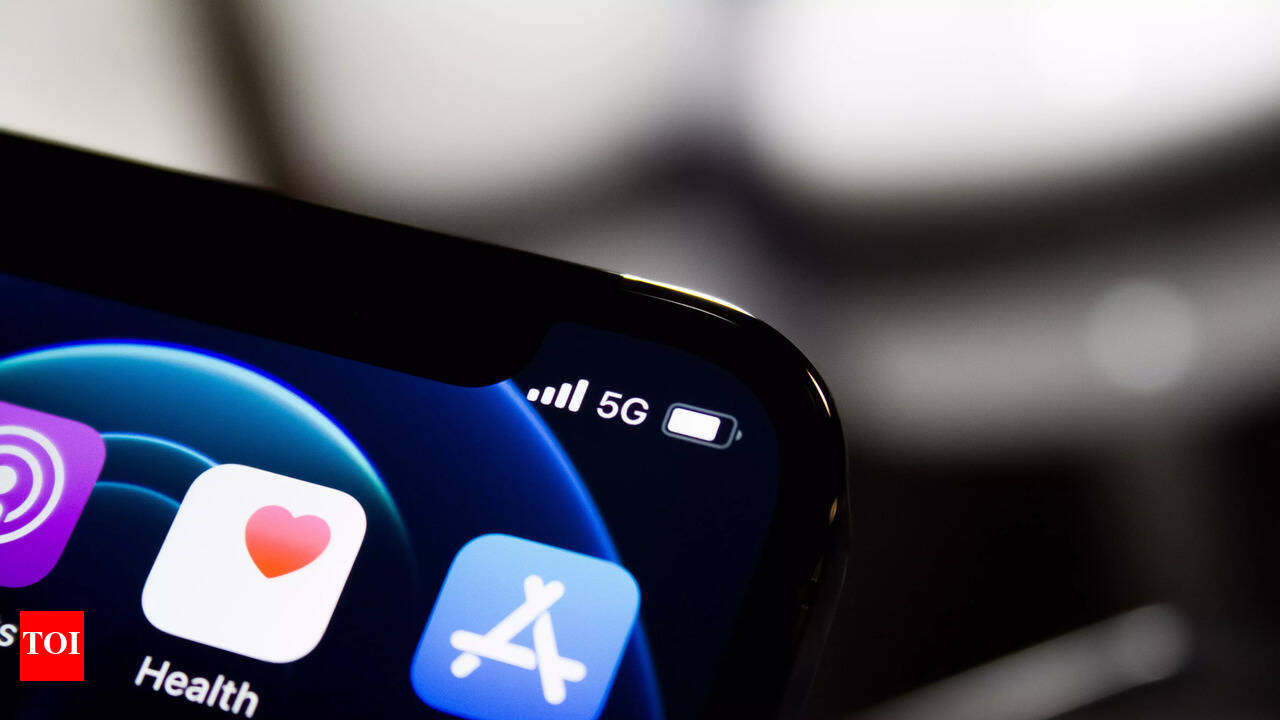
As the App Store continues to evolve, the introduction of more advertising reflects a broader shift in how digital platforms balance user experience with monetization. For Apple, the challenge will be to expand its advertising business without undermining the trust and simplicity that have long been central to its brand.
Ultimately, whether users embrace or resist the change will depend on how noticeable and disruptive the ads feel in practice. If Apple succeeds in keeping ads relevant and unobtrusive, the impact on user satisfaction may be limited. If not, the company could face renewed criticism over the growing commercialization of one of its most important platforms.