A police officer in Argentina has been awarded $12,500 in damages after a Google Street View camera captured him standing naked in his backyard — an image that was later published and shared across online platforms, sparking a legal battle that has finally ended in a significant privacy victory.
The incident occurred in 2017, when the man, who resides in the small city of Bragado, was walking unclothed in his garden, located behind a wall approximately two meters (6.6 feet) high. Unbeknownst to him, one of Google’s automated Street View vehicles passed by at just the right angle — or the wrong one — and captured a high-resolution image that showed the man from behind in full nudity. His address, including his house number and street name, was clearly visible in the image.
The photo was not blurred or redacted before being uploaded to Google Maps’ Street View platform. In a matter of days, the image circulated on social media, appeared on television, and became the subject of local jokes and media coverage. The man, identified only as a police officer to protect his privacy, quickly found himself at the center of national embarrassment.

A Long Road to Justice
At first, the officer sought legal recourse, arguing that his dignity and right to privacy had been violated. However, the initial case was dismissed by a lower court, which ruled that he bore some responsibility for the exposure by choosing to be naked in an area visible from the street. The court suggested he was partially at fault for not ensuring greater privacy.
Google defended its actions by arguing that the perimeter wall surrounding the home was not sufficient to guarantee privacy from a passing camera vehicle. The company emphasized that its camera systems are designed to capture public spaces and that any incidental capture of private activity is not intentional.
But the officer was not willing to let the matter rest. He appealed the ruling, and the case eventually reached a higher court. The appeals judges took a significantly different view, stating that what occurred was not just an accident, but a violation of an individual’s right to live free from unwanted exposure within their own home.
A Landmark Ruling on Privacy
In their decision, the appellate judges ruled in favor of the officer, ordering Google to pay approximately $12,500 in compensation. The court stated that the violation of privacy was “blatant and unjustifiable,” emphasizing that the image was taken not in a public space, but in a private residence — a crucial distinction in privacy law.
The court further argued that the home — including enclosed outdoor spaces — is a sanctuary where people should be free to behave as they choose without fear of being filmed or photographed. Walking nude in a private yard, the judges noted, may be unconventional but does not open the door to public surveillance or ridicule.
Importantly, the ruling also took aim at Google’s policies for blurring faces and license plates in its Street View images. The judges pointed out that this shows the company is aware of its power to infringe on individual rights and that such protection should be extended to other forms of identifiable content — especially when it involves a person’s unclothed body.
Emotional and Social Impact
Beyond the legal implications, the ruling also acknowledges the personal impact the incident had on the man’s life. As a police officer in a small city, he found himself the subject of ridicule and gossip. He reportedly experienced humiliation, anxiety, and reputational damage both professionally and personally. The judges factored in these emotional consequences when deciding on the amount of compensation.
The court stopped short of assigning liability to local media outlets that published the image or to local telecommunications companies that distributed it. Instead, they placed full responsibility on the original source: the platform that captured and disseminated the photo without proper safeguards.
Broader Implications for Tech Giants
This ruling comes amid growing scrutiny of how large technology companies handle privacy, particularly in the context of automated tools that capture and publish vast amounts of data. As platforms like Street View become more common and detailed, questions about consent and control over personal visibility are becoming more urgent.
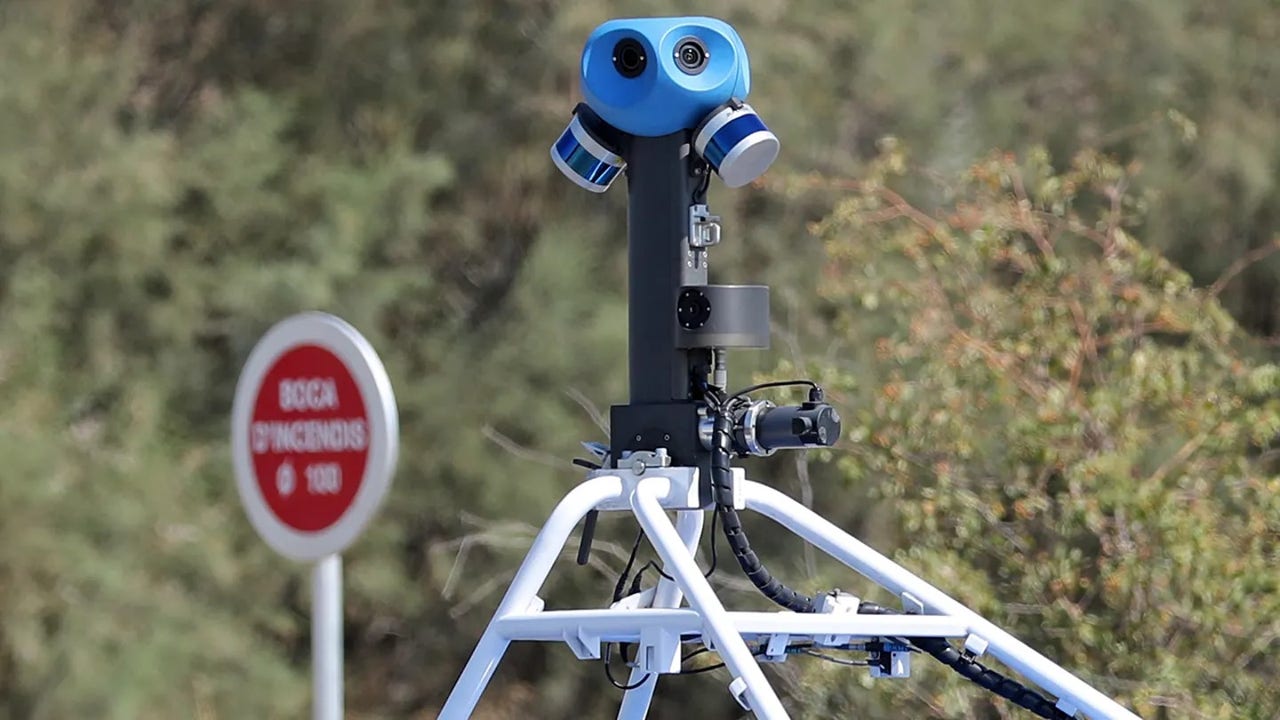
The case raises new questions about the responsibilities of tech giants like Google to ensure that their data collection tools do not overstep legal and ethical boundaries. It also calls attention to the gaps in international privacy protections, especially when technology built for one jurisdiction ends up affecting people in another.
In regions like Latin America, where privacy and dignity are deeply embedded in constitutional law, this ruling could serve as a precedent. It highlights the possibility that ordinary individuals — even in small cities — can hold global corporations accountable when digital tools cross the line.
A Victory for the Individual
In the end, this unusual case is about more than just a naked man caught by a camera. It’s about the right to be left alone, the boundary between public and private, and the responsibilities of powerful corporations to respect the dignity of individuals — especially in places where they feel most secure.
For the officer, the court’s decision represents both justice and vindication after years of personal embarrassment. For everyone else, it’s a reminder that even in the age of global surveillance and ever-present cameras, privacy still matters — and must be protected.