Wednesday, January 21, 2026
  • Login
Techstory Australia
  • Home
  • News
  • AI
  • Social Media
  • Technology
  • Markets
No Result
View All Result
  • Home
  • News
  • AI
  • Social Media
  • Technology
  • Markets
No Result
View All Result
Techstory Australia
No Result
View All Result
Home Business

Apple Reportedly Plans to Introduce Ultra Retina XDR Display to Future iPhones

Ultra Retina XDR is Apple’s most advanced display technology to date. It builds on the existing Super Retina XDR OLED panels currently found in iPhones but uses a tandem OLED structure, which involves stacking two OLED layers on top of each other.

Sara Jones by Sara Jones
August 6, 2025
in Business, Markets, Technology
0
Apple Reportedly Plans to Introduce Ultra Retina XDR Display to Future iPhones

PHOTO CREDITS: Pocket-lint

74
SHARES
1.2k
VIEWS
Share on FacebookShare on Twitter

Apple is reportedly planning a major leap forward in smartphone screen technology, with plans to introduce its Ultra Retina XDR display to future iPhone models. This display, which made its debut in the latest iPad Pro, could redefine the visual experience on iPhones with significant improvements in brightness, color accuracy, and energy efficiency.

You might also like

Apple to Bring OLED Displays to iPads and Macs Starting 2026

Threads Edges Out X in Daily Mobile Users, New Data Shows

OpenAI Invests in Sam Altman’s Brain Chip Start-Up, Signaling a New Frontier for Human–AI Interaction

The move is expected to mark one of the most substantial display upgrades in the iPhone’s history. According to internal development timelines, Apple may introduce the Ultra Retina XDR display to iPhones as early as 2028, as the company works to adapt the advanced technology from larger-screen devices to the more compact smartphone form factor.
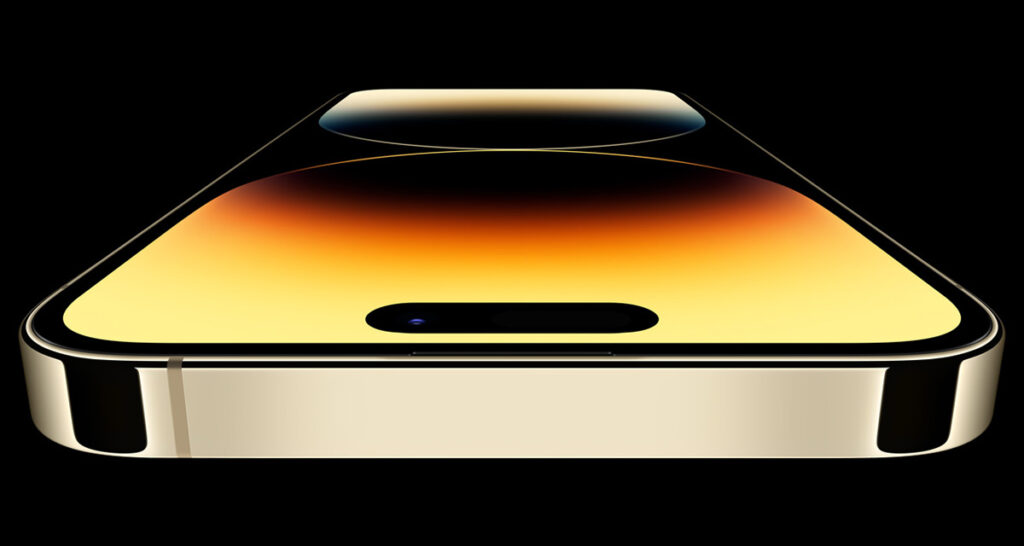
Apple Reportedly Bringing Ultra Retina XDR Display To Future iPhones

What is Ultra Retina XDR?

Ultra Retina XDR is Apple’s most advanced display technology to date. It builds on the existing Super Retina XDR OLED panels currently found in iPhones but uses a tandem OLED structure, which involves stacking two OLED layers on top of each other. This configuration allows for significantly improved performance over traditional single-layer OLED panels.

The main advantage of this dual-layer approach is increased brightness and efficiency. Ultra Retina XDR can maintain a high full-screen brightness of up to 1,000 nits and peak at around 1,600 nits or more during HDR playback. This level of luminance enables more vivid colors, deeper blacks, and a more immersive viewing experience, particularly for HDR video content and high-contrast visuals.

In addition to visual quality, the tandem OLED design contributes to improved energy efficiency and better long-term durability. The second OLED layer helps to distribute power usage more evenly and can reduce the likelihood of image burn-in, a known issue in OLED displays over time.

Adapting iPad Tech for the iPhone

The Ultra Retina XDR display was first introduced in the iPad Pro (M4), where it received praise for delivering near-professional-level visual fidelity. Bringing the same display quality to iPhones presents a significant engineering challenge due to the smaller form factor and power constraints of smartphones.

While the iPad has more room for thermal management and battery size, the iPhone operates under tighter spatial limitations. Apple is reportedly working on a simplified version of tandem OLED for the iPhone. Instead of duplicating all sub-pixel layers, this approach may involve stacking only certain pixel layers—like the blue sub-pixels, which degrade faster—to achieve a balance between performance, durability, and cost.

This adaptation would allow Apple to maintain a slim device profile while still offering the benefits of tandem OLED technology. The simplified design could also streamline production and reduce manufacturing costs, making it more feasible for use in millions of iPhones.

Why This Upgrade Matters

The iPhone already leads the smartphone market in terms of display quality with its Super Retina XDR panels. These displays offer vibrant color reproduction, deep blacks, and support for HDR content. However, the introduction of Ultra Retina XDR could elevate the iPhone’s screen to a new level of performance—especially as visual demands grow with more advanced mobile games, AR experiences, and high-resolution media.

Ultra Retina XDR is particularly well-suited for HDR content, which is becoming more common across streaming platforms and creative applications. Users can expect more lifelike highlights, richer shadows, and improved consistency in color reproduction. Additionally, outdoor visibility could be improved, as the increased brightness helps maintain screen clarity in direct sunlight.

Battery life is another potential area of improvement. By spreading the load across two OLED layers and optimizing power usage, Apple could achieve brighter visuals without a significant increase in energy consumption.

A Long-Term Vision

While the Ultra Retina XDR display isn’t expected to debut in the next few iPhone releases, Apple’s roadmap suggests a strong commitment to pushing the boundaries of display technology. The company typically rolls out major hardware changes gradually, ensuring that manufacturing and software integration are optimized before a widespread launch.

In the meantime, Apple is expected to introduce incremental display upgrades in upcoming iPhones. These could include improved anti-reflective coatings, more durable glass materials, or modest brightness enhancements. However, the core Super Retina XDR technology is likely to remain in place until the Ultra Retina XDR display is ready for prime time.

If the anticipated 2028 launch timeline holds, the Ultra Retina XDR display could debut in the iPhone 19 lineup or a similarly positioned future generation. Given Apple’s track record, the technology will likely be introduced first in the Pro models before gradually expanding to the wider iPhone lineup in subsequent years.

Looking Ahead

Apple’s efforts to bring Ultra Retina XDR to the iPhone reflect its ongoing drive to deliver premium experiences across its device ecosystem. The move would align the iPhone’s display performance more closely with its high-end tablets and monitors, creating a more consistent visual standard for users across devices.

Apple Ultra Retina XDR Display: Features, Benefits & More

As smartphone displays become increasingly central to entertainment, productivity, and communication, innovations like Ultra Retina XDR represent more than just aesthetic upgrades—they enable richer, more immersive interactions with the device.

While the wait for this technology to arrive on iPhones may still span a few more product cycles, Apple’s reported plans point to a bright and vibrant future for its most iconic device.

Tags: appleapple newsApple Reportedly Plans to Introduce Ultra Retina XDR Display to Future iPhonesapple updatesiPhone modelssmartphone screen technologytech newstechnologyTechnology newstechnology updatestechstory
Share30Tweet19
Sara Jones

Sara Jones

Recommended For You

Apple to Bring OLED Displays to iPads and Macs Starting 2026

by Sara Jones
January 20, 2026
0
Judge Rules Apple Must Submit Homework by Monday, No Exceptions

Apple is preparing for a major transformation of its display technology roadmap, with plans to introduce OLED screens across its iPad and Mac product lines beginning in 2026....

Read more

Threads Edges Out X in Daily Mobile Users, New Data Shows

by Sara Jones
January 19, 2026
0
The Threads Web App Is Now Live: Revolutionizing Online Conversations

Meta’s text-based social media platform Threads has reached a significant milestone, edging past X in daily mobile users, according to newly released industry data. The shift marks an...

Read more

OpenAI Invests in Sam Altman’s Brain Chip Start-Up, Signaling a New Frontier for Human–AI Interaction

by Sara Jones
January 19, 2026
0
OpenAI Secures Funding at $157 Billion Valuation, Attracting Major Investments from Microsoft, Nvidia, and SoftBank

OpenAI has made a high-profile move into neurotechnology by investing in a brain-computer interface start-up founded by its own chief executive, Sam Altman. The investment marks a significant...

Read more

TSA Facial Recognition Raises Traveler Rights Concerns

by Sara Jones
January 18, 2026
0
TSA Facial Recognition Raises Traveler Rights Concerns

The Transportation Security Administration’s growing use of facial recognition technology at U.S. airports is intensifying a national debate over privacy, consent, and the balance between security efficiency and...

Read more

Spotify’s Third Price Hike in 2.5 Years Hints at a Potential New Normal

by Sara Jones
January 18, 2026
0
Spotify Labels Apple’s Plan to Comply with EU Regulations a “Farce”

Spotify’s latest decision to raise subscription prices marks its third increase in roughly two and a half years, signaling a notable shift in how the world’s largest music...

Read more
Next Post
Trump Administration Shuts Down U.S. Climate Change Website, Sparking Alarm Among Scientists and Officials

Trump Proposes 100% Tariff on Imported Computer Chips Unless Companies Build in the U.S.

Leave a Reply Cancel reply

Your email address will not be published. Required fields are marked *

Related News

US Could Force Android and Chrome to Split From Google in Antitrust Move

Italy Demands Google Poison DNS Under Strict Piracy Shield Law

March 23, 2025
iPhone 17 Launch Nears: Six Apple Products Likely to Disappear After September 9

Apple vs. OPPO: Court Orders OPPO to Share Documents in Trade Secrets Case

October 30, 2025
White House Labels AI-Generated Explicit Taylor Swift Images ‘Alarming,’ Urges Congressional Action on Deepfake Regulation

White House Labels AI-Generated Explicit Taylor Swift Images ‘Alarming,’ Urges Congressional Action on Deepfake Regulation

January 28, 2024

Browse by Category

  • AI
  • Archives
  • Business
  • Crypto
  • Finance
  • Investing
  • Markets
  • News
  • Social Media
  • Technology

Techstory.com.au

Tech, Crypto and Financial Market News from Australia and New Zealand

CATEGORIES

  • AI
  • Archives
  • Business
  • Crypto
  • Finance
  • Investing
  • Markets
  • News
  • Social Media
  • Technology

BROWSE BY TAG

amazon apple apple news apple updates Artificial intelligence Artificial Intelligence news Artificial Intelligence updates australia Australia news Australia updates china China news China updates Donald Trump Donald Trump news Donald Trump updates Elon musk elon musk news Elon Musk updates google google news Google updates meta meta news meta updates Microsoft microsoft news microsoft updates OpenAI OpenAI news OpenAI updates Social media tech news technology Technology news technology updates techstory tech story Tesla tesla news tesla updates TIKTOK TikTok news TikTok updates twitter

© 2023 Techstory Media. Editorial and Advertising Contact : hello@techstory.com.au

No Result
View All Result
  • Home
  • News
  • Technology
  • Markets
  • Business
  • AI
  • Investing
  • Social Media
  • Finance
  • Crypto

© 2023 Techstory Media. Editorial and Advertising Contact : hello@techstory.com.au

Welcome Back!

Login to your account below

Forgotten Password?

Retrieve your password

Please enter your username or email address to reset your password.

Log In
Are you sure want to unlock this post?
Unlock left : 0
Are you sure want to cancel subscription?



