Former President Donald Trump has announced a bold new plan to impose a 100% tariff on all imported computer chips and semiconductors, in a dramatic push to force tech companies to relocate manufacturing to the United States. The proposed policy, which Trump framed as a cornerstone of his 2024 presidential campaign, would target foreign-made chips critical to a wide range of industries — from smartphones and electric vehicles to defense systems and consumer electronics.
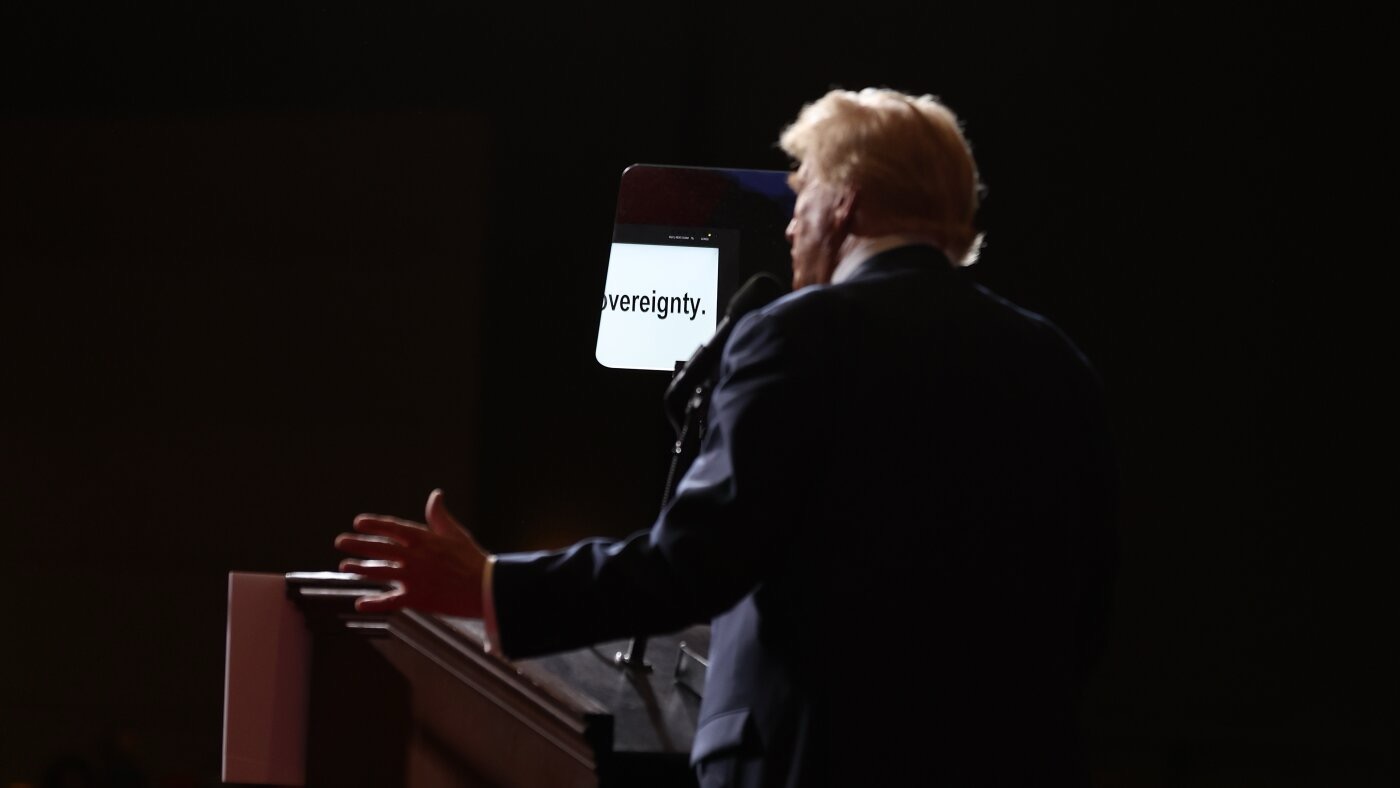
The tariff would apply broadly across the semiconductor supply chain, but Trump emphasized that companies that “build in America” would be exempt. In a speech delivered at an event featuring top business leaders and technology executives, Trump said the move was necessary to “end our dangerous dependence on foreign countries for vital technology and bring jobs back to American soil.”
A Shift From Incentives to Penalties
The announcement marks a sharp shift in U.S. industrial policy. In contrast to the previous administration’s approach, which offered billions in subsidies and tax credits to encourage domestic chip production, Trump’s plan takes a more aggressive stance — penalizing companies that fail to move operations to the U.S.
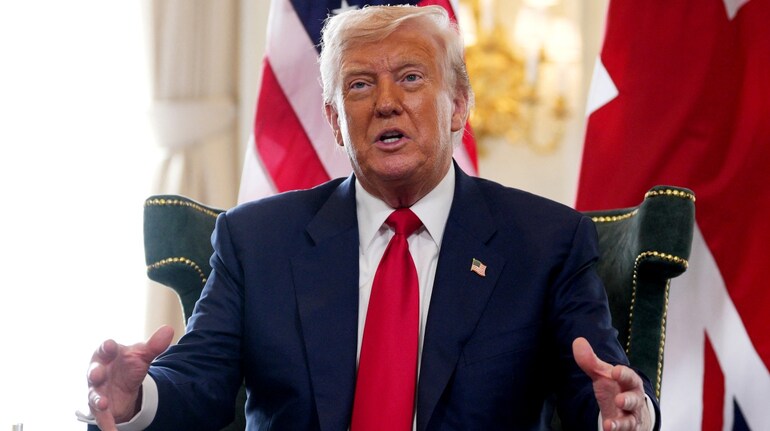
Trump criticized what he called “corporate freeloaders” who take advantage of global labor markets while benefiting from access to the U.S. consumer base. “If you want to sell to America, you have to build in America,” he declared.
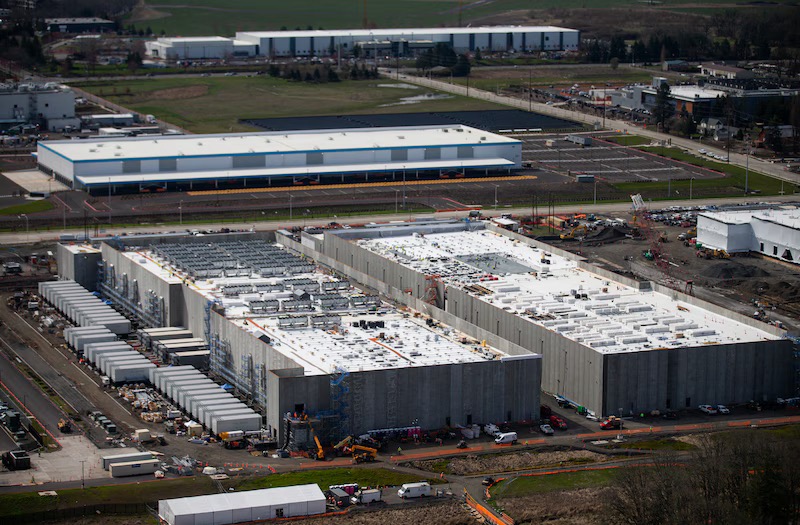
The proposed tariff would effectively double the cost of importing chips from Asia and Europe, creating strong incentives for multinational firms to invest in U.S.-based semiconductor fabrication plants, known as fabs. According to analysts, the financial impact on foreign chipmakers and U.S. tech companies that rely on them could be substantial — unless they take swift action to shift operations domestically.
Tech Industry Scrambles to Respond
In the hours following the announcement, several major tech companies began evaluating their exposure to the new policy and exploring ways to mitigate the potential impact. Apple, which has already been expanding its U.S. manufacturing footprint, reportedly plans to accelerate its domestic investment, including the construction of additional chip packaging and assembly facilities in multiple states.
Other firms, such as Qualcomm, Nvidia, and AMD — all of which rely heavily on Asian manufacturing partners — may be forced to rethink long-standing supply chain strategies. Industry insiders suggest that discussions are already underway between corporate leadership and state governments offering land, tax breaks, and infrastructure support to attract new facilities.
While some companies may welcome the opportunity to expand in the U.S., others expressed concerns over the feasibility and cost of rapidly building advanced chip fabs, which require highly specialized infrastructure, a skilled workforce, and years of planning.
Economic Implications
Economists are divided over the potential impact of the policy. Supporters argue that forcing companies to bring chip production home will strengthen national security, create high-paying manufacturing jobs, and reduce the risk of future supply chain disruptions like those seen during the COVID-19 pandemic. They view the tariff as a powerful tool to correct decades of offshoring that left the U.S. vulnerable to geopolitical instability in chip-producing regions.
However, critics warn that the policy could backfire by raising costs across a wide range of industries. A 100% tariff on imported chips could drive up prices for everything from smartphones and laptops to electric vehicles and industrial machinery. These cost increases may ultimately be passed on to American consumers, potentially fueling inflation and eroding purchasing power.
Small and mid-sized businesses that rely on imported components may be particularly hard-hit, as they often lack the resources to reconfigure supply chains or invest in domestic sourcing.
Geopolitical Fallout
The tariff proposal is likely to raise tensions with key U.S. allies in Asia and Europe, many of whom host leading chip manufacturers. Countries such as Taiwan, South Korea, Japan, and the Netherlands are major players in the global semiconductor market, and could view the move as a protectionist threat to their economies.
Some trade experts believe the policy could trigger retaliatory measures, potentially sparking a new round of trade disputes. Others worry that it may disrupt long-standing international partnerships in research, development, and innovation — particularly in high-end chip technologies that require global collaboration.

Political Ramifications
Trump’s tariff proposal is expected to become a defining issue in the 2024 presidential campaign. His supporters view the policy as a decisive move to rebuild American industry and challenge the influence of multinational corporations. They see it as consistent with Trump’s broader “America First” platform, which emphasizes self-sufficiency and national strength.
Opponents argue that the plan is overly simplistic and risks unintended economic consequences. They question whether the U.S. has the workforce, infrastructure, or supply chain readiness to absorb such a massive shift in production.
Despite the controversy, polls show strong public support for bringing chip manufacturing back to the U.S., particularly in states hit hard by industrial decline. As a result, even Trump’s political rivals may be pressured to adopt similarly tough rhetoric on trade and technology.
What Comes Next
At present, the proposed tariff remains a campaign pledge rather than official policy. Implementation would likely require legislative action or executive authority, depending on how it is structured. Details such as the timeline, scope, and enforcement mechanisms have yet to be released.
Still, the announcement has already sent shockwaves through the global tech industry, with companies and governments scrambling to understand the implications. Whether Trump’s plan ultimately becomes law or not, one thing is clear: the battle over the future of semiconductor manufacturing is now front and center in America’s political and economic agenda.