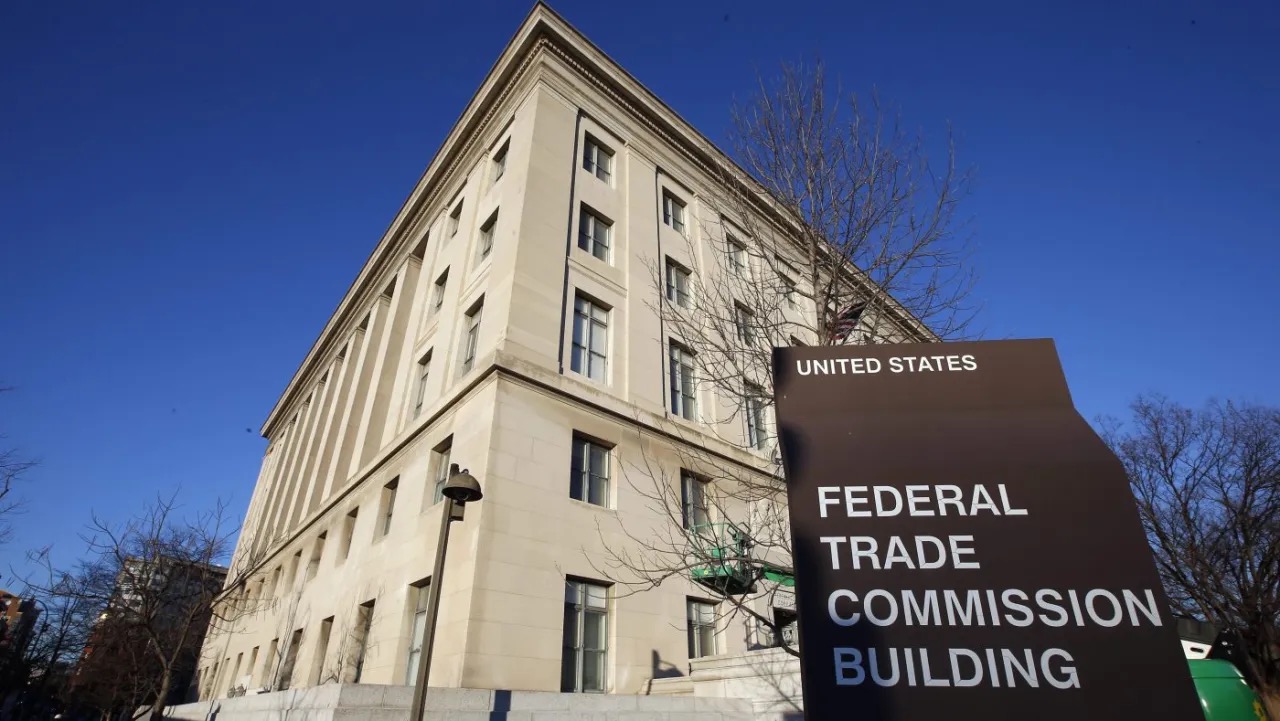
In a sweeping rebuke of federal overreach, a U.S. District Court judge has issued a preliminary injunction halting the Federal Trade Commission’s investigation into the progressive watchdog group Media Matters for America. The judge’s ruling strongly criticized the agency’s conduct and warned that the investigation represented a direct threat to constitutional protections, particularly freedom of the press and freedom of speech.
The case has quickly become a national flashpoint, raising fundamental questions about the role of regulatory agencies, the boundaries of government authority, and the increasingly fragile state of press freedoms in the United States.
At the center of the controversy is a civil investigative demand (CID) issued by the FTC earlier this year, requesting internal communications, strategic planning documents, and external correspondence from Media Matters. The inquiry stemmed from the organization’s reporting on advertising placements on the social media platform X (formerly Twitter), which it alleged were appearing alongside extremist and hate-filled content. The reporting led to significant advertiser backlash against X, prompting an outcry from the platform’s owner and a cascade of legal and political responses.
In her ruling, U.S. District Judge Sparkle Sooknanan did not mince words. She described the FTC’s investigation as “retaliatory in nature” and said it appeared to be driven by political motivations rather than any genuine regulatory concern.

“It should alarm all Americans when the government retaliates against individuals or organizations for engaging in constitutionally protected public debate,” Sooknanan wrote. “And that alarm should ring even louder when the government retaliates against those engaged in newsgathering and reporting.”
The judge’s language signaled a deep concern over what she called a “chilling effect” on speech. According to court documents, Media Matters had already curtailed some of its reporting in the wake of the investigation, citing fear of further government scrutiny. Sooknanan argued that such a response was precisely what the First Amendment is designed to prevent.
The FTC had defended its inquiry as a legitimate antitrust investigation, suggesting that Media Matters may have colluded with other organizations or advertisers to coordinate an advertising boycott of X. The agency claimed its probe was not about silencing a media outlet, but about ensuring fair market behavior.
However, the court was unconvinced. The ruling pointed out that Media Matters’ activities—especially the publication of information and analysis critical of corporate behavior—fell squarely within the protections of the First Amendment. The judge also raised doubts about the legal foundation of the FTC’s claims, calling the demand for internal strategy documents and editorial discussions “incredibly broad” and “highly invasive.”
This is not the first time a government agency has come under fire for investigating a press organization. But what has set this case apart is the political context surrounding the investigation.
The FTC’s inquiry came months after Elon Musk, owner of X, launched a very public campaign against Media Matters. Musk accused the organization of manipulating data and intentionally misleading advertisers, and he filed lawsuits both in the U.S. and abroad. His allies in Congress and within federal agencies called for investigations into Media Matters, claiming it had overstepped its role as a media watchdog and was now actively trying to damage businesses for ideological reasons.
Critics of the FTC’s action argue that the investigation is just one part of a larger campaign to intimidate dissenting voices, particularly progressive media outlets that challenge the narratives promoted by powerful business and political interests. They see the probe as emblematic of a broader pattern of authoritarian tactics designed to stifle criticism and suppress independent journalism.
Supporters of the investigation, however, maintain that media organizations must be held accountable if they engage in deceptive practices or work with third parties to influence markets unfairly. They argue that watchdog groups are not immune from scrutiny, especially when their activities may have financial consequences for other entities.
Yet legal experts note that such scrutiny must not come at the expense of constitutional rights. In issuing the injunction, Judge Sooknanan emphasized that government agencies must tread carefully when their actions intersect with press freedoms. She noted that even the appearance of political retaliation can be enough to undermine public confidence in democratic institutions.
“This case presents a dangerous precedent,” she wrote. “If allowed to proceed, it would signal to all Americans—journalists, activists, and citizens alike—that speaking out against those in power could invite governmental retribution.”
The ruling does not end the case but puts the investigation on indefinite hold while Media Matters’ broader constitutional challenge proceeds through the courts. It also opens the door for similar organizations to push back against what they perceive as political targeting under the guise of regulation.
In a statement following the ruling, Media Matters called the decision “a critical victory for the First Amendment and for all those who believe in the role of a free and independent press.” The organization vowed to continue its work and to fight any further attempts to “weaponize the machinery of government” against it.
The FTC has not yet announced whether it will appeal the injunction, though legal analysts expect the matter to eventually reach a higher court. In the meantime, the case remains a potent reminder of the tensions between government oversight and press independence—and of how delicate that balance can become in an era of deep political polarization.

Whether this ruling will ultimately shield other watchdogs and media organizations from similar investigations remains to be seen. But for now, the judge’s stark warning resonates: when the government targets those who investigate and report on power, the entire foundation of democracy is at risk.