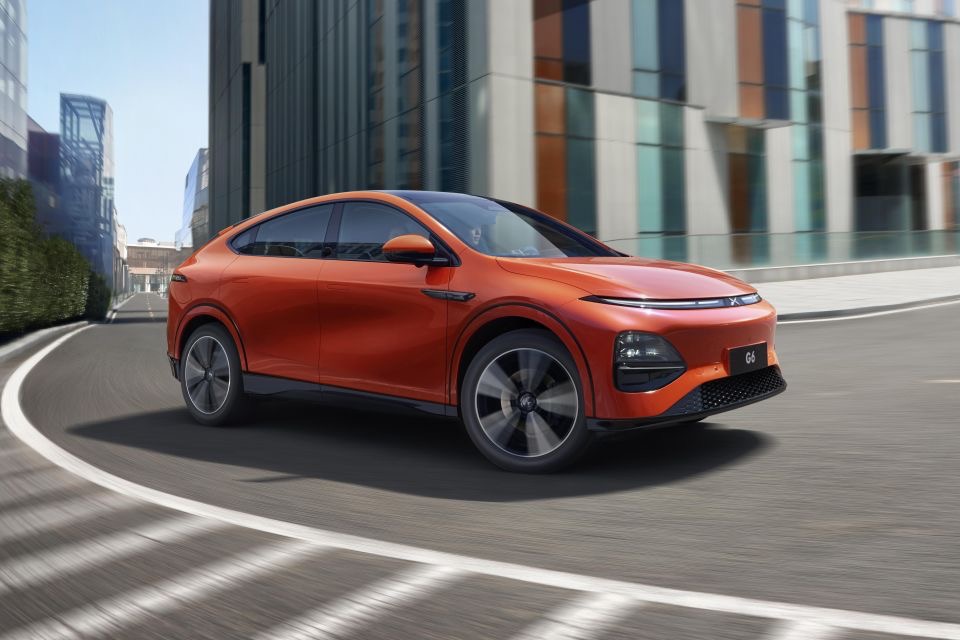
In a surprising turn in the global automotive market, a new study reveals that European consumers are now more inclined to consider buying Chinese-manufactured vehicles than those made in the United States. This shift underscores a dramatic rebalancing in international brand perception, value expectations, and consumer trust — with long-term implications for both Chinese and American automakers.
For years, American car brands have enjoyed a relatively strong foothold in parts of Europe, known for their powerful engines, iconic models, and aggressive marketing. However, recent trends show a significant decline in interest, particularly in a Europe that is increasingly concerned with affordability, electric vehicle (EV) accessibility, and value for money — areas where Chinese manufacturers are beginning to excel.
Changing Perceptions
Chinese car brands have worked relentlessly over the past five years to improve their image. Once synonymous with cheap construction and questionable safety standards, these manufacturers are now launching models that rival — and in some cases exceed — Western competitors in terms of design, technology, and innovation. This effort is beginning to pay off.
A growing number of European consumers are now open to the idea of purchasing a Chinese car. While trust in these brands still has room to grow, the perception gap is closing. Buyers, especially younger ones and those shopping in the affordable EV segment, are more willing than ever to explore alternatives beyond legacy Western brands.
In contrast, American automakers are facing an image problem. While their larger, premium models continue to find buyers, especially in luxury segments, there is a growing perception among European consumers that American cars are too expensive, oversized, and not well-suited for narrow European roads or environmental priorities. The lack of competitively priced, compact electric vehicles from U.S. manufacturers has left them vulnerable to competition from more agile Asian brands.
Price and Value Drive Decisions
One of the major reasons for this shift is price. Chinese automakers have positioned themselves aggressively in terms of affordability. As cost of living pressures continue to mount across Europe, budget-conscious consumers are rethinking brand loyalty and are increasingly willing to try newer, less familiar manufacturers if it means getting better value.
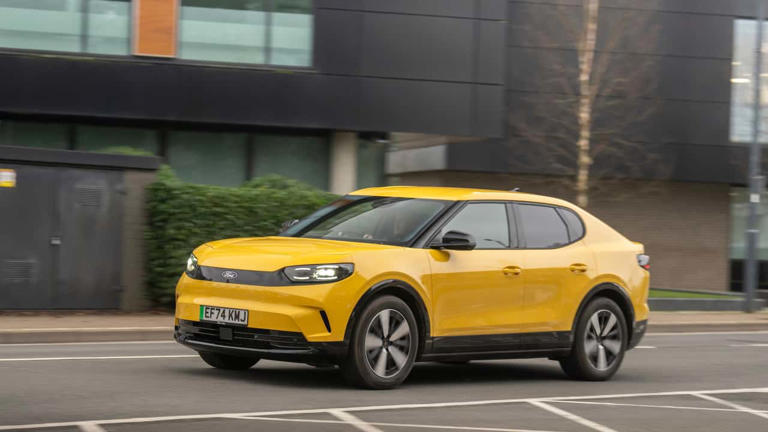
Unlike the past, where low price was associated with low quality, modern Chinese cars are proving that affordability and innovation can go hand-in-hand. Many new models offer cutting-edge features like advanced driver assistance systems, long-range battery performance, and high-tech infotainment — often as standard — for significantly less than their American or European counterparts.
This cost-value equation is particularly appealing in the fast-growing electric vehicle sector. China’s deep investment in EV battery production, combined with strong domestic demand and government support, has enabled its automakers to scale production efficiently. As a result, Chinese EVs entering the European market are often not just cheaper but also more technologically advanced than many of the electric offerings from American brands.
Trust Still a Hurdle, But Falling
Trust remains a barrier, but it’s eroding quickly. European buyers are becoming increasingly familiar with Chinese car brands through online reviews, social media, and third-party evaluations. Word-of-mouth and personal experiences are gradually overturning dated perceptions.
Meanwhile, Chinese companies are investing heavily in establishing dealer networks, improving after-sales support, and ensuring compliance with European safety standards. These efforts are essential for building long-term credibility — and early signs suggest they’re working.
In contrast, American automakers appear to be struggling with consistency in the European market. Periodic issues with service availability, slower response to EV trends, and high price points have alienated some buyers. While legacy names like Ford and Tesla still command attention, their grip is slipping, especially outside the premium or performance segments.
The EV Effect
Electric vehicles are at the heart of this transformation. Europe’s push toward electrification — driven by government mandates, urban environmental zones, and climate-conscious consumers — has created an intense demand for affordable, efficient EVs. Chinese brands are filling this gap faster than American companies.
Many U.S. automakers have focused their EV efforts on large SUVs and pickups — popular in the domestic U.S. market but less practical for European cities. The result is a mismatch: American brands offer EVs that are often too expensive or oversized for the average European buyer.
Meanwhile, Chinese manufacturers are launching compact EVs tailor-made for urban mobility, often with surprisingly long ranges, smart features, and competitive warranties. For consumers looking to transition to electric without breaking the bank, Chinese cars are becoming an obvious choice.

National Identity Less Important
Another subtle but powerful factor behind this shift is a diminishing emphasis on brand nationalism. For younger consumers in particular, brand origin matters less than price, performance, and features. This generation, raised in a globalized digital economy, is more willing to judge a car based on its specs and user experience than on where it was built.
As such, loyalty to American brands — once strong in some parts of Europe due to cultural associations with Hollywood and U.S. pop culture — is weakening. Today’s buyer is more pragmatic, and more open to experimentation.
Looking Ahead
While it remains to be seen whether these shifting preferences will result in long-term market dominance for Chinese automakers, the trend is undeniable: Chinese car brands are gaining ground fast, while American manufacturers risk falling further behind if they fail to adapt.
To remain competitive, U.S. brands will need to rethink their European strategies — with a sharper focus on affordability, compact design, and EV innovation. Without this, they may continue to lose relevance in one of the world’s most discerning and competitive automotive markets.
Europe is changing — and with it, the cars people want to drive.