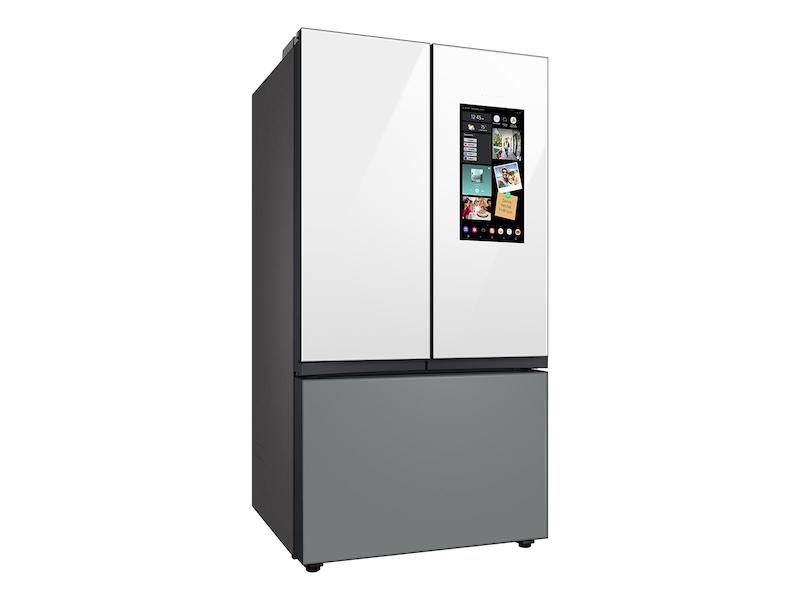
Samsung has quietly begun displaying advertisements on the screens of its popular Family Hub smart refrigerators in the United States, a move that has sparked mixed reactions among customers. The ads appear on the fridge’s large touchscreen display when it is idle, blending marketing messages into the home environment in a way that many consumers find unexpected, if not unwelcome.
Ads Arrive on a Premium Appliance
The Family Hub refrigerators, which retail between approximately $1,800 and $3,500, are positioned as high-end kitchen appliances that combine the utility of a traditional fridge with smart-home connectivity and entertainment features. The large touchscreen serves many purposes: displaying family calendars, streaming music, showing recipes, and even acting as a digital photo frame.
Until recently, the screen’s idle mode either displayed family photos, artwork, or weather updates, offering a visually pleasing or functional “cover screen.” Now, Samsung has rolled out a software update that introduces advertisements into this idle state, embedding promotional content and curated ads alongside existing features.
While the ads do not appear when the screen is actively in use or displaying photos or artwork, they do appear during other popular modes like weather updates or daily reminders. This subtle integration means users can expect to see ads regularly if they spend much time in these modes.

The Company’s Justification
Samsung has presented the advertising initiative as a way to offer added value to customers through curated promotions and relevant information. The company suggests this new feature can provide users with deals or content tailored to their preferences, potentially enhancing the smart appliance experience.
From Samsung’s perspective, the introduction of ads helps monetize a growing ecosystem of connected appliances and devices. Given the significant investment in smart technology built into these refrigerators, generating new revenue streams through advertising is a logical, if controversial, step.
Consumer Concerns and Backlash
For many consumers, however, the presence of advertisements on a refrigerator screen crosses an invisible line between utility and intrusion. Owners who paid premium prices for these appliances expected them to serve their family needs without the distraction of commercial messages in the kitchen — a private and personal space.
The backlash has centered on the surprise factor and the feeling that Samsung did not sufficiently warn buyers that ads would become part of their user experience after purchase. Many feel blindsided, frustrated, and in some cases betrayed, as the refrigerator’s touchscreen was marketed as a smart hub for family connection, not an advertising platform.
Control and User Experience
Samsung has built in some controls to mitigate the annoyance: users can dismiss ads when they appear, and the company says once an ad is dismissed during a campaign period, it won’t return. Despite this, users report that the ads can still be distracting or feel invasive, especially when the screen is expected to be idle and unobtrusive.
Another concern is that ads cannot be fully disabled unless users disconnect their fridge from the internet, a move that sacrifices many of the smart features and convenience that owners bought into. For families that rely on connected calendars, recipe suggestions, and voice commands, disconnecting is not an appealing option.
The Growing Trend of Ads in Unexpected Places
Samsung’s move is part of a broader trend of integrating advertising into a wider range of devices and everyday appliances. From smartphones to televisions, and now refrigerators, companies are finding new ways to capitalize on captive screens in users’ daily environments.
While ads in televisions and mobile apps are familiar and expected, the kitchen is traditionally viewed as a private, family-centric space. Introducing advertising here challenges long-held consumer expectations about where and when commercial messages should appear.
Critics worry this could be just the beginning. If advertising on refrigerators becomes normalized, other household appliances—such as ovens, microwaves, or washing machines—could soon follow. The notion of “smart” devices might become increasingly tied to their ability to serve ads, raising questions about privacy, user experience, and consumer rights.
Balancing Innovation with User Trust
For Samsung, balancing the drive for innovation and revenue generation with user satisfaction will be key. The company must walk a fine line between offering useful, integrated features and avoiding alienating customers who feel their homes have become digital billboards.
Many users appreciate the technology and convenience of the Family Hub refrigerators but express discomfort with the commercialization of their kitchen spaces. Some industry observers believe that clearer communication at the point of sale and greater user control over ad content and display frequency could ease tensions.
What This Means for the Future
Samsung’s introduction of ads on smart refrigerators raises broader questions about the evolving role of smart home technology. As connectivity and interactivity become standard, consumers may need to reassess their expectations about privacy and commercial influence within their own homes.
The move also reflects a shift in business models. Hardware sales alone may no longer be sufficient to support the development of increasingly sophisticated smart appliances. Companies are exploring advertising and subscription services to create ongoing revenue, often after the initial purchase.
Whether this trend will gain widespread acceptance remains uncertain. Some consumers might appreciate relevant offers and promotions on their kitchen screens, while others may push back hard, demanding ad-free experiences in their personal spaces.
What Consumers Can Do
For now, owners of Samsung Family Hub refrigerators can take steps to minimize ad exposure by adjusting display settings to favor art mode or personal photo galleries, where advertisements do not appear. Users can also actively dismiss ads to reduce repetition during specific campaigns.
However, those deeply uncomfortable with the ads may consider reaching out to Samsung for clarity or support, or advocating for opt-out options in future software updates.
Conclusion
Samsung’s decision to bring advertisements to the screens of its smart refrigerators marks a significant development in the intersection of home technology and digital marketing. It spotlights how the connected home is evolving—not just as a space for convenience and entertainment, but also as a platform for commerce.
As smart appliances continue to proliferate, manufacturers and consumers alike will need to navigate the delicate balance between innovation, revenue, and the preservation of private, ad-free environments within the home.