Yum! Brands, the global restaurant conglomerate behind KFC, Taco Bell, and Pizza Hut, announced this week that it is exploring “strategic alternatives” for its iconic pizza chain — a move that could lead to a full or partial sale. The decision marks one of the most significant shifts in Yum’s corporate strategy in years and underscores the growing challenges facing Pizza Hut in an increasingly competitive and fast-changing fast-food landscape.
The announcement came as a surprise to many in the industry. Pizza Hut, long considered one of the jewels in Yum’s portfolio, has been part of the company’s identity since it was spun off from PepsiCo in the late 1990s. Yet despite its global reach and brand recognition, the chain has struggled in recent years to keep pace with consumer trends and nimbler competitors.
A Legacy Brand Facing Modern Challenges
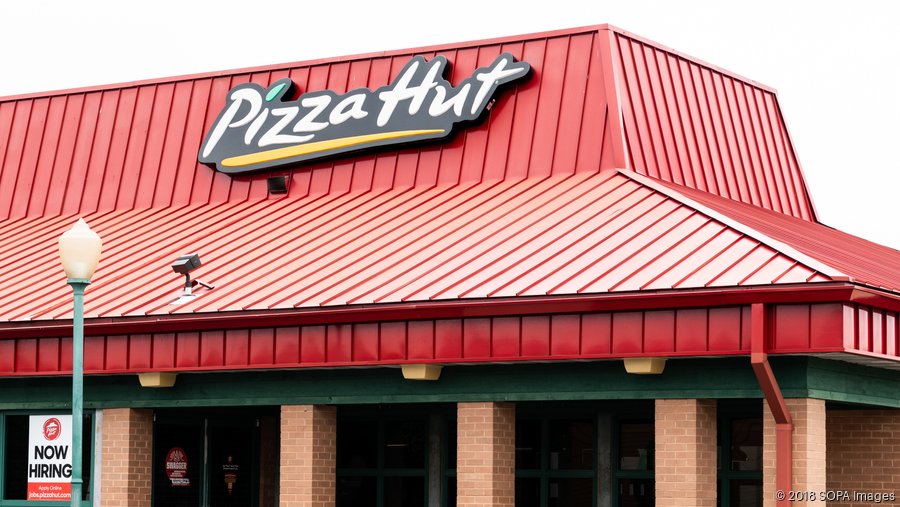
Founded in 1958 in Wichita, Kansas, Pizza Hut helped define the concept of family-style, dine-in pizza restaurants. Its red-roofed buildings and iconic pan pizzas became symbols of American comfort food. For decades, the chain dominated the pizza segment both in the U.S. and abroad. However, the market that Pizza Hut helped build has evolved dramatically, and the brand has found itself lagging behind rivals like Domino’s and Papa Johns, which embraced technology and delivery-centric models much earlier.

While Pizza Hut has invested in digital ordering and delivery platforms, it remains burdened by a large number of dine-in stores, particularly in the United States. Many of these locations are older and costly to operate compared to the delivery and carryout units that now dominate the market. Consumers have increasingly favored convenience, speed, and app-based ordering, leaving Pizza Hut’s traditional format feeling outdated.
In recent quarters, the chain’s domestic performance has reflected these struggles. Same-store sales in the U.S. have declined, and the company has faced mounting pressure from franchisees to modernize operations. Although Pizza Hut continues to perform strongly in certain international markets — particularly in Asia, where it operates through a separate Yum China division — its core North American business has remained a weak spot for Yum! Brands.
Why Yum Is Considering a Sale
For Yum, the potential sale of Pizza Hut represents both a financial and strategic opportunity. The company’s other major brands, KFC and Taco Bell, have outperformed Pizza Hut consistently, with both posting strong sales growth and expanding their global presence. Taco Bell’s dominance in the fast-casual segment and KFC’s continuing international momentum have given Yum confidence that its growth engine lies elsewhere.
By contrast, Pizza Hut has required significant investment to stay competitive. Modernizing its stores, rebranding its image, and maintaining franchisee support have all demanded time and capital that Yum may prefer to redirect toward its faster-growing businesses. Executives reportedly believe that Pizza Hut could thrive better under new ownership that can focus exclusively on the pizza category.
Industry analysts have noted that such a move could unlock considerable value for shareholders. Yum’s stock jumped following the announcement, suggesting investors see potential in a leaner portfolio focused on high-performing brands. The company has emphasized that no final decision has been made and that the strategic review process is still in its early stages. However, the possibility of a sale — once unthinkable — is now being seriously considered.
Potential Buyers and Market Impact
If Yum ultimately decides to sell Pizza Hut, it would instantly become one of the largest transactions in the restaurant industry in years. The brand still operates nearly 20,000 locations across more than 100 countries, making it one of the world’s biggest pizza chains. Analysts believe that private equity firms, large franchise groups, or even international restaurant operators could emerge as potential buyers.
Private equity investors have shown growing interest in established but underperforming food brands, betting that operational changes and targeted investment can reignite growth. For a buyer willing to modernize Pizza Hut’s operations — possibly focusing on smaller, delivery-oriented units — the brand’s strong recognition and global footprint could be an attractive asset.
However, any sale would also present challenges. Pizza Hut’s franchise network is vast and complex, with many franchisees tied to older store models. Transitioning ownership could raise questions about franchise agreements, capital requirements, and long-term support. Additionally, the brand faces an intensely competitive pizza market, where technology-driven operators like Domino’s continue to set the pace for innovation.
What the Future Could Hold
For Pizza Hut employees and franchisees, the announcement brings uncertainty but also the potential for renewal. A sale could usher in new leadership, investment, and a clearer strategic vision. New ownership might accelerate modernization efforts, revamp the menu, and strengthen delivery partnerships.
For Yum! Brands, the move signals a broader strategic pivot. The company appears intent on sharpening its focus on brands with the highest growth potential. Taco Bell continues to expand aggressively in international markets, while KFC’s modernization efforts have paid off with strong digital sales and new store formats. By contrast, Pizza Hut’s turnaround has proven slower and more resource-intensive, prompting Yum’s leadership to reassess its long-term fit within the company’s portfolio.
Despite the uncertainty, Yum has emphasized that Pizza Hut remains a valuable brand with loyal customers and a powerful global presence. The company insists that its review process will be thorough and deliberate, and that no timeline has been set for a decision.
A Turning Point for a Global Icon
The potential sale of Pizza Hut marks a historic moment for one of the world’s most recognizable restaurant brands. For decades, Pizza Hut has been synonymous with family dining, weekend takeout, and nostalgia for millions of customers worldwide. Yet the chain now stands at a crossroads, caught between its storied past and the demands of a new, digital-first dining era.
Whether the outcome is a sale, a restructuring, or a renewed commitment within Yum’s portfolio, the move underscores a broader truth about today’s restaurant industry: legacy alone is no longer enough. Success depends on adaptability, speed, and the ability to meet customers where they are — often on their phones, not in a red-roofed restaurant.
As Yum! Brands weighs its options, the world will be watching closely. The decision could reshape not only Pizza Hut’s future, but also the broader competitive landscape of global fast food — and perhaps mark the end of an era for one of America’s most enduring dining icons.