


In a groundbreaking move at the intersection of technology and entertainment, OpenAI and The Walt Disney Company have finalized a major licensing agreement that will bring more than 200 of Disney’s beloved characters into the realm of generative artificial intelligence. The deal, which is structured entirely through stock rather than upfront cash payments, marks a significant evolution in how content creators and technology companies collaborate, potentially reshaping the future of storytelling and AI-driven media.
Unlike traditional licensing agreements, which typically involve upfront fees or royalties, this arrangement allows Disney to receive stock in OpenAI as part of the compensation. This novel structure aligns both companies’ long-term interests, giving Disney potential equity upside as OpenAI’s valuation grows, rather than immediate cash payments. The all-stock nature of the deal also signals a high degree of confidence in the future growth and innovation of OpenAI, underscoring the tech company’s rising prominence in both the AI and creative industries.
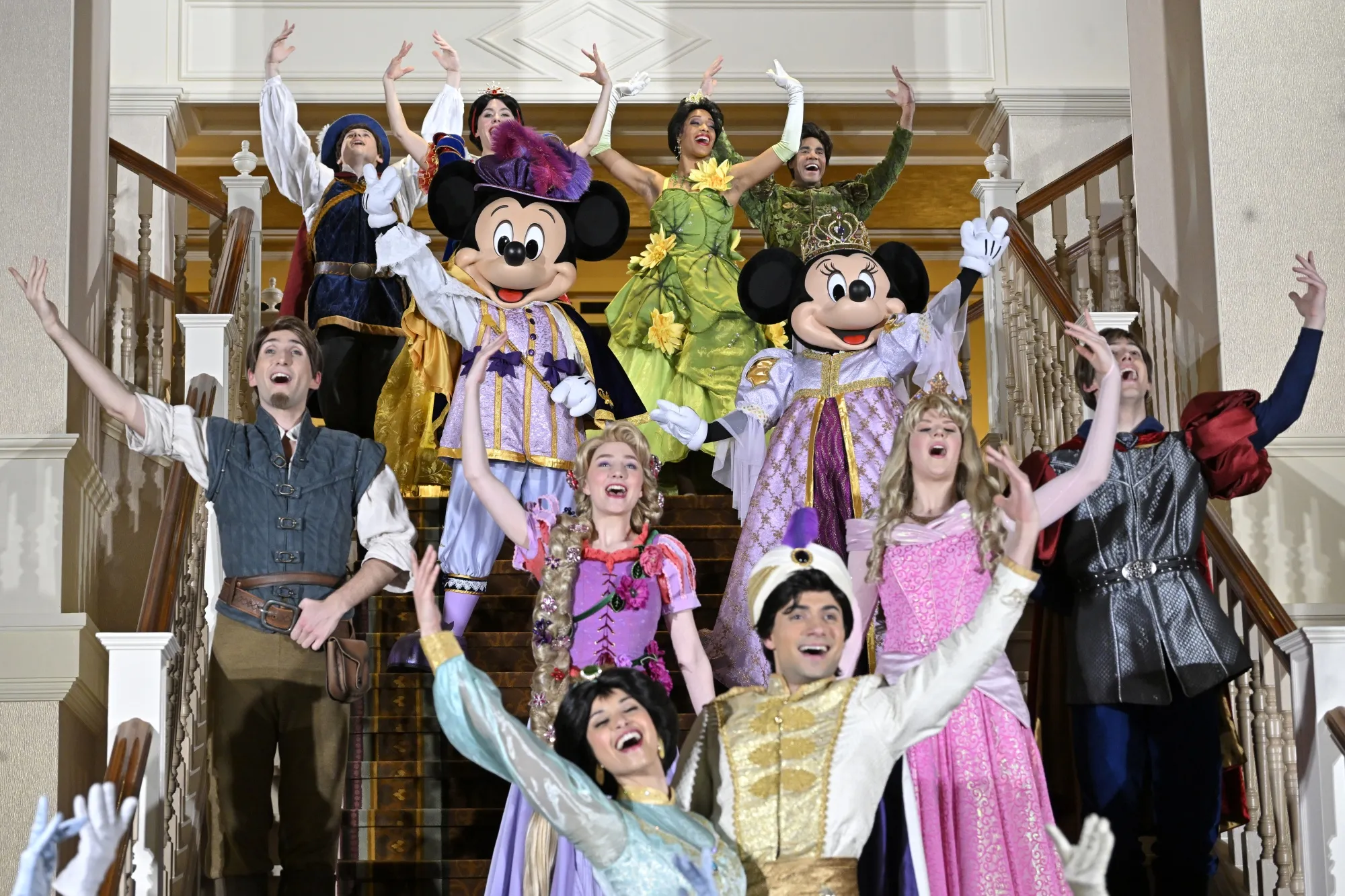
The scope of the agreement is extensive. OpenAI now has the rights to incorporate characters from Disney’s iconic animated classics, Pixar films, Marvel superheroes, and the Star Wars universe into AI-generated content, particularly through its Sora video creation platform. However, the deal explicitly excludes the use of real actors’ likenesses and voices, ensuring that the agreement respects individual performers while still unlocking a vast array of fictional characters for AI-driven storytelling.
Disney’s engagement in the deal extends beyond licensing. The company has also made a substantial equity investment in OpenAI, reportedly totaling around one billion dollars. This investment is not only a financial stake but also a signal of a deeper strategic partnership. Disney plans to integrate OpenAI’s technologies, such as ChatGPT, into internal workflows and possibly into its streaming platforms, potentially enhancing personalization, content creation, and operational efficiencies across its media ecosystem.
From OpenAI’s perspective, the partnership represents a major milestone in legitimizing the use of intellectual property within generative AI. Until now, much of the debate surrounding AI and creative content has centered on issues of copyright and unauthorized use of characters and creative works. By securing Disney’s official license, OpenAI can offer a new form of creative interaction that is both legal and officially sanctioned. Users will soon be able to generate AI-powered short videos and imagery featuring characters from Disney, Marvel, Pixar, and Star Wars in ways that were previously impossible without explicit permissions.
The collaboration also reflects a careful balance between innovation and responsibility. OpenAI CEO Sam Altman emphasized that the partnership is a model for how technology firms and entertainment giants can collaborate ethically. By establishing clear boundaries—such as prohibiting the use of actors’ likenesses—the companies aim to ensure that generative AI expands creative possibilities without infringing on the rights of creators or performers.
Industry observers have hailed the deal as a turning point in the relationship between Hollywood and artificial intelligence. Previously, many studios and talent agencies expressed concern over AI’s ability to replicate copyrighted works, fearing that such technology could undermine traditional creative industries. The OpenAI–Disney arrangement flips this narrative, showing that major intellectual property holders can embrace AI while still protecting their brand and creative assets. The partnership may serve as a blueprint for other content owners seeking to navigate the challenges and opportunities presented by AI.
Despite its promise, the agreement has generated some controversy. Creative industry groups, including writers’ organizations, have expressed apprehension that the collaboration could inadvertently normalize AI-generated content as a replacement for human creators. While Disney and OpenAI have emphasized safeguards and the ethical use of technology, questions remain about how generative AI will impact employment, creative control, and the broader landscape of media production. Nonetheless, proponents argue that officially sanctioned AI licensing could foster new forms of creativity, enabling fans and creators to experiment with content in ways that were previously restricted.

The immediate impact of the agreement will be felt on the Sora platform, where licensed characters are expected to appear in user-generated AI videos and imagery starting in early 2026. The platform will allow fans to engage with Disney’s characters in personalized, interactive experiences, blurring the line between audience and storyteller. Selected user-generated content may even be showcased on Disney’s official channels, creating a feedback loop where fan creativity and corporate IP converge in a novel, mutually beneficial ecosystem.
In the broader context, the OpenAI–Disney deal exemplifies how technology and entertainment are converging. As AI tools become increasingly capable of producing high-quality visual and narrative content, content owners face both risks and opportunities. By structuring this partnership through stock-based compensation and strategic investment, Disney has positioned itself to benefit from the rise of AI while retaining control over its intellectual property. At the same time, OpenAI gains not only access to a rich portfolio of globally recognized characters but also credibility and legitimacy in the eyes of regulators, creators, and the public.
The deal also raises important questions about the future of creative industries. How will AI-generated content coexist with human-created works? What safeguards are necessary to protect the rights of performers and writers? And how will audiences respond to a new era in which the lines between official content and fan-driven AI creations are increasingly blurred? The OpenAI–Disney partnership does not provide all the answers, but it represents a bold step toward integrating artificial intelligence into mainstream storytelling while respecting the value of intellectual property.
As audiences, creators, and technologists look ahead to 2026 and beyond, the implications of this agreement are far-reaching. It has the potential to redefine fan engagement, shape the economics of content creation, and establish new norms for how intellectual property is licensed and leveraged in the age of AI. Whether the experiment succeeds will depend on execution, transparency, and the ability of both companies to balance innovation with responsibility. But one thing is clear: the partnership between OpenAI and Disney is a landmark moment that signals the beginning of a new era in creative collaboration.






