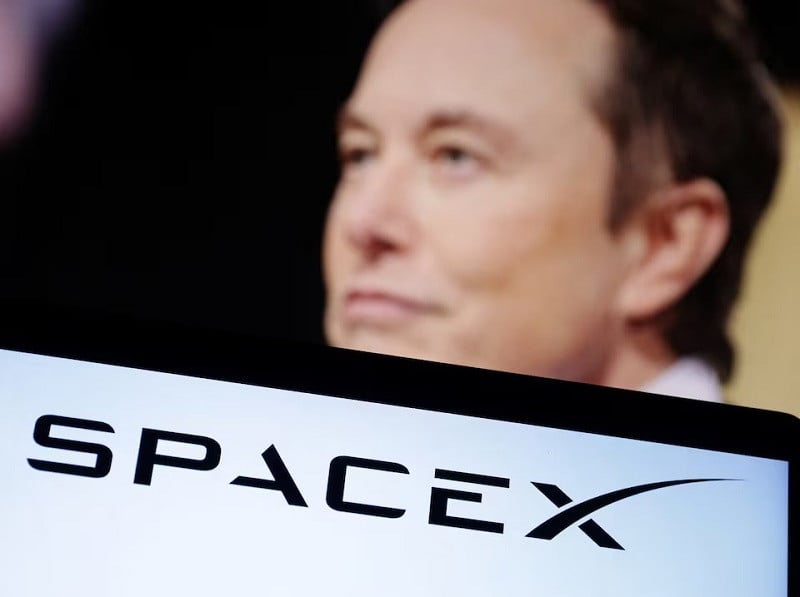
Elon Musk has reached an unprecedented financial milestone, with his net worth hitting $600 billion, making him the richest person in modern history. This staggering figure reflects the combined success of his various ventures, most notably Tesla, the electric vehicle and clean energy company, and SpaceX, the private aerospace giant that is preparing for a highly anticipated initial public offering. The milestone marks a defining moment in the intersection of technology, entrepreneurship, and wealth accumulation.
Musk’s rise to the top of the global wealth rankings has been driven primarily by Tesla’s remarkable growth. The company has maintained a dominant position in the electric vehicle market despite increasing competition from traditional automakers and newer startups. Tesla’s continued expansion into international markets, coupled with strong demand for its innovative vehicles, has significantly boosted Musk’s fortune. Breakthroughs in battery technology, autonomous driving software, and AI integration have not only enhanced Tesla’s market position but have also contributed to investor confidence, further inflating Musk’s net worth.
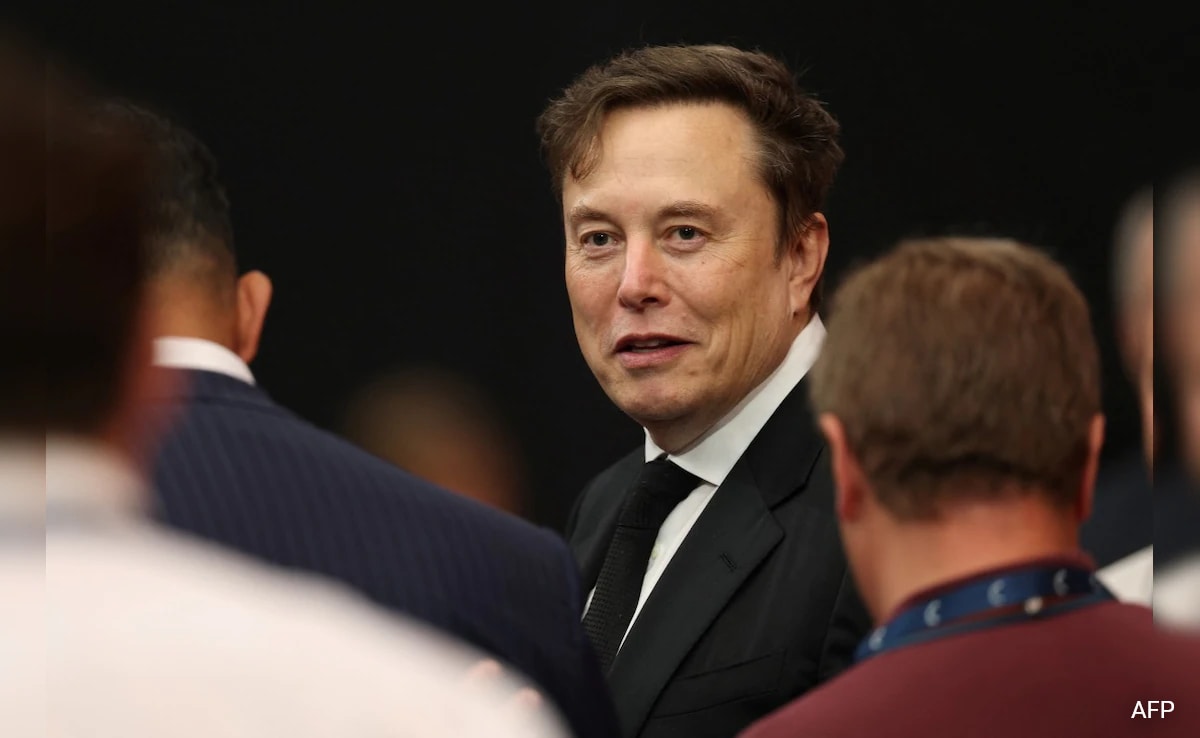
While Tesla remains a major component of Musk’s fortune, SpaceX represents a particularly compelling opportunity for additional growth. The aerospace company, which has already achieved historic milestones in commercial spaceflight, satellite deployment, and reusable rockets, is preparing for a public listing that could transform Musk’s financial profile once again. Analysts predict that SpaceX’s IPO could value the company at over $150 billion, reflecting both its current technological achievements and its long-term growth potential.
The company’s Starship program, designed to carry humans to Mars and revolutionize interplanetary travel, has captured public imagination and investor enthusiasm alike. Starlink, SpaceX’s satellite internet venture, is rapidly expanding its user base, providing high-speed connectivity to underserved regions around the globe. These ventures position SpaceX not only as a space exploration company but also as a commercial enterprise capable of generating significant recurring revenue. The IPO is widely expected to be one of the most watched and influential in recent years, with the potential to reshape both the aerospace sector and the broader technology market.
Musk’s financial ascent has sparked widespread discussion about wealth concentration in the modern economy. Few individuals have ever held financial influence on the scale Musk commands. Critics argue that such extraordinary wealth can lead to imbalances in power and influence, particularly when an individual is actively involved in multiple high-impact industries. Supporters counter that Musk’s ventures—ranging from sustainable energy to space exploration—have yielded innovations that benefit society as a whole, positioning him as a visionary entrepreneur whose wealth reflects his capacity to drive transformative change.
Tesla’s stock performance has played an outsized role in Musk’s fortune. The company has consistently demonstrated resilience in the face of global economic shifts, supply chain challenges, and market competition. Tesla’s market dominance is bolstered by continuous innovation in electric vehicle design, software, and energy storage solutions. Musk’s leadership has been instrumental in maintaining investor confidence, particularly during periods of volatility, demonstrating the value of a visionary founder in shaping a company’s trajectory and, by extension, his own financial standing.
SpaceX, by contrast, represents the next frontier for Musk’s wealth accumulation. Its public offering is expected to provide liquidity for existing investors and employees while establishing a new benchmark for valuation in the aerospace sector. The combination of commercial satellite services, government contracts, and ambitious space exploration projects creates a diversified revenue stream that enhances both the company’s valuation and Musk’s personal fortune. The IPO is anticipated to be a transformative event for the aerospace industry, elevating public awareness of private space ventures and potentially setting a new standard for commercial space investment.
Musk’s journey to $600 billion has not been without controversy. His high-profile persona, outspoken statements, and social media activity have occasionally triggered market fluctuations and public debate. Regulatory scrutiny and legal challenges have also intersected with his business ventures, underscoring the complexities of leading multiple high-profile companies simultaneously. Yet despite these challenges, Musk has continued to achieve unprecedented financial and technological milestones, demonstrating both resilience and strategic acumen.
Financial analysts emphasize that Musk’s net worth is heavily tied to the performance of his holdings, particularly Tesla and SpaceX. Stock price fluctuations, regulatory changes, and unforeseen market events could influence the valuation of these assets, meaning that Musk’s wealth, while enormous, remains dynamic and subject to change. Nonetheless, the impending SpaceX IPO is widely seen as a catalyst that could propel Musk’s net worth even higher, potentially extending his lead as the wealthiest individual in history.
The broader implications of Musk’s financial milestone are significant. At $600 billion, his net worth exceeds the GDP of many countries, illustrating the extraordinary concentration of wealth in a single individual. Yet Musk has framed his wealth not as an end in itself but as a tool to achieve ambitious goals—from colonizing Mars and advancing renewable energy to pioneering AI and global internet connectivity. This framing positions him as both a symbol of technological ambition and a central figure in ongoing debates about the role of ultra-wealthy individuals in society.
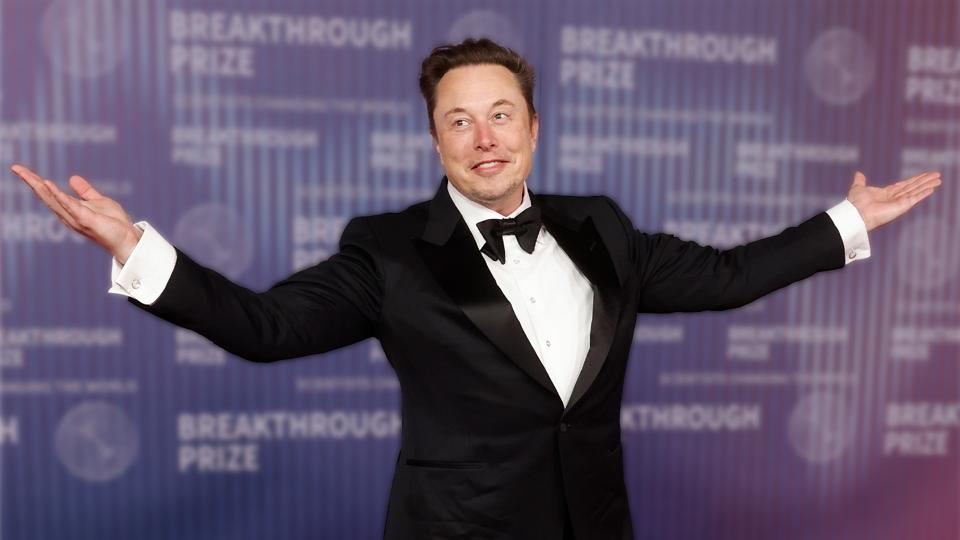
As SpaceX prepares for its public debut, the world will be watching closely to see how Musk’s fortune evolves and how the IPO impacts the aerospace industry. Investors, competitors, and the general public alike are poised to witness the next chapter in a remarkable financial journey that has redefined the boundaries of personal wealth and technological innovation. Whether through electric vehicles, reusable rockets, or satellite networks, Elon Musk continues to shape industries and inspire both admiration and scrutiny on a global scale.
In reaching $600 billion, Musk has not only set a historic benchmark for personal wealth but has also demonstrated the transformative potential of entrepreneurial vision in the 21st century. As Tesla continues to innovate and SpaceX prepares to go public, his influence over technology, commerce, and even the future of space travel seems likely to grow, illustrating the profound intersection of wealth, ambition, and global impact.