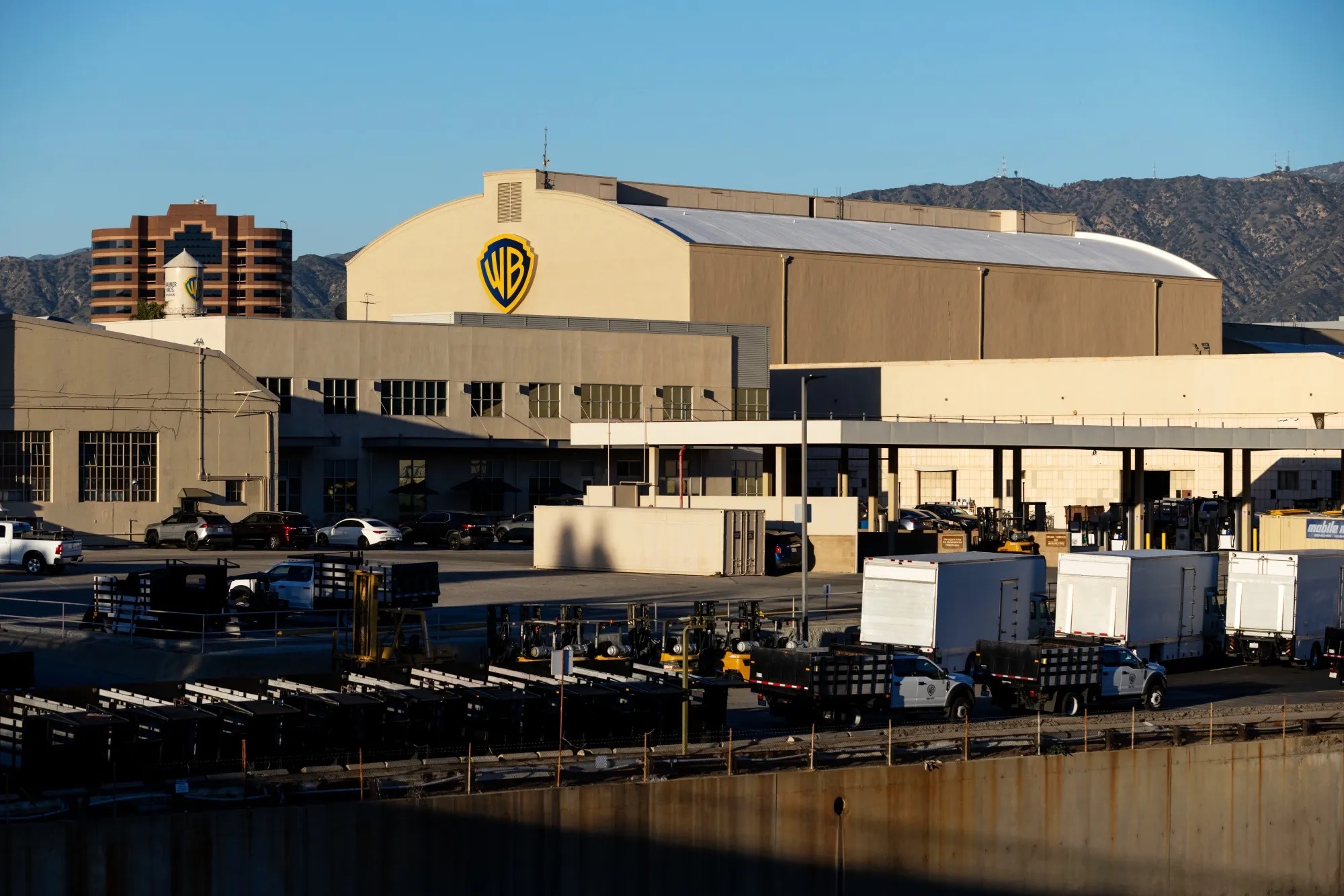
Warner Bros. Discovery is preparing to reject a takeover bid from Paramount, citing concerns over the proposed funding structure and deal terms, according to people familiar with the matter. The move signals the media company’s intention to stand by its current strategic path and avoid what executives see as a risky and uncertain transaction, despite the bid’s headline value.
Paramount’s proposal, which was taken directly to Warner Bros. shareholders, is valued at more than $100 billion and represents one of the boldest attempted consolidations in the modern entertainment industry. The offer is structured as an all-cash tender, backed by a complex mix of debt and equity commitments from financial partners. While the bid offered a premium to Warner Bros.’ recent share price, the company’s board has concluded that the financing arrangements and broader terms fall short of providing sufficient certainty.
At the heart of Warner Bros.’ concerns is the reliability of the funding package. Executives and board members have questioned whether all elements of Paramount’s financing are firmly committed and whether the deal could close smoothly in a volatile market. The proposal relies heavily on borrowed funds, raising fears that changing market conditions or lender hesitation could derail the transaction or force renegotiations later in the process.
Warner Bros. is also wary of the conditions attached to the offer. According to people briefed on internal discussions, the board believes the bid exposes shareholders to unnecessary execution and regulatory risks. The scale of the transaction would likely invite close scrutiny from competition authorities in the United States and abroad, potentially delaying completion or forcing asset sales that could undermine the deal’s strategic rationale.
Another factor weighing on the decision is Warner Bros.’ existing strategic alternatives. The company has been evaluating options to reshape its business as the traditional media landscape continues to be disrupted by streaming platforms and changing consumer habits. Executives believe those plans offer a clearer and more predictable path forward than Paramount’s unsolicited approach.
The board is expected to formally recommend that shareholders reject the Paramount bid, arguing that it undervalues Warner Bros. when adjusted for risk and uncertainty. While the headline price is higher than some internal valuations, directors believe the offer does not adequately compensate investors for the potential downsides, including high leverage and prolonged regulatory review.
Paramount, for its part, has portrayed the deal as a transformative opportunity that would create a global entertainment powerhouse with unmatched scale. The combined company would bring together film studios, television networks, and vast content libraries, positioning it to compete more aggressively in the streaming era. Paramount executives have argued that cost savings and synergies from such a merger would unlock long-term value.
Despite those claims, skepticism within Warner Bros. remains strong. Some executives are concerned that integrating two large, complex organizations would prove difficult and distract management at a time when the industry is already under pressure. Others point to cultural differences and overlapping assets that could complicate efforts to streamline operations.
The rejection of the bid also reflects broader caution across the media sector. After years of consolidation driven by cheap financing, rising interest rates and uncertain advertising markets have made boards more reluctant to embrace highly leveraged deals. Investors, too, have become more skeptical of large mergers that promise synergies but carry significant integration risks.
Warner Bros.’ decision does not necessarily end the takeover battle. Paramount could choose to sweeten its offer, simplify its financing structure, or seek to address the board’s concerns in other ways. Alternatively, it could continue to appeal directly to shareholders in hopes of building enough support to force negotiations.
For now, however, Warner Bros. appears determined to remain independent and focused on executing its own turnaround strategy. The company has been working to reduce debt, streamline operations, and prioritize its most valuable franchises and intellectual property. Management believes that disciplined execution, rather than a high-risk merger, will deliver better returns over time.
The situation highlights the high stakes facing legacy media companies as they navigate an industry in flux. Streaming competition, shifting advertising models, and changing viewer behavior have made scale both more important and more difficult to achieve. While consolidation remains a tempting solution, the Warner Bros.–Paramount standoff shows that not all deals, even large and headline-grabbing ones, are viewed as the right answer.

As shareholders await formal guidance from Warner Bros.’ board, the market will be watching closely to see whether Paramount revises its approach or walks away. Either outcome will have significant implications for the future shape of the entertainment industry and for how media companies pursue growth in an increasingly uncertain environment.