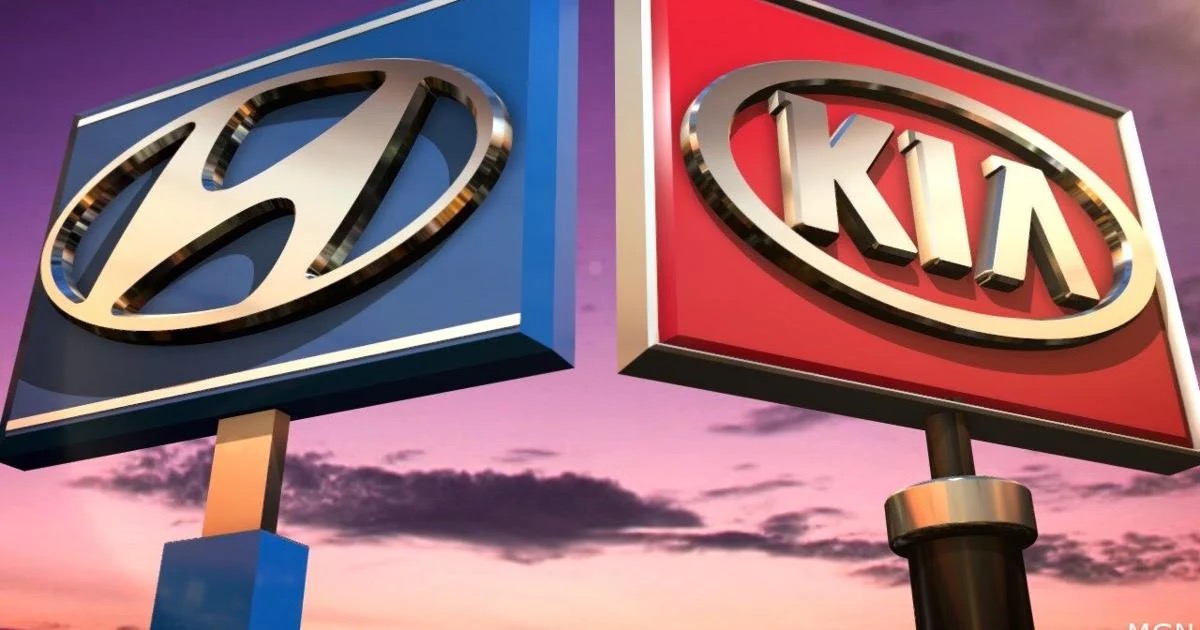
Hyundai and Kia have agreed to repair millions of vehicles across the United States as part of a sweeping settlement aimed at addressing vulnerabilities in anti-theft technology that left certain models easier to steal. The deal follows years of complaints from vehicle owners, rising theft rates in major cities, and pressure from state officials who argued the automakers failed to include widely used security features in many U.S.-sold vehicles.
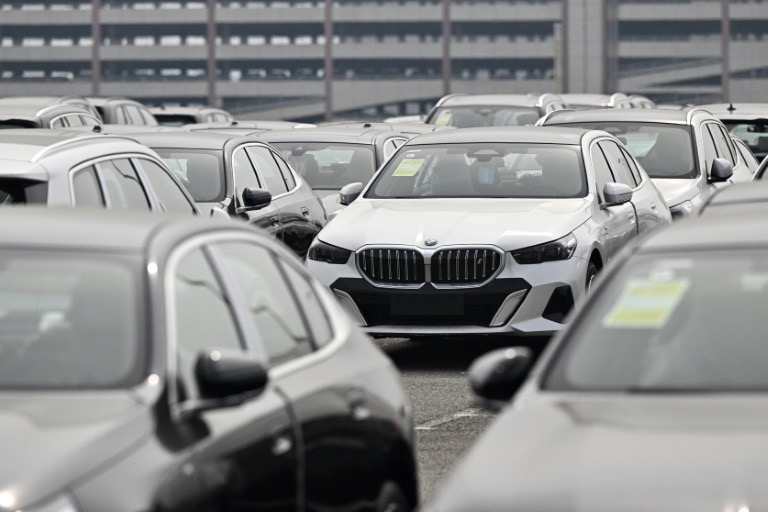
Under the agreement, Hyundai and Kia will provide free anti-theft upgrades for approximately nine million vehicles manufactured between 2011 and 2022. The affected vehicles were sold without engine immobilizers, a technology designed to prevent a car from starting unless the correct key or electronic signal is present. Immobilizers have long been standard equipment in many countries and are common across much of the auto industry.
The lack of immobilizers in certain Hyundai and Kia models became a major public issue after social media videos circulated showing how easily some of the vehicles could be stolen using basic tools. The videos quickly spread online and were linked by police departments to dramatic spikes in thefts of the two brands. In several cities, Hyundai and Kia models became among the most frequently stolen vehicles, placing additional strain on law enforcement and alarming owners.

State attorneys general from dozens of states joined together to negotiate the settlement, arguing that the automakers’ design decisions contributed to a nationwide theft problem. Officials said the agreement is intended not only to compensate vehicle owners, but also to improve public safety by reducing theft-related crashes, property damage and injuries.
As part of the settlement, Hyundai and Kia will install physical anti-theft upgrades at no cost to owners of eligible vehicles. The fix includes reinforcing the ignition system with additional hardware designed to prevent tampering and unauthorized starting. The companies have also committed to ensuring that all future vehicles sold in the U.S. include engine immobilizers or equivalent anti-theft technology as standard equipment.
In addition to vehicle repairs, the settlement provides financial relief for some affected owners. Drivers whose vehicles were stolen or damaged as a result of attempted thefts may be eligible for compensation to help cover repair costs, insurance deductibles, towing expenses and other related losses. The total cost of the settlement is expected to exceed hundreds of millions of dollars.
Hyundai and Kia said the agreement reflects their commitment to customers and to improving vehicle security. In statements, the companies emphasized that they have already taken steps to address theft concerns, including software updates, free steering wheel locks distributed through law enforcement agencies, and public awareness campaigns. The new deal, they said, builds on those efforts and provides a long-term solution.
Vehicle owners will be notified if their cars are eligible for the free repair and will be able to schedule appointments at authorized dealerships. Installation of the upgrades is expected to roll out gradually, with priority given to high-theft areas. Owners will have a limited window of time to receive the fix, though officials said ample notice will be provided.
Consumer advocates welcomed the settlement but said it underscores the importance of consistent safety standards across the auto industry. They noted that while immobilizers are not mandated by federal regulation in the U.S., they are widely recognized as an effective theft deterrent and have been standard in other countries for years. Advocates argue the situation highlights gaps in regulatory requirements and the consequences of cost-cutting decisions.
Law enforcement officials also praised the agreement, saying vehicle theft often fuels other crimes and places communities at risk. Stolen vehicles are frequently used in dangerous driving incidents, robberies and assaults, and theft rings can cause widespread damage beyond the initial loss of the car. Reducing theft rates, they said, can have a ripple effect on public safety.
For many Hyundai and Kia owners, the settlement brings relief after years of anxiety and financial strain. Some drivers reported repeated theft attempts or soaring insurance premiums, while others struggled to obtain coverage at all. Insurers in some markets raised rates or declined to insure certain models due to high theft risk, further complicating the situation for owners.
While the settlement does not represent an admission of wrongdoing by the automakers, it marks one of the most significant responses to a vehicle security issue in recent years. Industry analysts say it may influence how manufacturers approach anti-theft features in the future and could lead to renewed calls for federal standards.
As repairs begin and upgraded vehicles return to the road, officials hope the measures will curb thefts and restore confidence among drivers. For millions of Hyundai and Kia owners, the deal represents a long-awaited step toward making their vehicles safer and their daily lives a little more secure.