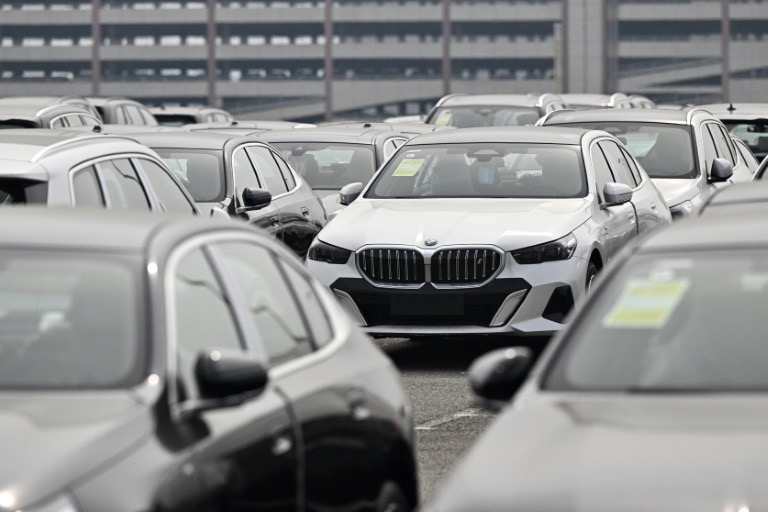
Ford dealerships across North America are growing increasingly anxious that the discontinuation of the Ford Escape could drive long-time customers into the arms of rival automakers. The compact SUV, once a cornerstone of Ford’s passenger-vehicle lineup, has played a critical role in attracting budget-conscious buyers and first-time customers. With its exit, dealers worry that Ford may struggle to retain a loyal customer base in one of the most competitive segments of the auto market.
For more than two decades, the Escape served as a dependable entry point into the Ford brand. Priced accessibly, easy to drive, and practical for families, students, and urban commuters alike, it consistently ranked among the brand’s highest-volume sellers. Many dealers describe it as a “gateway vehicle” — a model that brought customers into showrooms and kept them returning over the years for upgrades and repeat purchases.
Now, that gateway is closing.
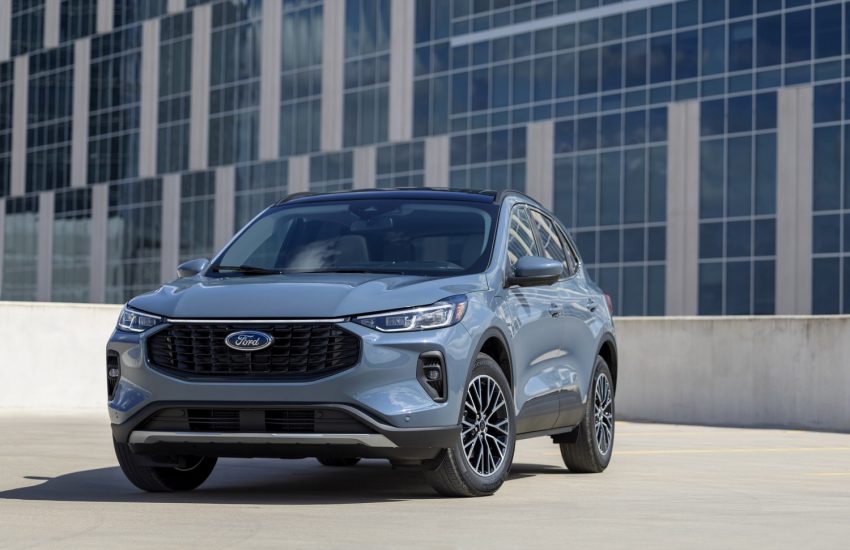
Dealers say the timing is particularly concerning. Vehicle prices across the industry have climbed sharply in recent years, pushing many buyers to seek affordable compact SUVs that balance fuel efficiency, comfort, and utility. The Escape fit that need neatly. Without it, Ford’s remaining options often sit at higher price points or target different buyer profiles, leaving a gap that competitors are eager to fill.
“Customers who bought an Escape usually want something similar when they come back,” said one dealership manager. “When we don’t have a clear replacement, they start looking at other brands.”
While Ford still offers vehicles such as the Bronco Sport and the Maverick pickup, dealers argue that neither is a direct substitute for the Escape. The Bronco Sport, though compact, carries a more rugged image and a higher average transaction price. The Maverick, despite its popularity, is a pickup — a category many Escape owners never intended to enter. As a result, sales staff often find themselves unable to present a convincing alternative within the Ford showroom.
This mismatch raises fears of customer defection. Rival automakers including Toyota, Honda, Hyundai, Kia, Mazda, and Subaru maintain strong offerings in the compact SUV space. Models such as the RAV4, CR-V, Tucson, Sportage, and CX-5 closely match the Escape in size, pricing, and everyday usability. Dealers believe many former Escape owners will naturally gravitate toward these vehicles when replacement time arrives.
Brand loyalty, once lost, can be difficult to regain. Dealers note that customers who leave for another manufacturer often build new service relationships, financing histories, and emotional connections elsewhere. That erosion of loyalty not only affects new-vehicle sales but also reduces revenue from maintenance, repairs, and future trade-ins.
Ford’s broader strategy helps explain the decision, but it does little to ease dealer concerns. The automaker has been reshaping its lineup to focus more heavily on trucks, SUVs with higher margins, and electric vehicles. As part of this transition, several traditional passenger models have been phased out, reflecting changing corporate priorities and long-term investment plans.
From a business perspective, Ford argues that it must allocate resources toward vehicles with stronger profitability and future growth potential. Electrification, advanced platforms, and next-generation manufacturing facilities are central to that vision. However, dealers say these strategic shifts often overlook the day-to-day realities of selling cars in local markets.
“Not every customer is ready for an EV or a lifestyle-branded SUV,” said another dealer. “Some people just want a reliable, affordable compact SUV. That’s where we’re losing them.”
There is also concern about younger buyers. The Escape frequently appealed to first-time car owners and young families — demographics that represent long-term value for dealerships. Losing that early relationship could mean losing customers for decades. Dealers fear that once younger buyers establish loyalty with competing brands, Ford will face an uphill battle to win them back later.
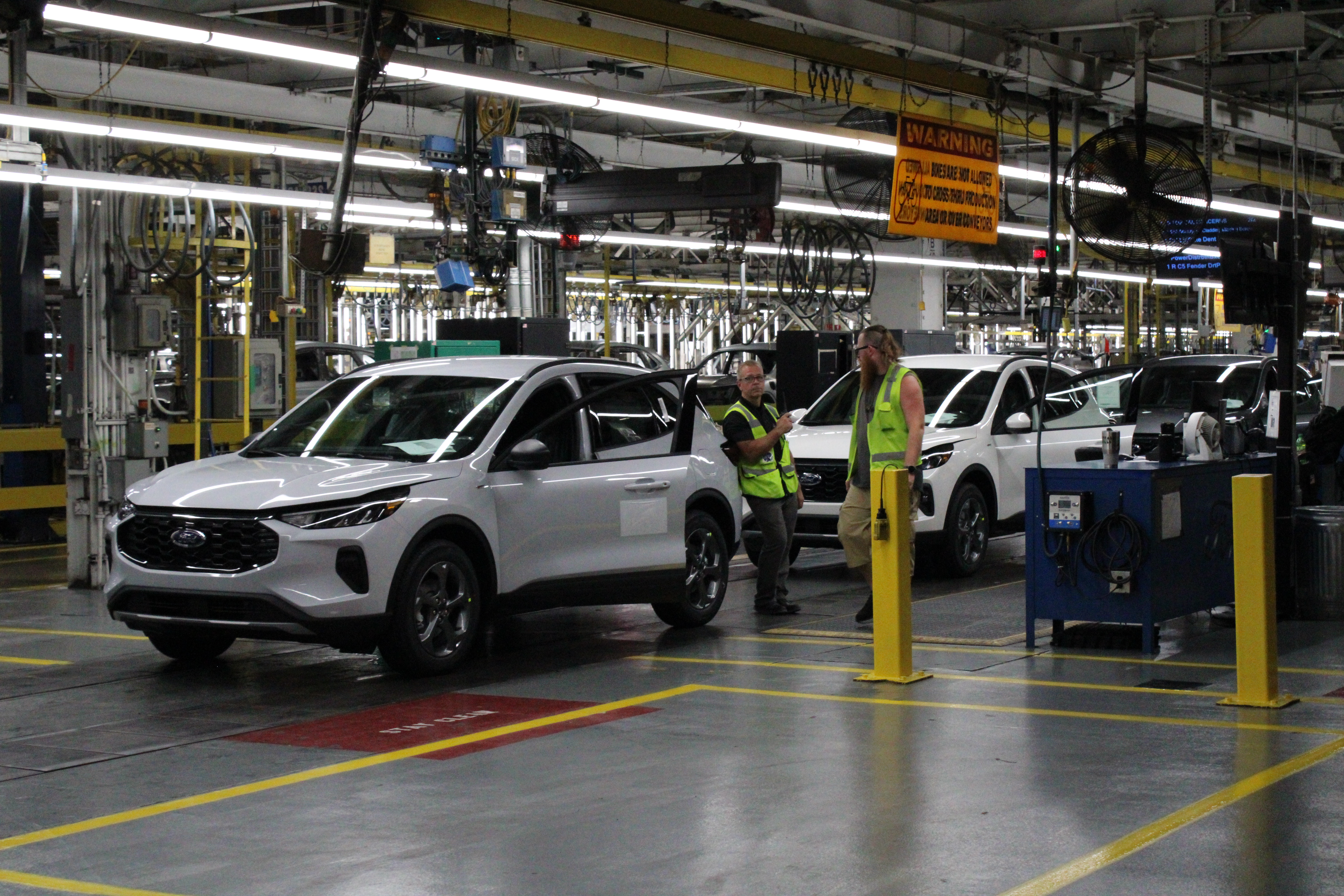
In the short term, many dealerships are attempting to soften the blow by offering incentives on remaining Escape inventory and encouraging customers to consider other Ford models. Some are emphasizing certified pre-owned Escapes as a temporary solution. Others are investing more heavily in customer outreach, hoping to maintain relationships even if buyers leave the brand.
Still, uncertainty remains about the long-term impact. Dealers say the true test will come over the next few years, as the large population of existing Escape owners begins shopping for replacements. If a significant share defects to competitors, it could signal a broader challenge for Ford’s brand positioning in the mainstream compact segment.
For now, anxiety is palpable across showrooms. The Escape may be gone, but its absence is being felt daily — in hesitant customers, difficult conversations, and missed opportunities. Dealers are left hoping that Ford’s evolving lineup will eventually provide a new entry-level success story. Until then, many fear that the road ahead could lead their once-loyal Escape customers straight to other brands.