The Consumer Electronics Show (CES) 2026 opened this week in Las Vegas, once again turning the city into the global epicenter of technological innovation. Thousands of companies, from established industry giants to early-stage startups, have gathered to present products and ideas that signal where technology is headed next. This year’s event underscores a clear theme: the future of technology is intelligent, connected, and deeply embedded in everyday life.
Spanning massive exhibition halls and venues across the city, CES 2026 reflects how the show has evolved beyond its roots as a consumer gadget showcase. While televisions, smartphones, and home appliances remain important attractions, the spotlight has shifted toward artificial intelligence, robotics, advanced computing, and smart mobility. Together, these developments illustrate how digital innovation is reshaping not just consumer electronics, but entire industries.
Artificial intelligence dominates CES 2026, appearing in nearly every product category. Unlike earlier years, when AI was often marketed as a supporting feature, this year it stands at the core of new technologies. Companies are presenting AI systems capable of learning, adapting, and operating autonomously, pointing to a future in which machines increasingly act as intelligent partners rather than passive tools.

Chipmakers and computing firms have unveiled new processors designed specifically for AI workloads, promising faster performance and greater energy efficiency. These advancements are aimed at powering everything from personal devices and cloud services to autonomous machines and vehicles. The emphasis on on-device intelligence, where AI processing happens directly on hardware rather than in distant data centers, reflects growing concerns around privacy, latency, and reliability.
Robotics has also taken center stage at CES 2026, moving beyond novelty toward practical, real-world applications. Attendees are seeing robots designed to assist with household tasks, healthcare support, and workplace automation. From agile robotic cleaners capable of navigating complex environments to interactive companions that respond emotionally to users, the range of robotic innovation highlights how quickly the field is maturing.
In the consumer space, smart home technology continues to grow more intuitive and integrated. Appliances equipped with AI can anticipate user needs, optimize energy consumption, and communicate seamlessly with other devices in the home. Refrigerators, washing machines, and kitchen systems are no longer standalone products but part of a larger intelligent ecosystem designed to simplify daily routines.
Display and entertainment technologies remain a visual highlight of the show. Manufacturers are unveiling ultra-thin televisions, foldable and rollable screens, and immersive visual experiences that push the boundaries of design and image quality. Advances in brightness, color accuracy, and refresh rates are aimed at enhancing not just entertainment, but also professional use cases such as design, gaming, and virtual collaboration.
Wearable technology at CES 2026 reflects a growing focus on health and personalization. Smartwatches, rings, and other wearable devices are incorporating advanced sensors and AI-driven analytics to provide deeper insights into physical and mental well-being. These products are increasingly positioned as long-term health companions rather than simple fitness trackers, signaling a broader shift toward preventive and personalized healthcare.
Mobility and transportation innovations form another major pillar of the show. Electric vehicles, autonomous driving systems, and connected mobility platforms are on display, highlighting how technology is transforming how people and goods move. Automakers and technology firms are presenting concepts that blend software, sensors, and AI to enhance safety, efficiency, and user experience. The focus extends beyond individual vehicles to entire mobility ecosystems, including smart infrastructure and integrated transport networks.
CES 2026 also serves as a launchpad for startups and emerging technologies. Dedicated spaces showcase early-stage innovations that may shape future markets, from sustainable materials and clean energy solutions to next-generation communication systems. For many startups, CES offers a rare opportunity to gain global visibility and connect with investors, partners, and potential customers.
Beyond products, the event features keynotes, panels, and discussions that address the broader implications of technological progress. Industry leaders are engaging in conversations about ethical AI, data privacy, sustainability, and the social impact of automation. These discussions reflect a growing recognition that technological advancement must be balanced with responsibility and inclusivity.
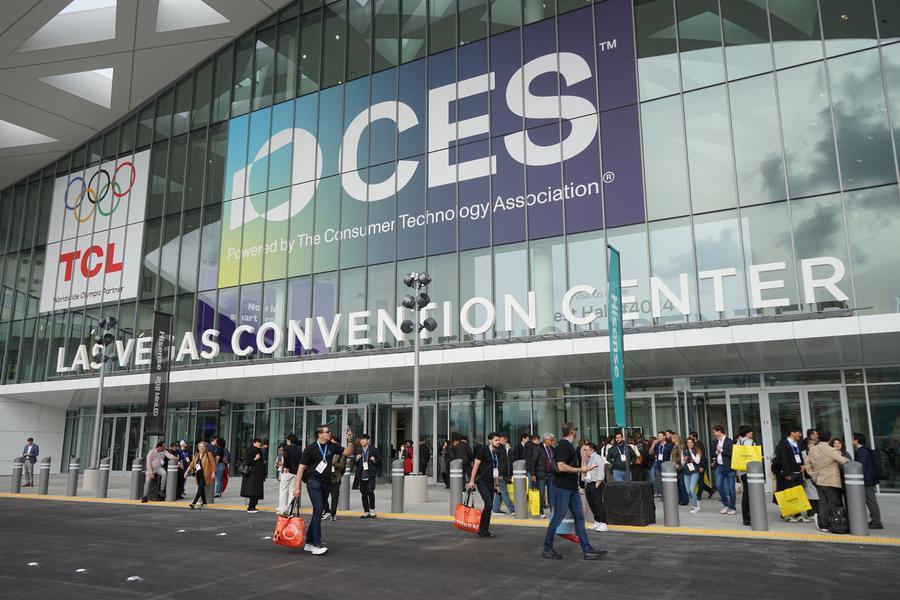
As CES 2026 unfolds, the overarching message is one of acceleration. The technologies on display suggest that innovation cycles are shortening, and ideas that once seemed futuristic are rapidly becoming mainstream. From intelligent machines and immersive displays to connected mobility and personalized health tech, CES 2026 offers a glimpse into a world where technology is more adaptive, more autonomous, and more deeply woven into everyday life.
For industry watchers and consumers alike, CES 2026 is not just a showcase of new products—it is a preview of the technological landscape that will shape how people live, work, and connect in the years ahead.