In a surprising turn of events, Ring, the Amazon-owned smart home security company, has officially canceled its planned partnership with Flock Safety, a surveillance technology provider, after facing widespread criticism over privacy and civil liberties concerns. The partnership, initially announced as a way to enhance Ring’s Community Requests program, drew swift backlash from privacy advocates, lawmakers, and users, ultimately leading the company to reconsider its plans.
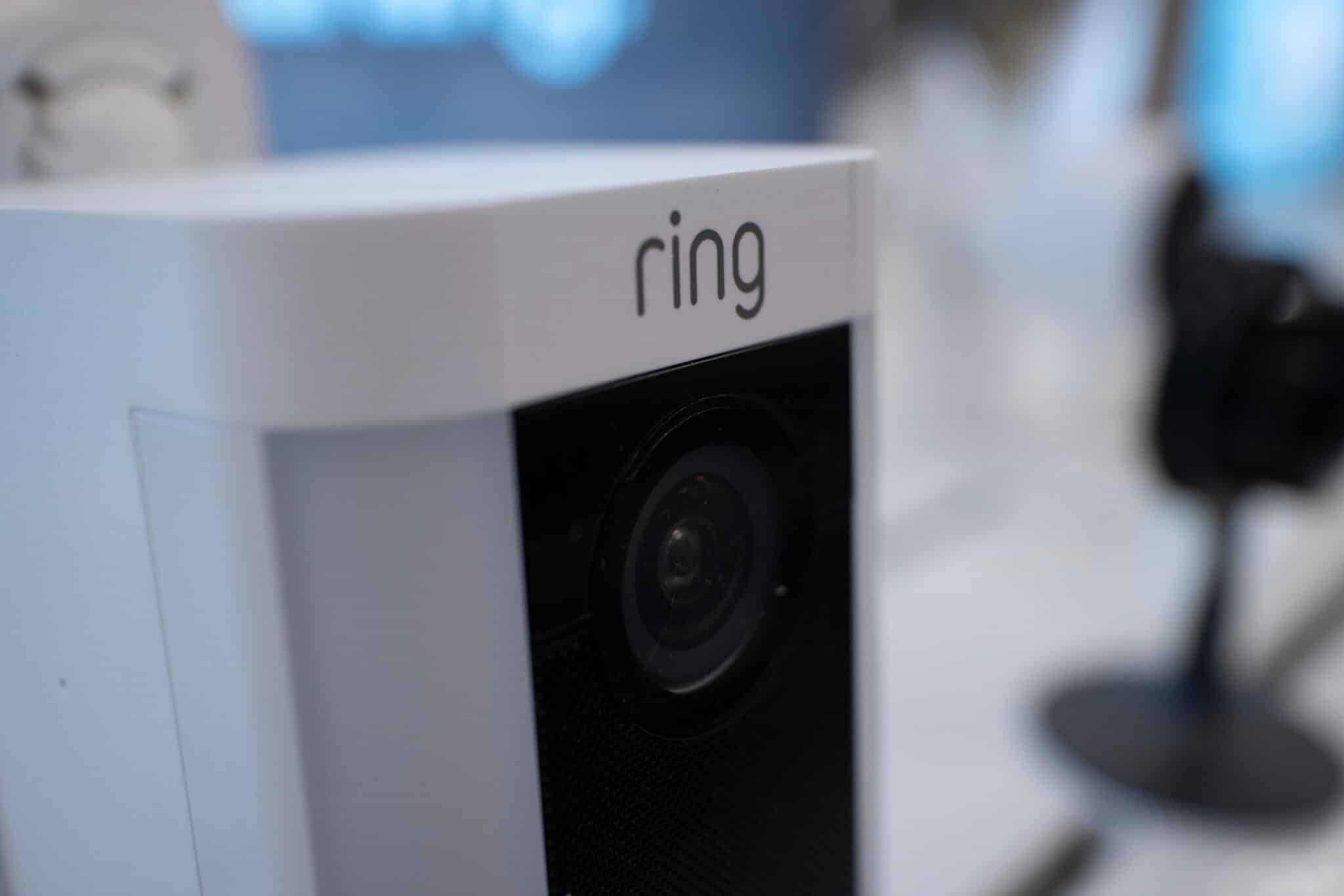
Ring’s Community Requests program allows law enforcement agencies to request video footage from Ring users voluntarily, with the goal of assisting investigations in local neighborhoods. The proposed integration with Flock Safety was intended to streamline the process for agencies that already use Flock’s network of license plate readers and cameras. By connecting Ring’s cameras with Flock’s technology, the companies aimed to provide a faster and more efficient tool for police to gather information during investigations. However, the potential implications for user privacy quickly became a major point of contention.
Critics argued that combining Ring’s network of private cameras with Flock’s public-facing surveillance systems could create a quasi-mass surveillance infrastructure. Privacy experts and civil rights organizations warned that such a system might allow law enforcement agencies to monitor communities in ways that exceed what is legally and ethically acceptable. Concerns intensified after speculation arose that federal agencies could gain indirect access to the integrated system, raising questions about data security, oversight, and accountability.

The backlash from the public was immediate. Many Ring users expressed discomfort at the idea that their private cameras could be linked to broader law enforcement systems. Online forums, social media, and advocacy groups saw an outpouring of criticism, highlighting fears that voluntary participation could gradually evolve into coercive pressure on communities to share footage. Lawmakers, too, voiced concern, with several calling for stricter oversight of partnerships between tech companies and police. The intensity of the response made it clear that users were unwilling to accept integrations that risked turning their neighborhood security tools into instruments of surveillance.
In response to the mounting criticism, Ring emphasized that the integration with Flock Safety had never gone live. The company confirmed that no user videos had been shared with Flock and that the decision to cancel the partnership was mutual. Ring also noted that the integration would have required significant time and resources to implement, but it became clear that public trust and the potential reputational risks played a critical role in the decision to withdraw. The company expressed its commitment to maintaining user confidence and ensuring that participation in its Community Requests program remains entirely voluntary.
Flock Safety, meanwhile, described the cancellation as a joint decision following discussions with Ring. The company stressed that it remains focused on developing technology that aligns with community expectations and regulatory standards, highlighting its commitment to transparency and responsible deployment of surveillance tools. Both companies framed the decision not as a failure but as a step toward maintaining public trust in the technology and safeguarding privacy.
The episode underscores the delicate balance companies must strike when offering technologies that intersect with law enforcement. While security solutions like Ring cameras and Flock Safety’s systems offer clear benefits for crime prevention and investigation, they also raise difficult questions about civil liberties, consent, and the scope of surveillance. Experts note that public sentiment increasingly influences technology partnerships, with companies now needing to consider ethical and social implications alongside technical feasibility.
For Ring, the cancellation represents both a setback and a learning opportunity. The company continues to expand its Community Requests program, allowing users to share footage on a case-by-case basis if they choose to do so. Ring officials have reiterated that they remain committed to neighborhood safety and security, but they are also attentive to the boundaries of user consent and privacy expectations. Moving forward, the company is likely to approach potential partnerships with a heightened awareness of public perception, understanding that transparency and accountability are essential to maintaining trust.
Observers also note that the incident may have broader implications for the surveillance technology sector. As tech companies increasingly collaborate with law enforcement, the need for clear policies, community input, and oversight becomes more critical. The public backlash against the Ring-Flock partnership serves as a cautionary tale, demonstrating that even well-intentioned innovations can face resistance if users feel their privacy is threatened. Companies developing security technologies are likely to pay closer attention to these dynamics, ensuring that deployments respect both legal frameworks and community expectations.
Ultimately, the cancellation of the Ring-Flock partnership highlights the evolving relationship between technology, law enforcement, and society. As tools for security and surveillance become more advanced, companies must navigate a complex landscape of ethical concerns, public trust, and legal scrutiny. The decision reflects a recognition that community acceptance is as important as technological capability. For consumers, it is a reminder that vigilance over privacy and transparency remains vital, even as the devices in their homes promise convenience and safety.
While the integration will no longer move forward, both Ring and Flock Safety remain key players in the smart security sector. Their future strategies will likely emphasize voluntary participation, clearer communication with users, and careful consideration of public concerns. In doing so, they aim to balance innovation with responsibility, ensuring that the benefits of technology do not come at the expense of individual privacy or civil liberties.
At a time when surveillance and data privacy dominate public discourse, the episode serves as a prominent example of how companies can respond to backlash and realign their strategies to reflect community expectations. It also signals that consumers, advocacy groups, and lawmakers are prepared to hold tech companies accountable, reinforcing the idea that ethical considerations must be integral to the development and deployment of security technologies.