


Microsoft, Ericsson Lead Global Tech Alliance for Digital Trust
Microsoft and Ericsson have joined forces to spearhead a new global initiative aimed at strengthening digital trust across borders. Announced on the sidelines of the Munich Security Conference, the coalition — known as the Trusted Tech Alliance — brings together major technology firms to promote transparency, security and responsible innovation in the digital ecosystem.
The alliance emerges at a time of growing geopolitical tensions and rising concerns around data sovereignty, cybersecurity threats and the governance of emerging technologies such as artificial intelligence and cloud computing. By establishing a shared framework of principles, the founding members aim to create consistent standards for trusted technology development and deployment worldwide.
According to the companies, the alliance will focus on five core areas: transparent corporate governance, secure product development, resilient supply chains, open and interoperable digital ecosystems, and strict adherence to the rule of law and data protection norms. The group intends to work collaboratively with governments, regulators and civil society to ensure that trust remains central to technological progress.
Executives from both Microsoft and Ericsson emphasized that no single nation or company can tackle today’s digital challenges alone. Instead, cross-industry collaboration is essential to safeguard infrastructure, protect user data and foster innovation without fragmenting the global internet.
Industry observers view the move as a proactive step by leading technology players to shape global norms before regulatory divides deepen. As artificial intelligence, 5G and cloud infrastructure continue to expand rapidly, the Trusted Tech Alliance seeks to position itself as a stabilizing force — reinforcing confidence in the systems that power modern economies.
The initiative signals a broader shift toward collective responsibility in the technology sector, as companies work together to define what digital trust means in an increasingly interconnected world.
AI Film School Trains Next Generation of Hollywood Moviemakers
A new AI-powered film school is aiming to redefine how future directors, writers and producers are trained for the entertainment industry. Launched in the heart of Hollywood, the initiative blends traditional filmmaking fundamentals with cutting-edge artificial intelligence tools, preparing students for a rapidly evolving cinematic landscape.
The program integrates AI into every stage of the creative process. Students learn how to use generative AI for script development, storyboarding and character design, while also mastering classic disciplines such as cinematography, editing and production management. AI-driven software helps simulate camera angles, lighting setups and even audience reactions, allowing aspiring filmmakers to test ideas before stepping onto a set.
Founders of the school say the goal is not to replace human creativity but to enhance it. By automating repetitive technical tasks and offering data-driven insights, AI enables students to focus more on storytelling and artistic vision. Instructors emphasize that technology should serve as a collaborator, not a substitute for imagination.

The curriculum also addresses the ethical challenges posed by AI in filmmaking. Courses cover intellectual property rights, responsible use of synthetic media and transparency when AI-generated elements are incorporated into projects. Industry professionals regularly lead workshops, offering students practical insights into how studios are adopting AI tools in real-world productions.
Supporters believe the school could democratize access to filmmaking by lowering production costs and expanding opportunities for emerging talent. Scholarships and mentorship programs aim to ensure diverse voices are represented in the next wave of Hollywood creators.
As artificial intelligence continues to reshape industries worldwide, this AI film school positions itself at the forefront of cinematic education — equipping a new generation with the skills to tell compelling stories in a technology-driven era.
SpaceX’s Starlink Gets Nod for Satellite Internet in Vietnam
SpaceX has received regulatory approval to roll out its satellite internet service, Starlink, in Vietnam, marking a key step in the country’s digital expansion strategy.
The approval allows Starlink to provide satellite-based broadband services nationwide, including in rural, mountainous and island regions where traditional fiber networks are harder to deploy. Operating through a constellation of low-Earth-orbit satellites, Starlink delivers high-speed internet with lower latency than older satellite systems, offering an alternative to conventional telecom infrastructure.
Vietnam has been accelerating efforts to modernize its digital economy, with internet connectivity playing a central role in supporting e-commerce, digital payments, education and remote work. While major urban centers enjoy strong broadband coverage, gaps remain in remote areas. Satellite internet is seen as a potential solution to bridge this divide and improve nationwide access.

Industry observers say the entry of Starlink could introduce fresh competition into Vietnam’s telecommunications market, traditionally dominated by domestic providers relying on fiber-optic and mobile networks. Satellite connectivity may appeal particularly to businesses in remote industrial zones, tourism operators in coastal regions, and public services in underserved districts.
Regulatory compliance will remain critical as SpaceX begins operations. The company is expected to adhere to local telecommunications laws, spectrum usage rules and cybersecurity standards.
For consumers and enterprises alike, the arrival of Starlink signals expanded connectivity options. As Vietnam continues its push toward digital transformation, satellite broadband could become an important complement to existing infrastructure — strengthening resilience, expanding coverage and supporting long-term economic growth in an increasingly connected world.
SpaceX Considering Dual-Class Shares in IPO, Bloomberg News Reports
SpaceX is reportedly considering adopting a dual-class share structure as part of its anticipated initial public offering (IPO), a move that could allow founder and CEO Elon Musk to retain significant control over the company after it goes public.
Under a dual-class structure, companies issue two types of shares with different voting rights. Typically, insiders and founders receive shares with enhanced voting power, while public investors receive shares with standard voting rights. This setup enables leadership to maintain strategic control even if their ownership stake decreases following the IPO.
The potential move reflects a broader trend among high-growth technology firms that seek to protect long-term vision from short-term market pressures. Proponents argue that such structures allow founders to pursue ambitious, capital-intensive projects without facing immediate shareholder activism. Critics, however, contend that dual-class systems can limit accountability and reduce the influence of minority investors.
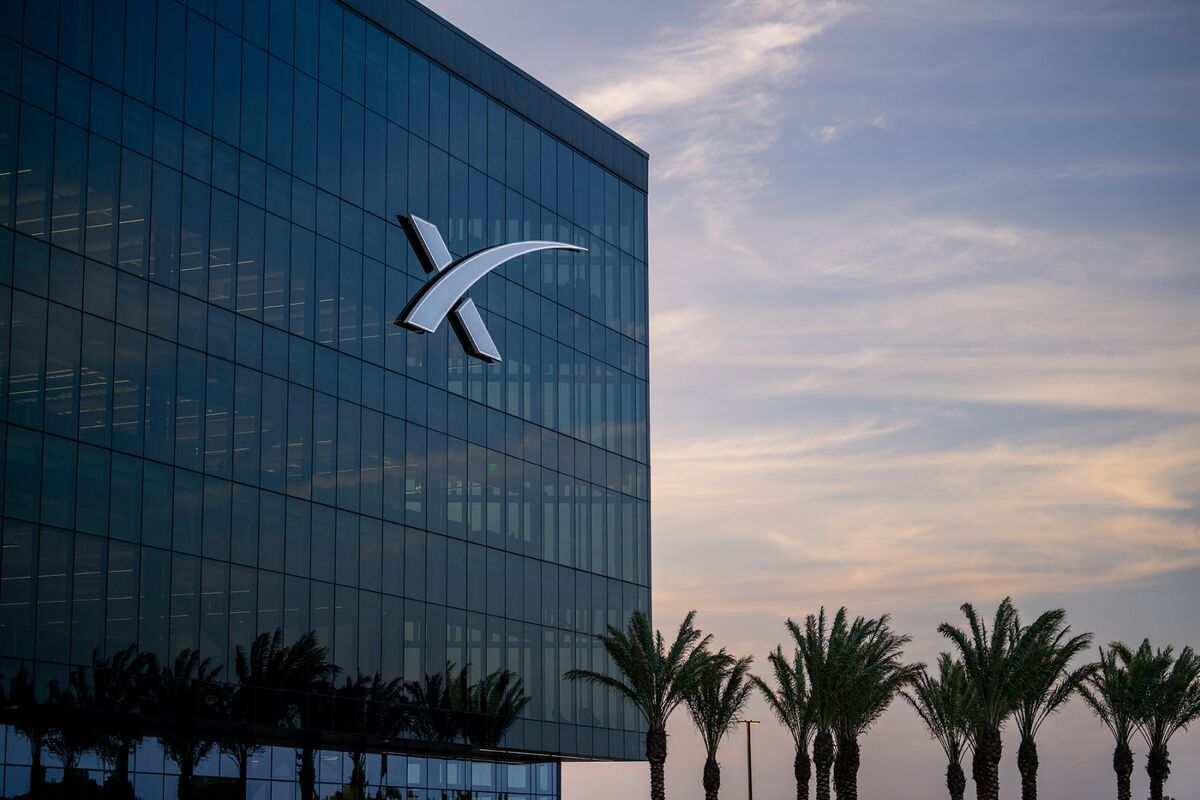
SpaceX, known for its achievements in reusable rockets, satellite launches and its expanding satellite internet venture, has long been viewed as one of the most anticipated IPO candidates in the global market. A public listing could raise substantial capital to support its deep-space exploration ambitions and further expansion of its commercial satellite network.
Details regarding the timing, valuation and final share structure of the IPO remain under discussion and could change. The company has not publicly confirmed the specifics of its plans.
If implemented, the dual-class approach would likely ensure that Musk retains decisive influence over corporate governance, even as SpaceX transitions into a publicly traded company — a move that could shape one of the most closely watched market debuts in recent years.






