Shares of electric vehicle manufacturer Ola Electric Mobility plunged to a record low of ₹28.73 on Monday following the release of its third-quarter financial results, which revealed a sharp decline in revenue and continued losses. The steep fall marks a major setback for the Bengaluru-based company, once seen as a leading force in India’s rapidly expanding electric two-wheeler market.
The stock fell significantly during early trading hours on both the National Stock Exchange of India and the Bombay Stock Exchange, reflecting strong investor concerns about the company’s slowing growth trajectory and uncertain path to profitability. The fall to ₹28.73 represents the lowest level since the company’s public listing, highlighting the severity of the current market sentiment.
Revenue Decline and Persistent Losses
The company reported a sharp drop in revenue for the October–December quarter, driven primarily by lower vehicle deliveries and softer demand in the electric scooter segment. Revenue fell substantially compared to the same period last year, underscoring the challenges Ola Electric faces in maintaining its earlier pace of expansion.
Despite efforts to control costs and improve operational efficiency, the company continued to report a significant net loss for the quarter. While the loss narrowed compared to the previous year on an annual basis, it widened sequentially from the prior quarter, indicating ongoing financial strain.
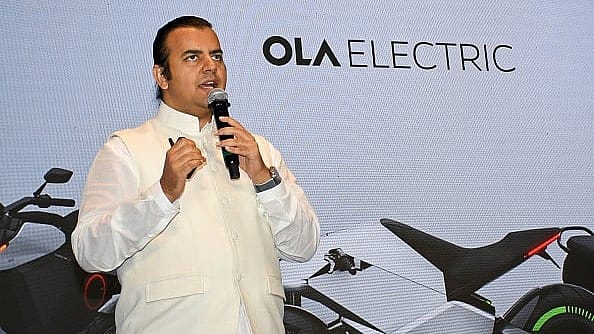
The decline in vehicle deliveries played a major role in weakening the company’s financial performance. Lower volumes directly impacted revenue generation, and investors reacted negatively to the slowdown, especially given the company’s earlier projections of sustained high growth.
Investor Confidence Takes a Hit
Market participants responded swiftly to the disappointing results, triggering heavy selling pressure on the stock. Investors appear increasingly concerned about the company’s ability to achieve profitability in the near future, especially amid rising competition and evolving market dynamics.
The stock has now fallen sharply from its earlier highs following its initial public offering, eroding a large portion of shareholder value. The decline reflects a broader shift in investor expectations, as markets demand clearer signs of sustainable growth and financial stability.
Analysts have pointed out that while the electric vehicle sector in India continues to grow, individual companies must demonstrate strong execution, consistent sales performance, and effective cost management to maintain investor confidence. Ola Electric’s recent results suggest that it is still navigating a difficult transition phase.
Competitive Pressure Intensifies
The company is facing increasing competition from both established automotive manufacturers and emerging electric vehicle startups. Several competitors have introduced new models, expanded dealership networks, and strengthened after-sales service capabilities, intensifying pressure on Ola Electric’s market position.
In addition, customers are becoming more selective, focusing on product reliability, service quality, and overall ownership experience. Any challenges in these areas can directly affect sales volumes and brand perception.
Industry observers note that competition in the electric two-wheeler segment has intensified significantly over the past year, making it harder for early market leaders to maintain dominance. This shift has forced companies to rethink their strategies, improve operational efficiency, and strengthen customer engagement.
Company Focuses on Cost Efficiency and Long-Term Growth
Despite the challenging quarter, Ola Electric’s leadership remains focused on long-term growth and operational improvement. The company has invested heavily in manufacturing infrastructure, battery technology, and supply chain capabilities, aiming to build a strong foundation for future expansion.
Founder and CEO Bhavish Aggarwal has previously emphasized the company’s commitment to scaling production, improving product quality, and advancing electric mobility adoption across India. Management has also indicated that major capital investments are nearing completion, which could help improve financial performance over time.
The company is expected to focus on increasing sales volumes, enhancing customer service, and optimizing operational costs in the coming quarters. These measures will be crucial in restoring investor confidence and stabilizing its financial position.
Broader Market and Sector Implications
The sharp decline in Ola Electric’s share price highlights the volatility and risks associated with emerging technology-driven sectors such as electric mobility. While the long-term outlook for electric vehicles in India remains positive due to government support, rising fuel costs, and environmental concerns, companies must navigate short-term operational and financial challenges.
The current situation also reflects a broader trend in financial markets, where investors are increasingly cautious about high-growth companies that have yet to achieve profitability. Market participants are now prioritizing financial discipline, sustainable growth, and clear profitability timelines.
Outlook Remains Uncertain
The coming quarters will be critical for Ola Electric as it seeks to reverse the current trend and rebuild investor trust. The company’s ability to increase vehicle deliveries, improve margins, and demonstrate consistent revenue growth will play a key role in determining its future performance.

For now, the fall to ₹28.73 marks a significant turning point for the company. Once regarded as one of the most promising electric vehicle startups in India, Ola Electric now faces the challenge of proving its resilience in a competitive and evolving market.
Investors, analysts, and industry observers will be closely watching the company’s next moves, as it works to stabilize operations and regain momentum in India’s fast-growing electric mobility landscape.