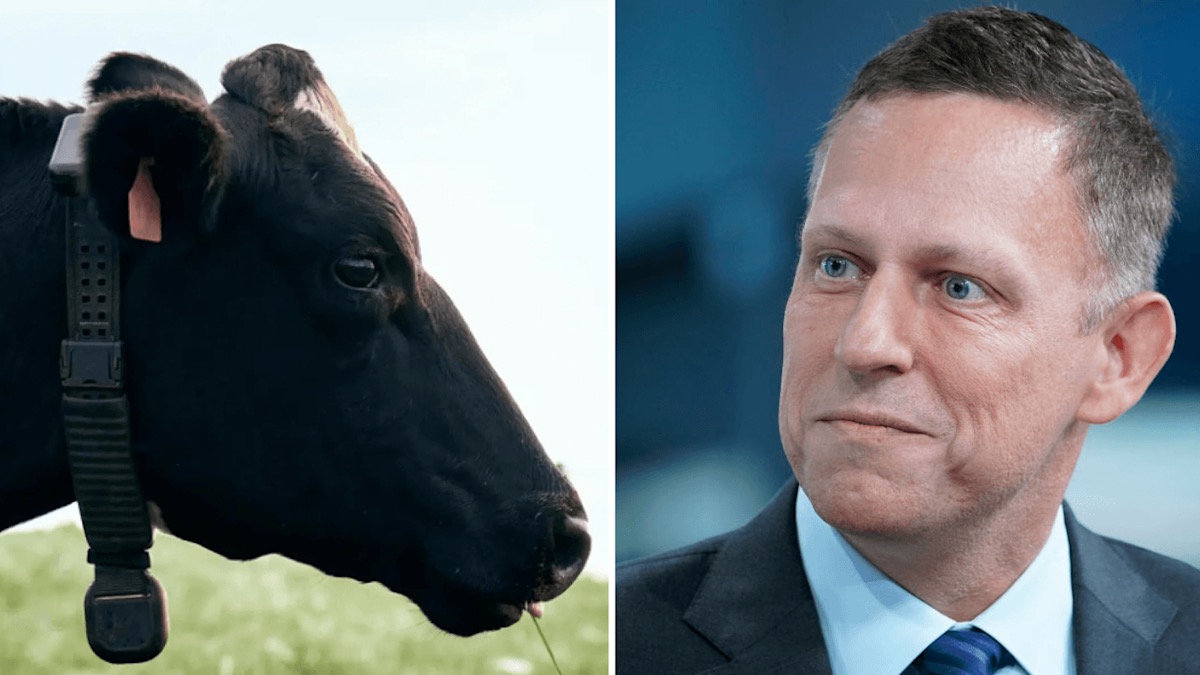
In a landmark moment for agricultural technology, New Zealand-based startup Halter has raised fresh capital at a $2 billion valuation, cementing its position as one of the most valuable players in the rapidly evolving agri-tech sector. The funding round, led by Founders Fund, highlights a growing appetite among investors for startups that apply artificial intelligence to transform traditional industries.
Halter has emerged as a pioneer in livestock management through its innovative use of GPS-enabled smart collars and a proprietary AI platform known as the “Cowgorithm.” Designed to automate cattle movement and monitor livestock health, the system is reshaping how farmers interact with and manage their herds.
The company’s technology addresses a long-standing challenge in agriculture: the need for efficient, scalable, and less labor-intensive livestock management. Traditionally, farmers have relied on manual herding, fencing, and physical observation to manage cattle. These methods, while effective, are time-consuming, labor-intensive, and often imprecise. Halter’s solution introduces a digital alternative that replaces guesswork with data-driven decision-making.
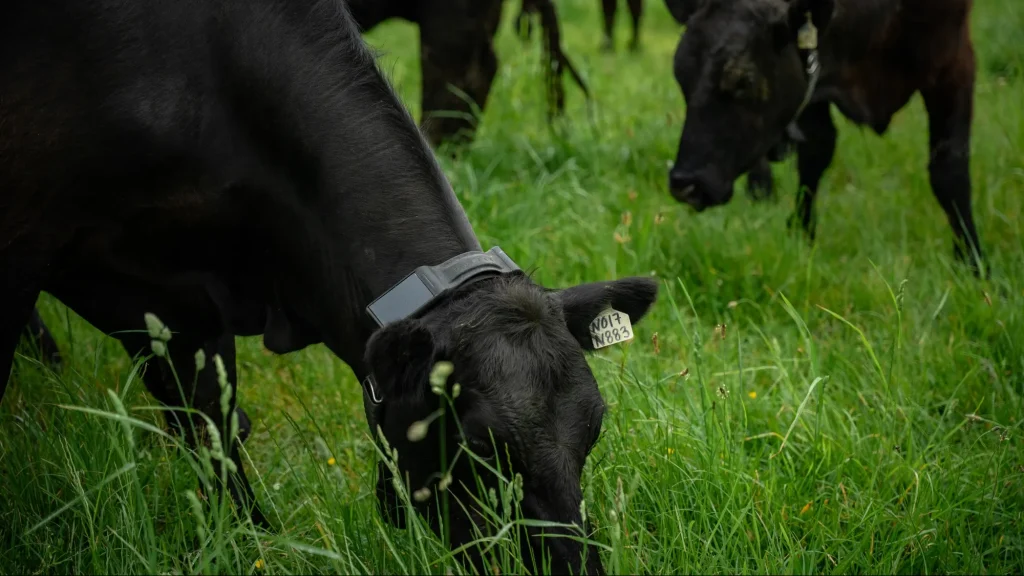
Each cow fitted with a Halter collar becomes part of a connected ecosystem. The device uses GPS tracking, along with sound cues and gentle vibrations, to guide cattle across pastures. Farmers can create virtual boundaries, move herds, and adjust grazing patterns remotely through a mobile app or desktop interface. This eliminates the need for physical fences and reduces the amount of manual labor required on farms.
At the heart of the system is the “Cowgorithm,” which processes vast amounts of data collected from individual animals. By analyzing movement, grazing habits, and behavioral patterns, the platform provides insights into each cow’s health and productivity. Early detection of illnesses, improved breeding management, and optimized feeding strategies are among the key benefits farmers can derive from the technology.
The involvement of Founders Fund, co-founded by Peter Thiel, underscores the broader significance of Halter’s approach. Known for backing companies that challenge conventional industries, the firm’s investment signals confidence in the potential of AI-driven agriculture to disrupt global food systems. As climate pressures intensify and the demand for sustainable farming grows, solutions like Halter’s are becoming increasingly relevant.
Halter’s $2 billion valuation also reflects a shift in how technology investors view agriculture. Once considered a slow-moving sector, farming is now being recognized as ripe for innovation. Advances in artificial intelligence, Internet of Things (IoT) devices, and data analytics are enabling startups to bring unprecedented efficiency and precision to agricultural operations.
Beyond improving productivity, Halter’s system offers environmental advantages. By enabling controlled grazing, farmers can prevent overuse of land, promote healthier soil, and reduce environmental degradation. Optimized grazing patterns can also contribute to lowering methane emissions per unit of livestock output, aligning with global efforts to make agriculture more sustainable.
Animal welfare is another area where Halter’s technology is making an impact. Continuous monitoring ensures that farmers are alerted to potential health issues early, allowing for timely intervention. The automated movement system reduces stress on animals compared to traditional herding methods, creating a more stable and humane environment for livestock.
Farmers who have adopted Halter’s system report significant improvements in efficiency. Labor costs are reduced, herd management becomes more precise, and overall productivity increases. In regions facing acute labor shortages, such automation can be particularly valuable, enabling farms to operate effectively with smaller workforces.
The fresh funding is expected to accelerate Halter’s global expansion. While the company has already established a strong presence in New Zealand, it is now setting its sights on major agricultural markets such as the United States, Australia, and Europe. Scaling production of its smart collars and enhancing its AI capabilities are likely to be key priorities as it seeks to meet growing demand.
Halter’s rise also reflects a broader transformation within the agricultural landscape. As technology becomes more deeply integrated into farming practices, the role of farmers is evolving from manual laborers to data-driven decision-makers. Tools like Halter’s platform empower farmers with real-time insights, enabling them to make informed choices that improve both efficiency and sustainability.
Looking ahead, the company’s success could pave the way for further innovation in livestock and crop management. The integration of AI into agriculture is still in its early stages, but its potential is vast. From precision irrigation to automated harvesting, the future of farming is increasingly being shaped by technology.
With strong backing from Founders Fund and a rapidly growing user base, Halter is well-positioned to lead this transformation. Its combination of hardware and software innovation represents a new model for agriculture—one that is smarter, more sustainable, and more efficient.
As global food systems face mounting challenges, the emergence of companies like Halter offers a glimpse into how technology can help meet the demands of a changing world. The $2 billion valuation is not just a milestone for the company, but a signal that the future of farming is becoming increasingly digital.